Featured
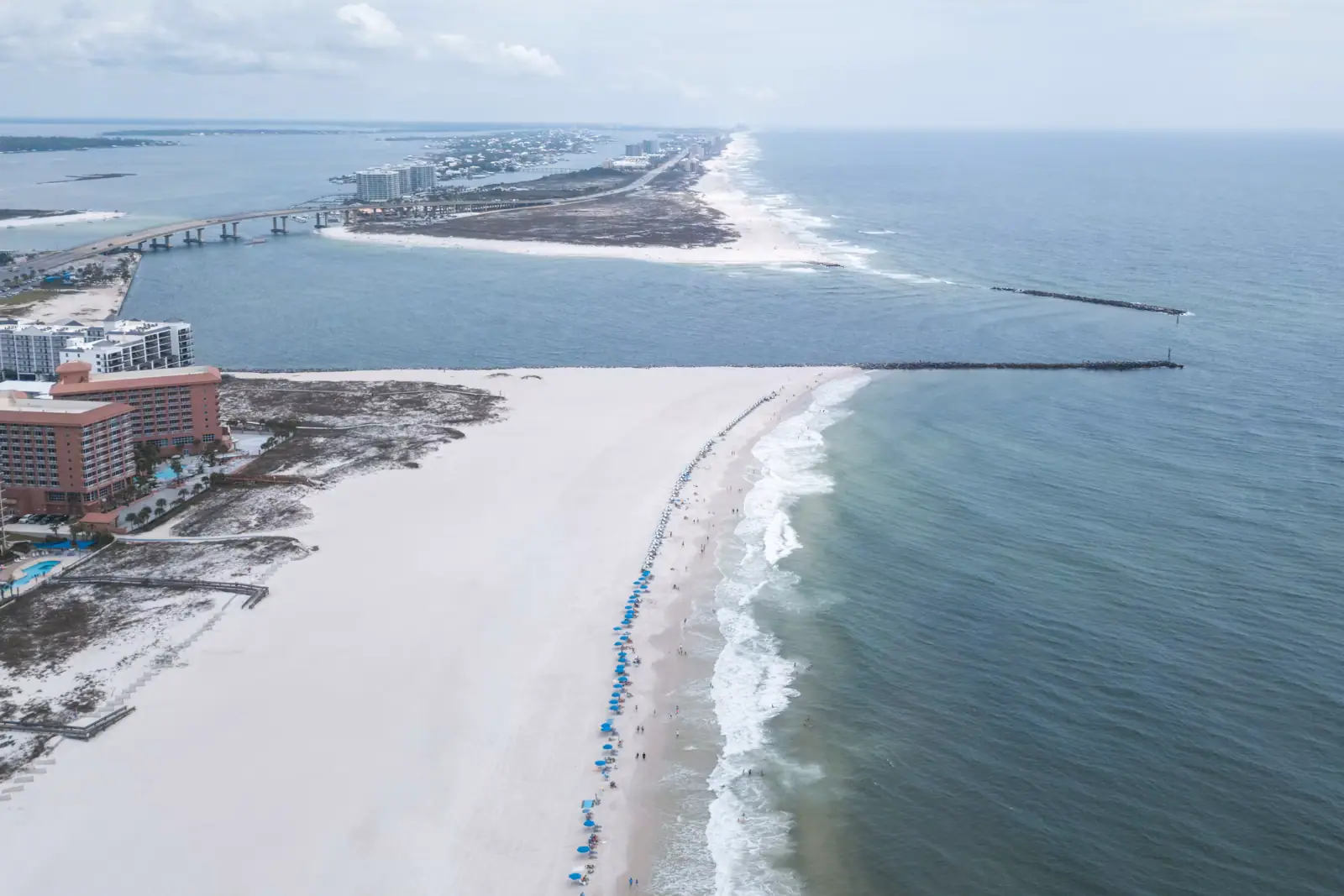
Travel alertBeach Parking in Gulf Shores Is Now Charged by the Hour
The flat day rate is gone. Since the first of July, the city charges by the hour at its public beach parking areas, which changes the arithmetic of a long beach day.
Travel alert
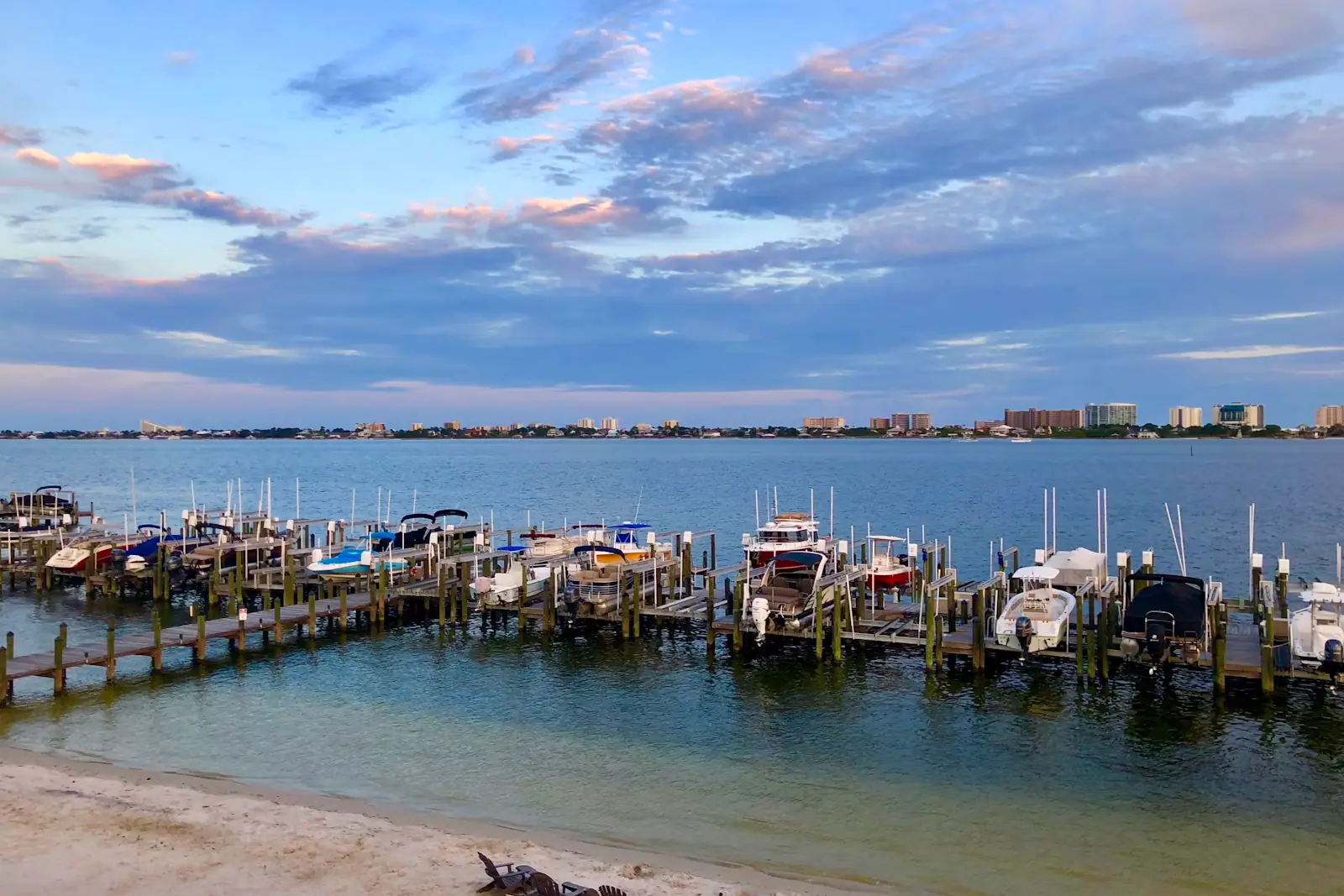
Two boats, one crossing, and a service that halts in a stiff wind. The ferry is one of the best half-days on the Alabama coast and the one most often ruined by not checking first.
The Mobile Bay Ferry carries vehicles and foot passengers across the mouth of Mobile Bay between Fort Morgan, at the western end of the Gulf Shores peninsula, and Dauphin Island. Two vessels work the route, the Fort Morgan and the Marissa Mae Nicole, with at least one operating year-round and both running through the busy summer months.
Departures from the Fort Morgan side have typically begun around eight in the morning and run at roughly ninety-minute intervals into the early evening, with the Dauphin Island side starting about three quarters of an hour later.
The service stops in weather. Sailings are suspended when winds exceed about thirty-five miles an hour or seas run above six feet, which on this coast is an ordinary winter day and a plausible one in any season. The crossing has also been out of service for extended periods in the past for reasons unconnected to the weather.
So the instruction is simple and it is not optional: check on the morning you intend to travel, through the operator's own channels, before you drive twenty-two miles down Highway 180 to the terminal.
The fort, the beaches and the birding at the end of the peninsula are worth the drive whether or not the boat runs. Treat the crossing as a bonus and the day survives either outcome.
If you do cross, consider going both ways rather than looping. A one-way plan that depends on a return sailing leaves you facing a long drive round through Mobile if the afternoon weather turns.
Dauphin Island is quieter and lower-rise than the Alabama beach strip. Fort Gaines at its eastern end is the other half of the 1864 Battle of Mobile Bay story — the two forts faced each other across the channel your ferry is crossing, which is the only way that history makes geographic sense. The island's bird sanctuary is a well-known migration stopover, and the Sea Lab's public aquarium covers the estuary and the Gulf.
Fares are charged separately for vehicles and foot passengers and are set by the operator. Confirm current rates and the day's sailing times before you set out.
SourcingSummarised from the Mobile Bay Ferry operator's published service information, including the two vessels working the route, the approximate ninety-minute departure pattern and the wind and sea thresholds at which sailings are suspended. Schedules, fares and service status change frequently and the route has been suspended for extended periods before; confirm with the operator on the day you intend to travel.
Plan around it
The pages that carry the practical detail behind this story — hours, costs, access and where it sits on Gulf Shores.
Things to do
How to reach Gulf Shores and move around it: three roads, two parking systems, the Mobile Bay Ferry, airport drive times and why Saturday…
Things to do
Every attraction in Gulf Shores and Orange Beach, sorted by what it actually is: the state park, Fort Morgan, Bon Secour, the zoo, The…
Things to do
What to actually do in Gulf Shores across a seven-day rental week: the beach, Gulf State Park, Fort Morgan, Orange Beach, costs and the…
Things to do
Where to find wildlife around Gulf Shores: Bon Secour refuge, the endangered Alabama beach mouse, spring bird fallouts at Fort Morgan and…
Newsroom
The flat day rate is gone. Since the first of July, the city charges by the hour at its public beach parking areas, which changes the arithmetic of a long beach day.
Who reported this
Outdoors & Fishing Editor
Dale has fished the Alabama Point jetties since he was old enough to carry a rod and spent four seasons working seasonal jobs in the state park before he started writing about it. He covers the park, the back bays and anything with a hook in it, and he will tell you the pier is not biting rather than sell you a ticket. He checks the park's own notices before anybody's brochure.
Our newsroom is machine-assisted and human-edited: stories are drafted from verified public sources and checked before they publish. How that works is set out in our editorial standards.