Free
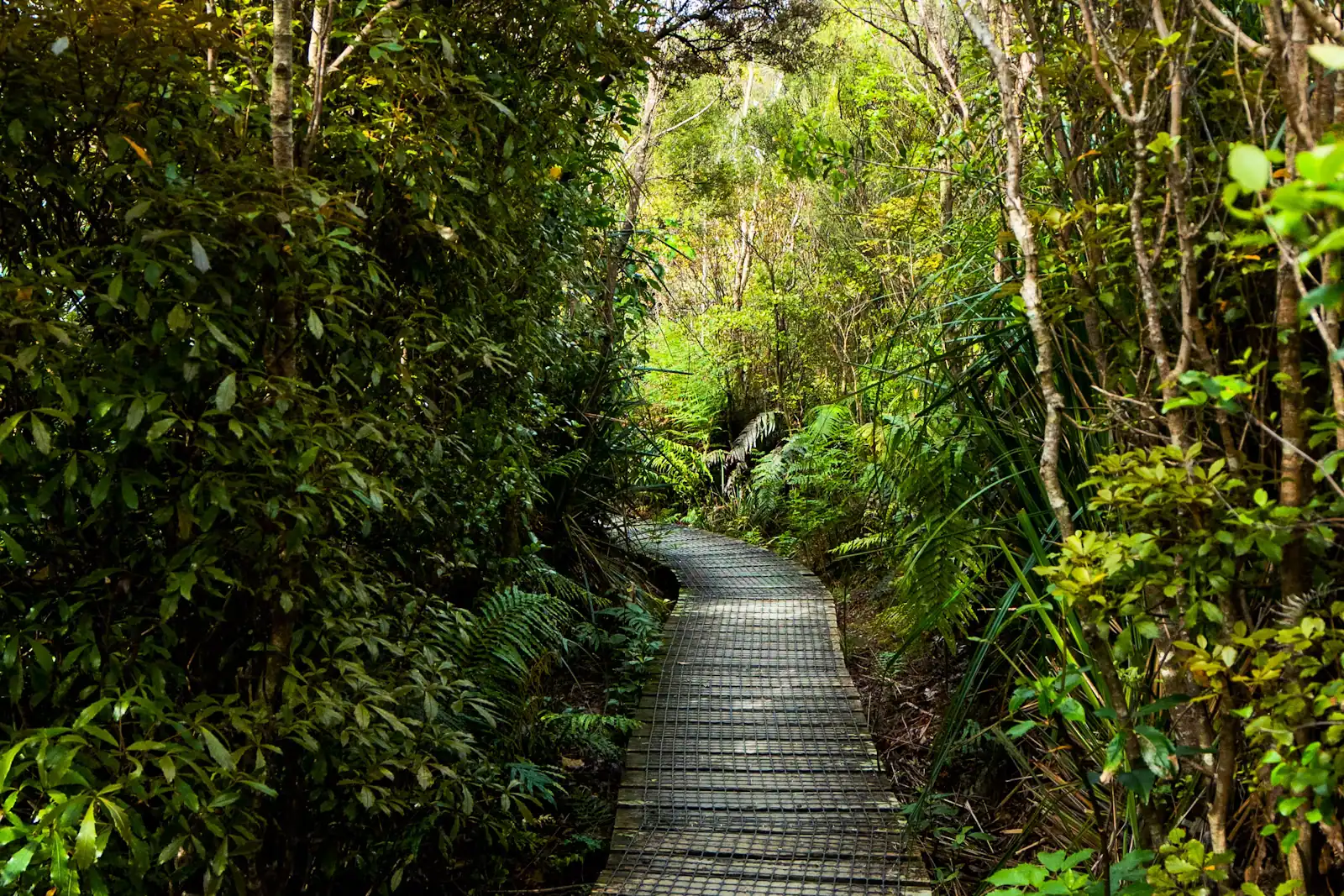
TrailHugh S. Branyon Backcountry Trail
More than 28 miles of paved trail through swamp, pine ridge and dune, ridden by road bikes, wheelchairs and three-year-olds alike.
1–5 hoursFree. There is no charge to use any part of the trail network.
Things to Do
The beach is free in Gulf Shores; parking beside it is not. How to have a cheap week here, plus the trails, refuge and museums that cost nothing at all.
The beach in Gulf Shores costs nothing. Standing next to it in a car costs money, and that single distinction is what decides whether a week here is cheap or expensive.
Two separate authorities charge for beach parking on this coast and they do it in different ways. The City of Gulf Shores runs its public accesses on an hourly meter, having moved off a flat daily rate in mid-2026, with recent rates around two dollars an hour north of Beach Boulevard and three dollars an hour south of it, paid through an app, enforced from March through November. Gulf State Park runs a completely separate set of beach lots at the Pier, the Beach Pavilion, Romar Beach, Cotton Bayou, Alabama Point East and Shell Beach, on a flat daily rate that has recently been fifteen dollars a car and is good at all of them on the same day. Neither system honours the other. A family driving to the sand every morning for six days is spending real money on tarmac.
Which is why the best free advice on this page is structural rather than a list: arrange your week so you do not drive to the beach. If you are in a beachfront condo you already have. If you are not, put bikes on the car, because the Hugh S. Branyon Backcountry Trail gives you twenty-eight-plus miles of paved, car-free path running through Gulf State Park and connecting Gulf Shores to Orange Beach, and a rental two miles inland stops being a penalty the moment you are not driving.
Beyond that, this coast is unusually generous to people who are not spending. The two genuinely outstanding natural attractions here are both free: the Backcountry Trail, twenty-six named paths through nine distinct ecosystems, and Bon Secour National Wildlife Refuge, around seven thousand acres protecting the last undisturbed dune habitat in Alabama. The local history museum is free. The gallery at the Coastal Arts Center is free, including standing and watching glassblowers work. Orange Beach Waterfront Park, with a four-hundred-foot fishing pier and a large playground, is free.
And the two best hours of the day here cost nothing at all. Sunrise, when the sand is cool and empty. And the hour after dark, when the ghost crabs come out of their burrows in numbers and a child with a torch will happily hunt them until somebody insists on bed.
What it costs
This is where the money goes, so start here.
Stay somewhere you can walk from. Obvious, and the largest single saving available. A beachfront condo removes the charge entirely; so does a house on a street that backs onto a public access.
Take bikes. The Backcountry Trail network is paved, flat and separated from traffic, with trailheads scattered across Gulf State Park and connections into both cities. Bike racks at the beach accesses do not charge by the hour.
Use the state park daily rate properly if you are driving. Fifteen dollars covers a car all day at every park access, so if you are going to be on the sand from nine until four it beats the hourly city meters comfortably. If you are dropping in for ninety minutes, the city lots are cheaper. Work out which day you are having before you park.
Know who parks free. Residents with a City of Gulf Shores decal park free at the city lots, which explains the apparently empty spaces beside you. Gulf State Park has offered free access to active, former and veteran service members with valid identification. An annual state park permit has recently run around two hundred dollars, which pays for itself in a fortnight of daily use.
Two practical notes. Install the parking app and load a card before you arrive rather than standing in the sun creating an account with sandy hands. And check the posted zone signs: this system changed in 2026 and older guidance, including some printed material, still quotes the old flat rate.
 Unsplash
The Hugh S. Branyon Backcountry Trail. Twenty-eight-plus miles of paved path inside Gulf State Park, made up of twenty-six named trails crossing nine distinct ecosystems: longleaf sand ridge, coastal dune, maritime live oak forest, pine flatwood, freshwater marsh, coastal swamp and more. It is flat, it is car-free, and it connects Gulf Shores to Orange Beach without touching the beach highway. Walking or riding it costs nothing. Alligators live in the freshwater sections, which is a fact rather than a warning, but keep dogs leashed and keep your distance. Go before nine in summer; the open stretches have no shade.
Bon Secour National Wildlife Refuge. Roughly seven thousand acres along the Fort Morgan peninsula, protecting what remains of Alabama's undeveloped coastal dunes and the federally endangered Alabama beach mouse that lives in them. Entry is free. The Jeff Friend Trail is a flat one-mile loop beside Little Lagoon and suits almost anyone. The Pine Beach Trail runs several miles through pine scrub and past two lakes to an entirely undeveloped Gulf beach with no buildings in any direction, which is the single most remote-feeling place on this coast. No shade, no water, so carry your own.
Perdido Pass and the jetties. The channel between the back bays and the Gulf at the eastern end of Orange Beach, with rock jetties either side. Every charter boat in Alabama comes through it. There is beach access on the west side and it is the best free hour here for anyone who likes watching boats work a tide.
Little Lagoon Pass Park. Public parking, restrooms and outdoor showers at the short channel where the ten-mile lagoon drains to the Gulf. Flat, shallow water on the lagoon side.
Orange Beach Waterfront Park. On Wolf Bay, with a four-hundred-foot fishing pier, picnic shelters, a paved path and a large lit playground.
This is an outdoor destination and a wet afternoon is a genuine problem, so the two free indoor options are worth knowing before you need them.
Gulf Shores Museum. Free, small, and housed in a 1920s beach cottage that was moved to the city's civic block. It covers the transition of a fishing and farming settlement into a resort town, and the material worth going for is the hurricane record: what Frederic did in 1979, what Ivan did in 2004, what Sally did in 2020. Forty minutes in here explains why every building on this coast is concrete, on stilts, and newer than it looks. Opening hours are limited and shift, so telephone or check before driving over.
Coastal Arts Center of Orange Beach. A multi-studio campus on Canal Road overlooking Wolf Bay. The gallery, which runs to several thousand square feet of work by Gulf Coast artists, is free to walk around. So is standing at the rail of the Hot Shop watching glassblowers gather molten glass on a pipe, which is the only daily open-access hot glass facility in the state and is more interesting than it sounds to almost everyone including teenagers. Making your own piece requires a booked appointment and a fee; looking does not.
Beyond those two, the honest answer is that free indoor space here is thin. Supermarkets, the library and a rented condo are the fallback, and a deck of cards is a legitimate part of the packing list on this coast in July.
Local tips
What it costs
Bands rather than quotes, and every one of them changes.
| Thing | Recent cost |
|---|---|
| Gulf State Park Pier, sightseeing walk | A couple of dollars; under-twelves recently free |
| Gulf State Park beach parking, one car | Recently $15 a day, all park accesses |
| The Wharf Ferris wheel | Recently around $8 a head |
| Fort Morgan, adult admission | Recently around $8, family tickets available |
| Pier fishing permit, daily | Recently around $10 per person |
| Kayak or paddleboard hire | Commonly $25-$60 for a few hours |
| City beach parking, three hours | Roughly $6-$9 depending on the lot |
The best value on that list, by some distance, is the Fort Morgan ticket. Eight dollars buys a masonry fort from the 1830s, a set of later concrete batteries, a museum, a beach and the emptiest drive in Alabama getting there. The worst value is anything you pay for twice because you did not check which parking system you were in.
Before you book
Four regular surprises.
Beach parking. Covered above, but worth repeating because it catches nearly everyone. Two systems, two prices, neither honouring the other, and the city system changed in mid-2026.
Gulf State Park beach access. The trails are free. The beach lots inside the park are not, and arriving at the Beach Pavilion expecting a free space because it is a public park is the most common misunderstanding on this coast.
The pier. Walking out is a couple of dollars and fishing is more, with weekly, monthly and annual permits available. It is cheap. It is not free.
Wi-fi and phone signal on the Fort Morgan peninsula. Not a charge, but an assumption worth correcting: coverage thins noticeably the further west you drive, and the refuge trails are not a reliable place to depend on a phone. Download your map before you set off.
One genuinely free thing that is worth more than any of the above: text ALBEACHES to 888777 and you will get the day's beach flag status, or ring 251-968-SURF for current conditions. Double red means the Gulf is closed under city ordinance, and going in anyway carries a reported fine of around $500, which is the most expensive free information you will ever ignore.
On the ground
Every place below has its own page — hours, parking, what it costs and what to expect when you get there.
More than 28 miles of paved trail through swamp, pine ridge and dune, ridden by road bikes, wheelchairs and three-year-olds alike.
1–5 hoursFree. There is no charge to use any part of the trail network.
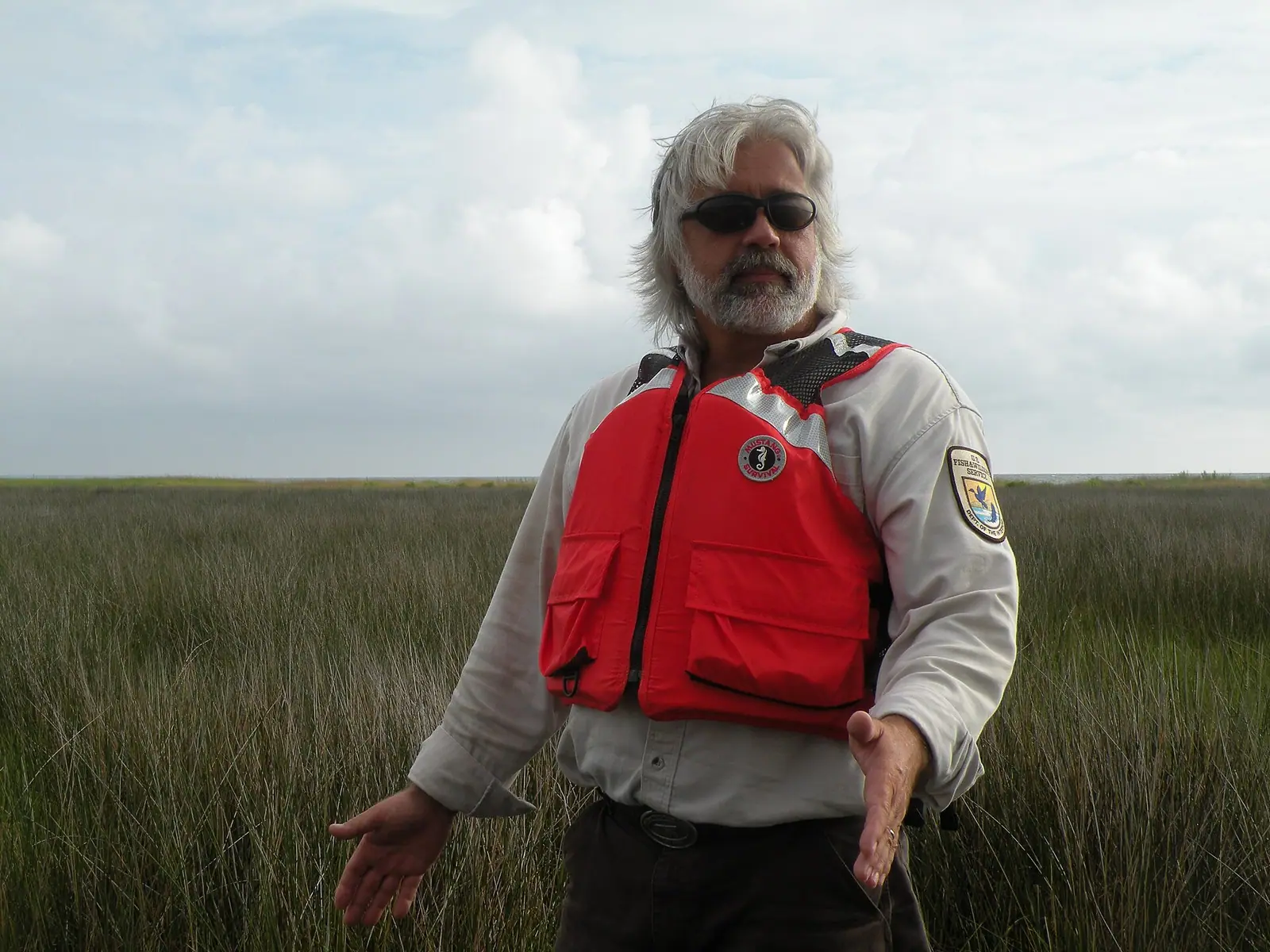
Alabama's last large stretch of wild coastal dune, walkable on foot only, and protected largely for a nocturnal mouse.
1–4 hoursFree. There is no entry fee and no parking charge at the refuge trailheads.

Alabama's hot glass studio sits on four acres of Wolf Bay shoreline, and watching the glassblowers work costs nothing.
1–2.5 hoursFree to walk in. The gallery, gift shop, grounds and glass demonstrations cost nothing; making anything is a booked, paid class.
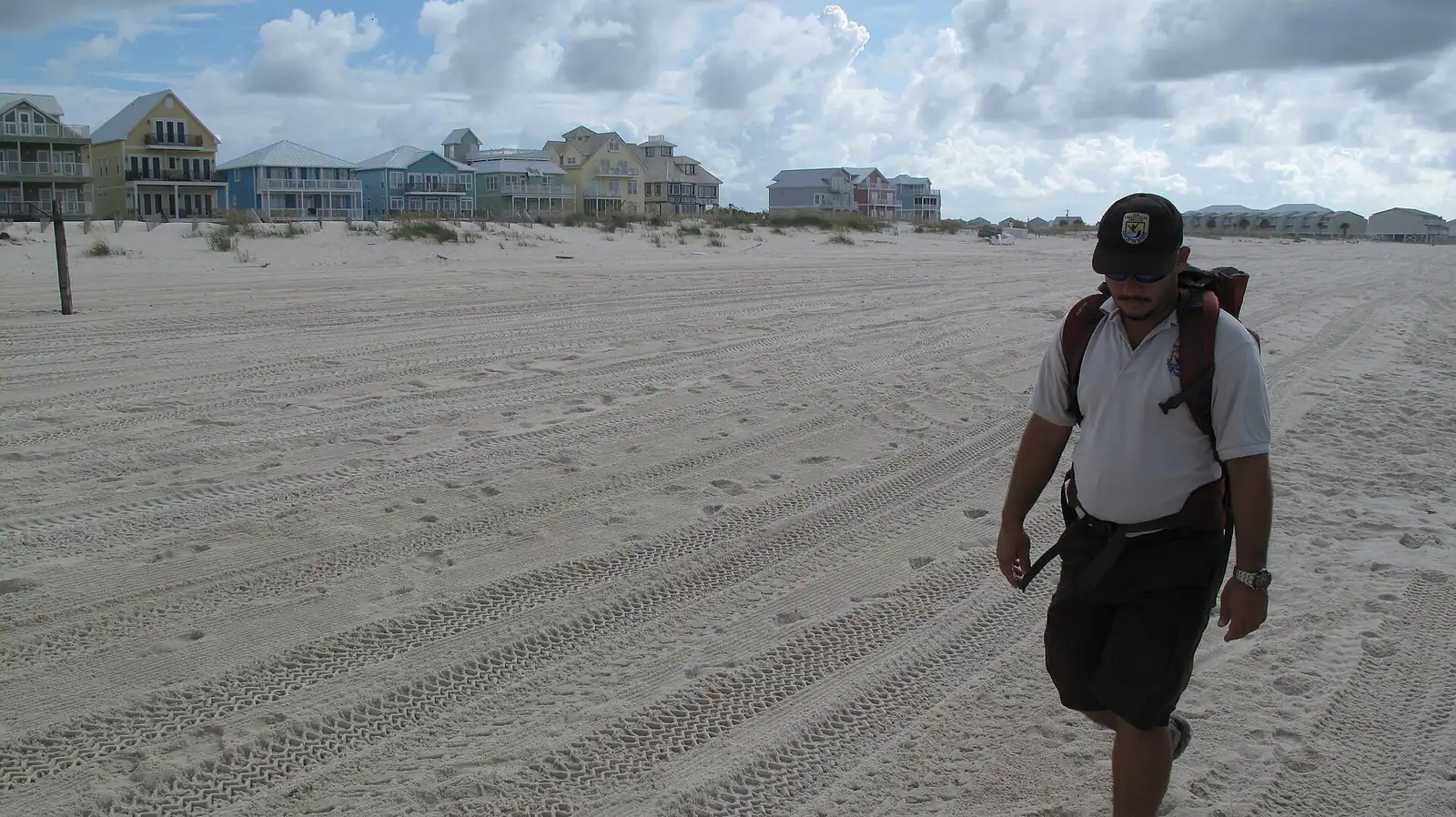
Where Highway 59 runs out of land: pavilions, showers, volleyball nets, The Hangout next door and hourly parking since July 2026.
2–7 hoursThe beach is free. Parking is not: non-residents pay by the hour through a phone app during the paid season.
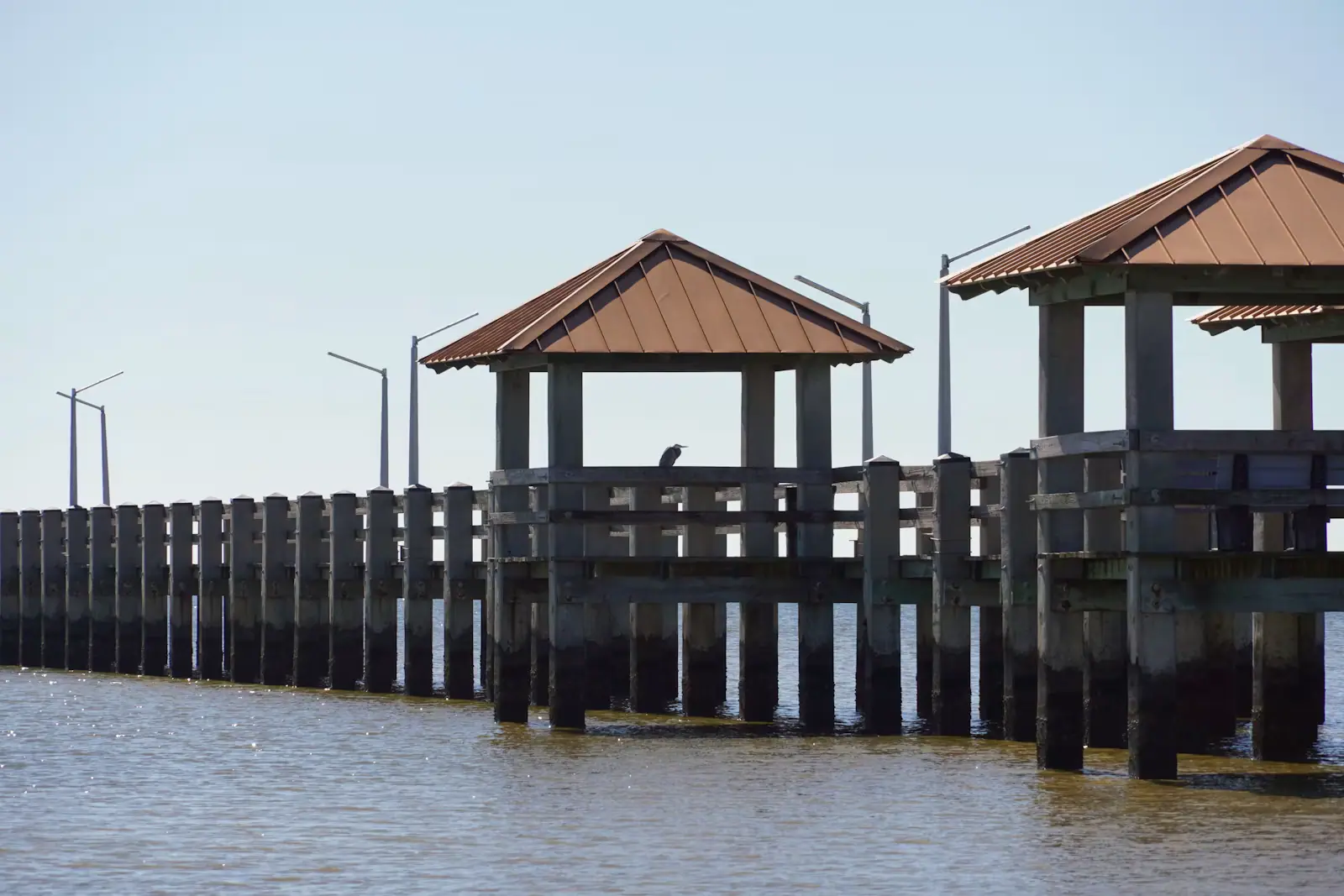
A free bayside park with a four-hundred-foot fishing pier, seven picnic shelters and the best playground on the Alabama coast.
1–4 hoursFree. No entry charge, no parking charge, no kiosk.
The only gap in thirty-two miles of Alabama barrier coast, armoured with granite, and the wrong place to let anyone swim.
1–3 hoursFree to visit. Parking at the adjoining Gulf State Park beach accesses is charged per vehicle per day.
A river village that has processed Alabama's seafood since the 1890s, fifteen minutes from the beach and a century from the condo towers.
1–2 hoursFree. There is nothing to pay to drive out here; the point is to buy seafood while you are there.
A free town museum inside a beach cottage that a 1979 hurricane took off West Beach, with a room devoted to what storms do here.
0.5–1.5 hoursFree. No ticket and no charge for parking.
A coastal dune lake one dune ridge behind the Gulf, holding largemouth bass and redfish in the same water, with a free ramp.
1–5 hoursFree to visit, fish from the bank and launch a boat. Pavilion reservations and equipment hire cost extra.
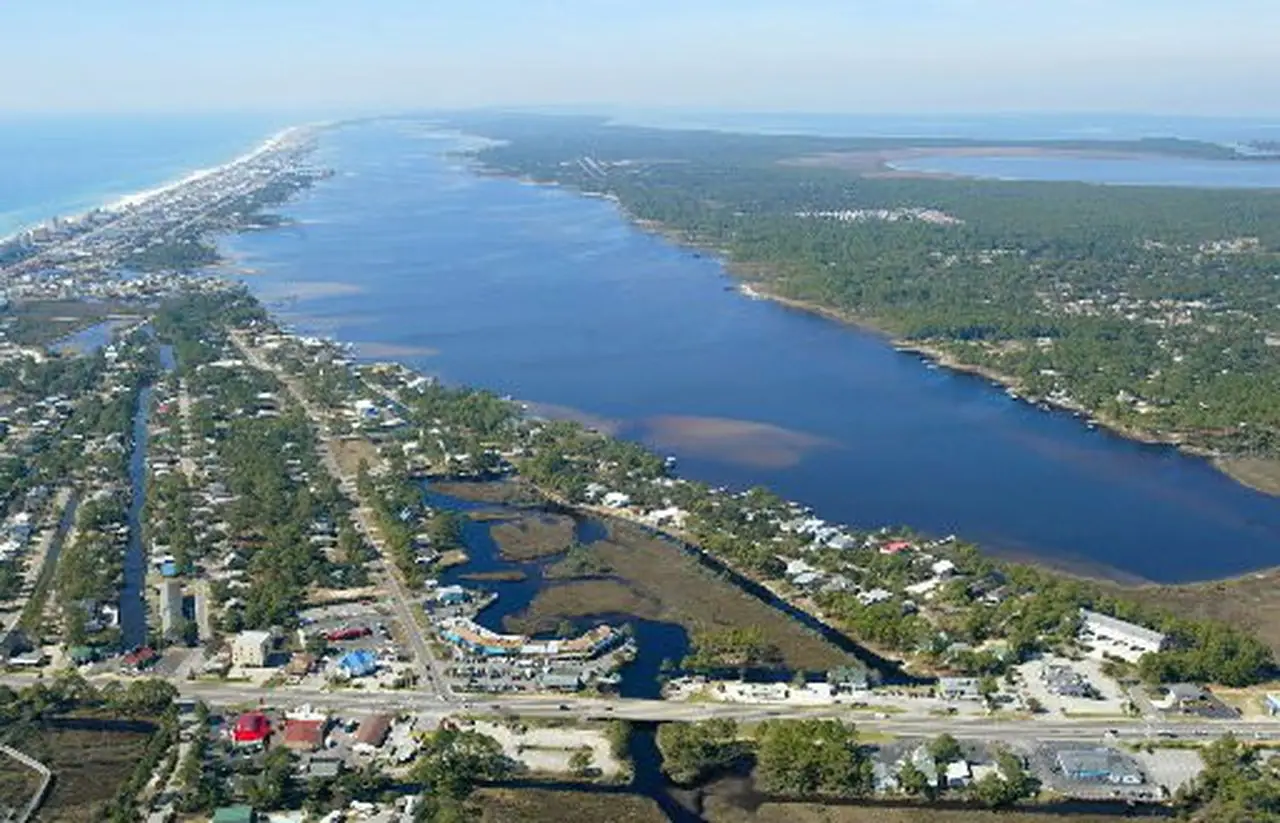
Ten miles of shallow, warm, brackish water behind West Beach, with one public ramp and a pass that eats propellers.
1.5–5 hoursThe water is free to use. The city charges for parking at Little Lagoon Pass Park, recently around five dollars for up to four hours and ten for a full day.
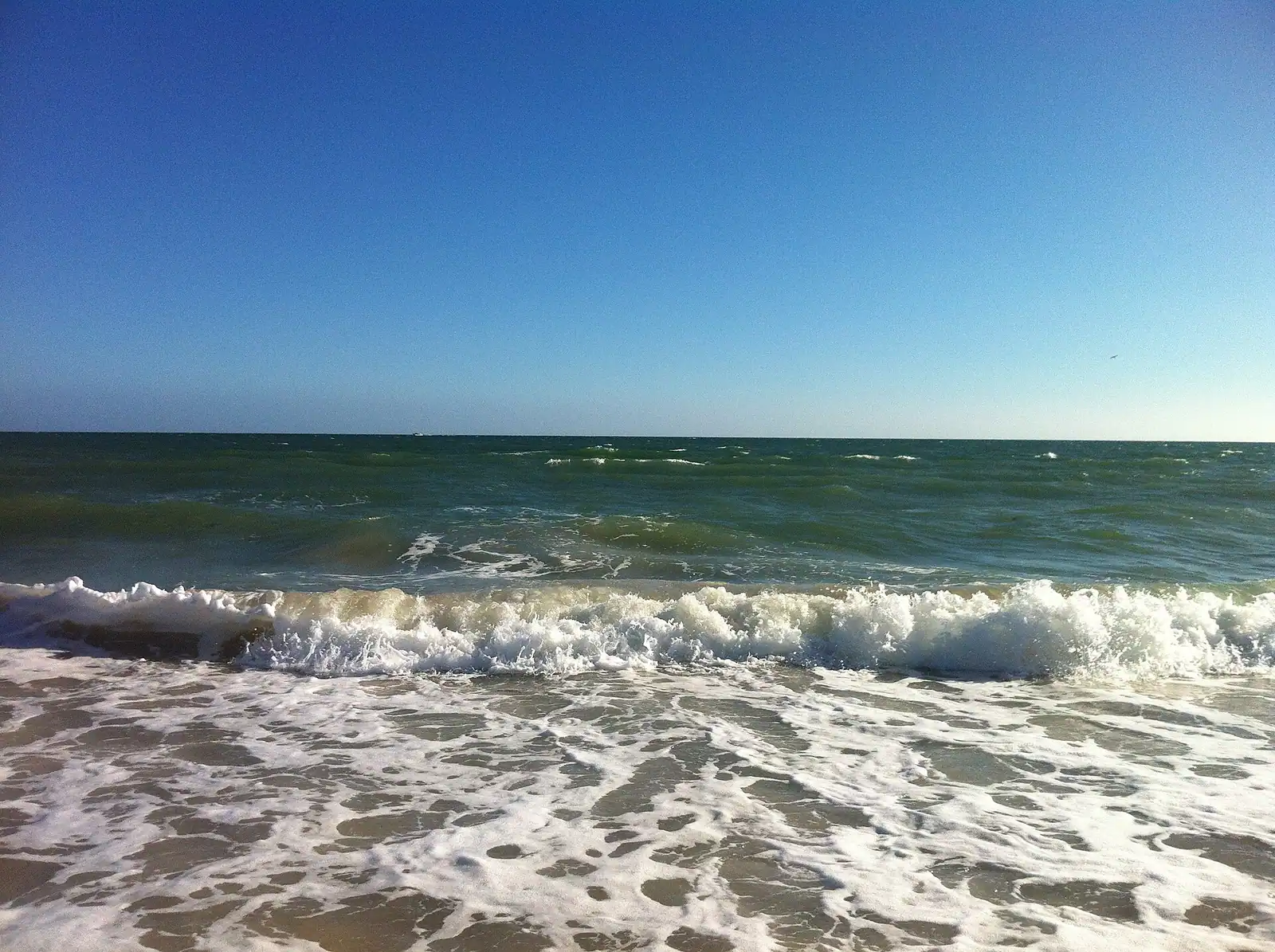
A ribbon of sand with the Gulf on one side and a ten-mile brackish lagoon on the other, reached by numbered street ends.
1.5–5 hoursThe beach is free. Designated parking spaces at the street ends and at Lagoon Pass Park are charged by the hour in season.
Straight answers
The sand is free; parking beside it usually is not. The City of Gulf Shores charges by the hour at its public accesses, recently around $2 an hour north of Beach Boulevard and $3 south of it, through the ParkMobile app, from March through November. Gulf State Park runs separate beach lots on a flat daily rate that has recently been $15 a car. Residents park free at the city lots. The cheapest approach is to walk or cycle in.
More than most beach towns. The Hugh S. Branyon Backcountry Trail gives you twenty-eight-plus miles of paved car-free path through nine ecosystems. Bon Secour National Wildlife Refuge has two free trails, one of them a flat one-mile loop. The Gulf Shores Museum is free, as is the gallery at the Coastal Arts Center of Orange Beach, where you can watch glass being blown. Orange Beach Waterfront Park has a free pier and playground.
A flat daily rate that has recently been $15 per personal vehicle, valid at every park beach access on the same day, with a higher rate for trailers, buses and large RVs. An annual permit has recently run around $200. Active, former and veteran service members have been admitted free with valid identification. This is a completely separate system from the City of Gulf Shores hourly meters, and one does not cover the other.
Yes. There is no entrance fee for the refuge or its trails. The Jeff Friend Trail is a flat one-mile loop beside Little Lagoon, suitable for most people including pushchairs on the boardwalk sections. The Pine Beach Trail runs several miles to an undeveloped Gulf beach. There is no visitor centre on the scale of a national park, almost no shade, and no drinking water, so carry your own and go early in summer.
Yes, walking or cycling it costs nothing, and it is the best free thing on the Alabama coast. Twenty-six named trails make up more than twenty-eight miles of paved, flat, car-free path inside Gulf State Park, crossing nine distinct ecosystems and connecting Gulf Shores to Orange Beach. Some trailheads sit inside paid beach parking areas, so pick an inland access if you want to avoid a charge entirely. Bike hire is available locally.
Three things move the needle. Stay somewhere you can walk or cycle to the sand, which removes daily parking entirely and is worth more than any attraction discount. Cook: nearly every rental here has a kitchen, and the seafood markets are cheaper and better than the restaurants. And go in May, late September or October, when rental rates fall sharply while the water is still warm. Beyond that, the trails, the refuge and the museums are free.
Keep exploring
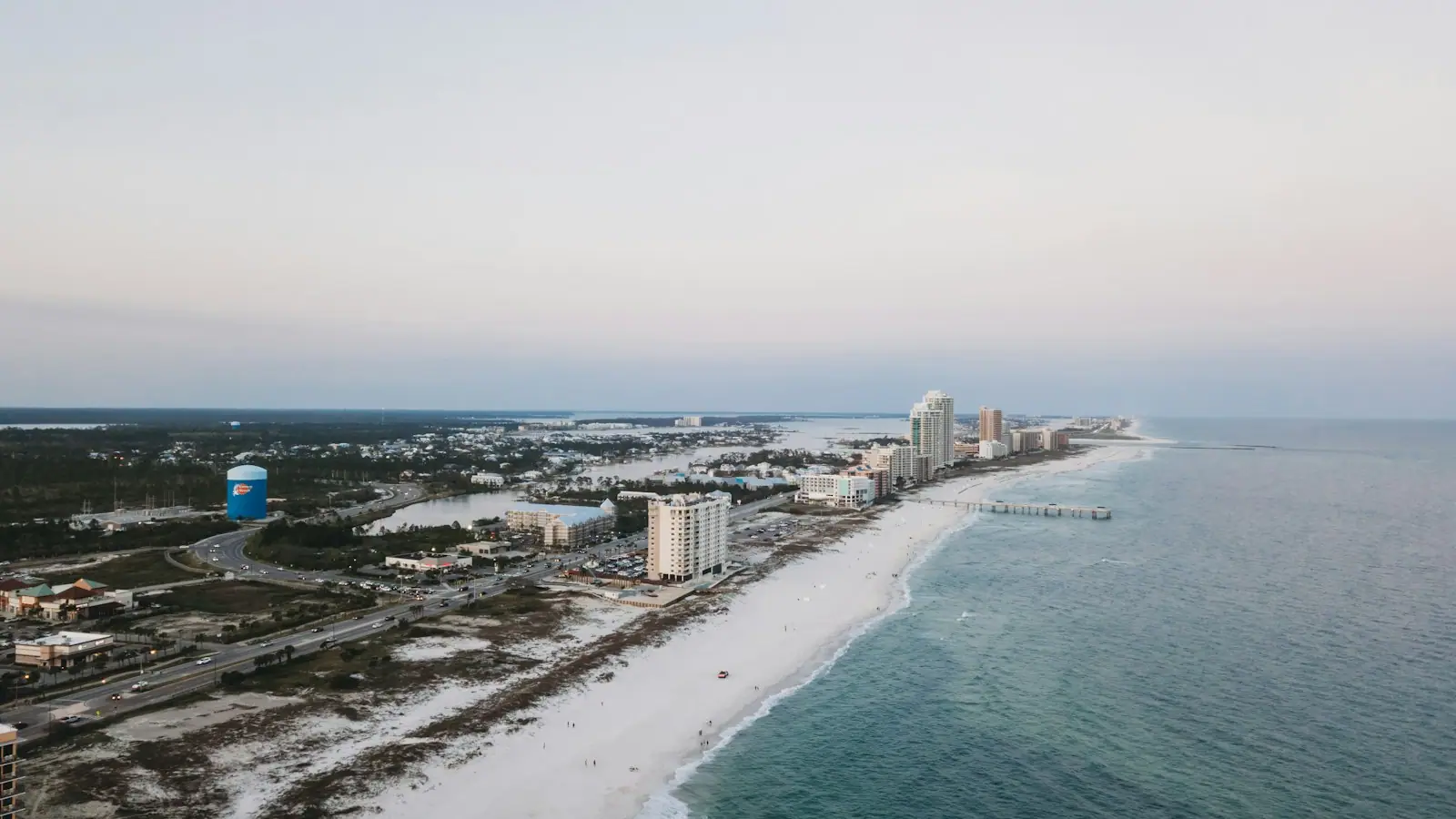
Alabama has about thirty-two miles of coast. That is the whole of it, from the Florida line at Perdido Pass west along Orange Beach and Gulf Shores…
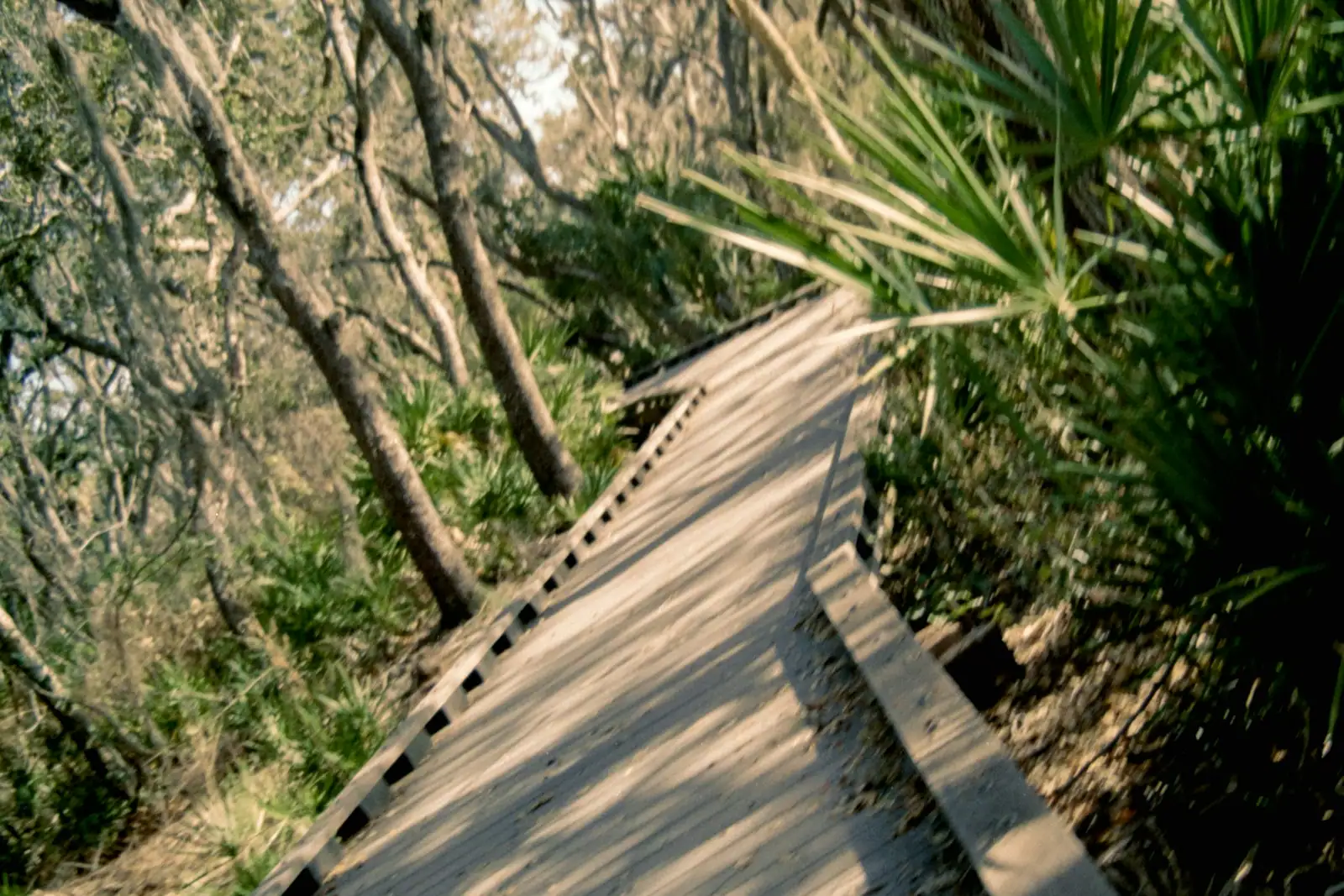
Alabama owns about thirty-two miles of coastline, less than any other Gulf state, and six thousand one hundred and fifty acres of it are a state…
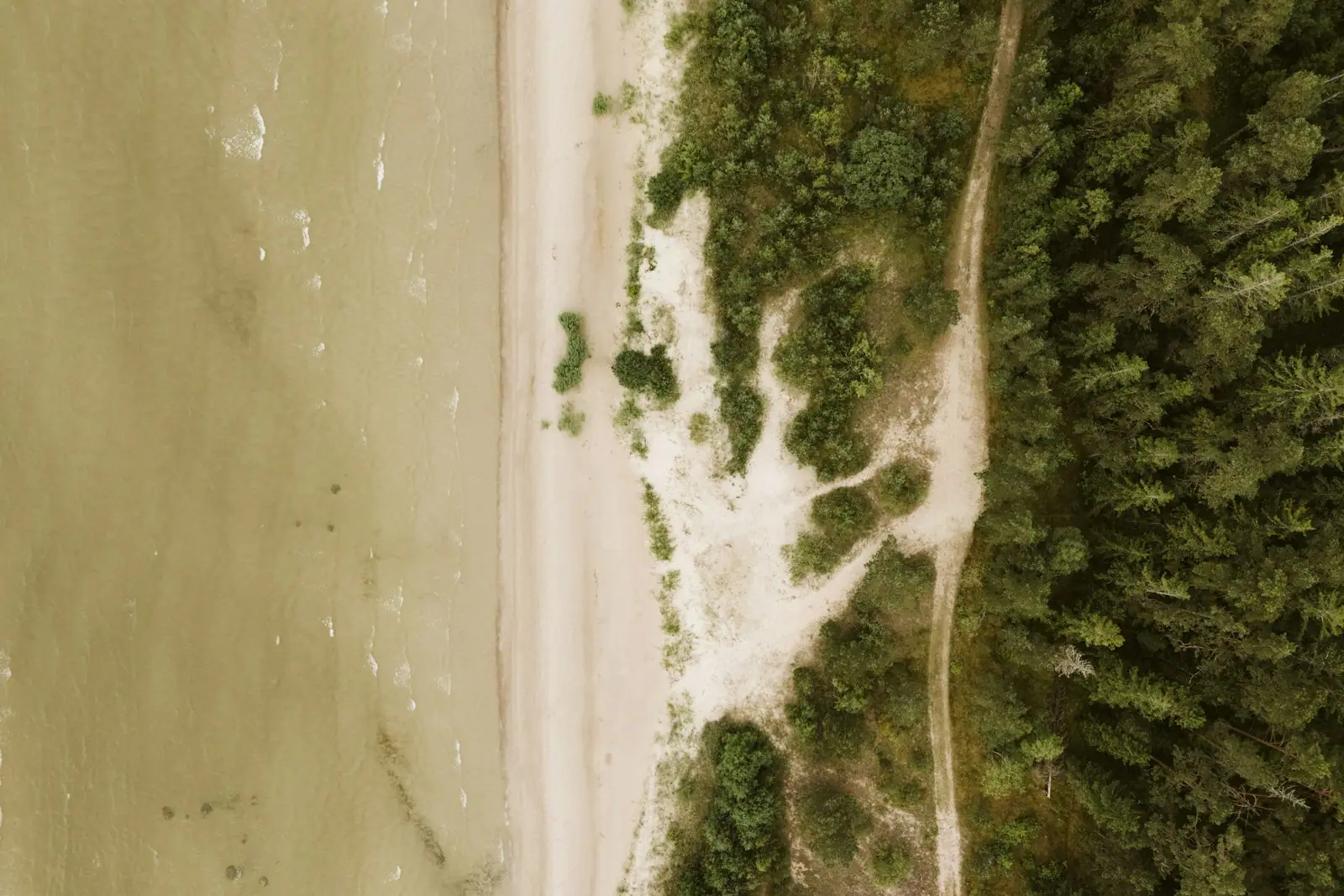
Alabama has the shortest coastline on the Gulf of Mexico, and that turns out to be the reason its wildlife is worth a trip rather than a footnote. A…
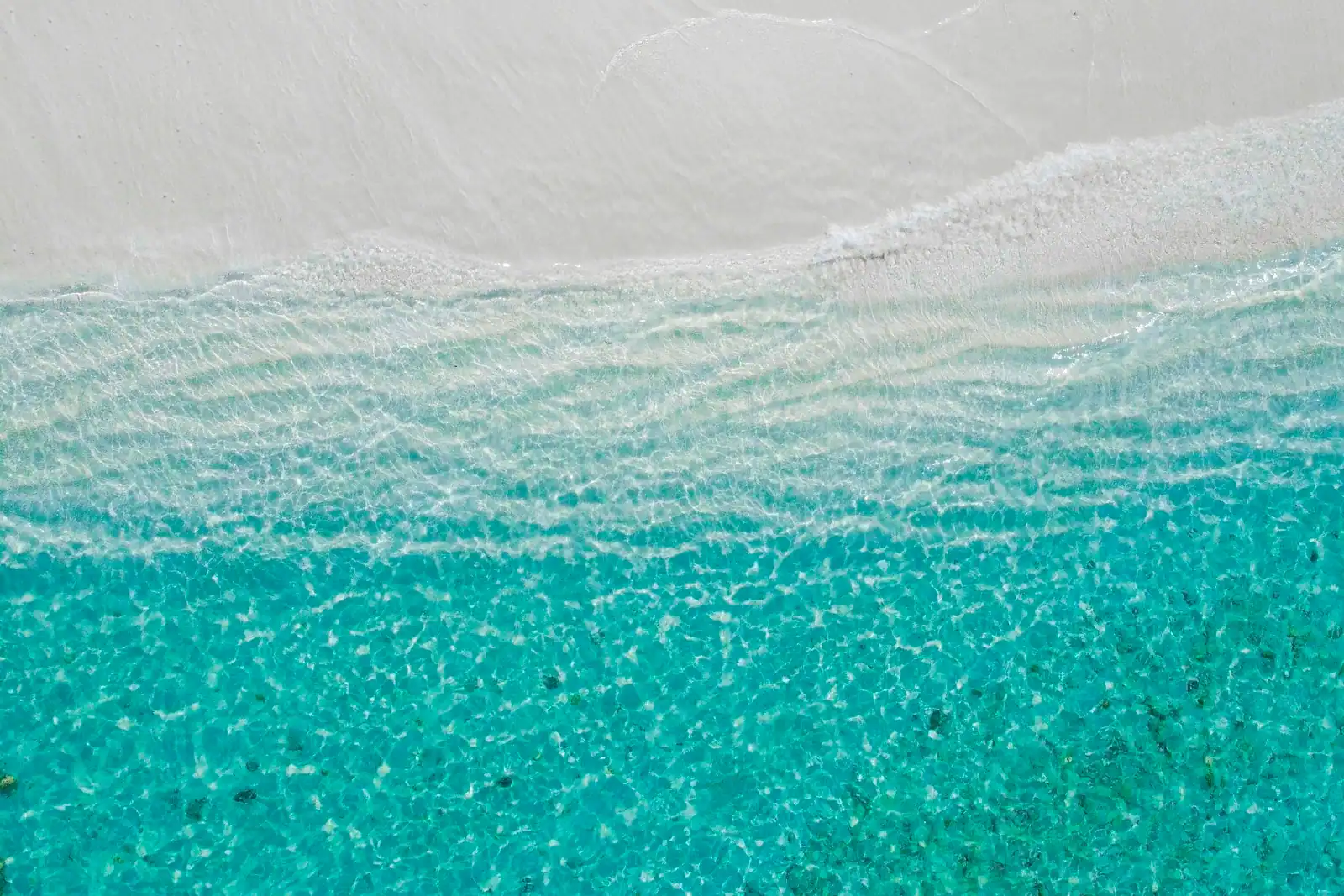
Alabama has less Gulf front than any other state on it — about thirty-two miles of it, beginning at the Florida state line by Perdido Pass and…
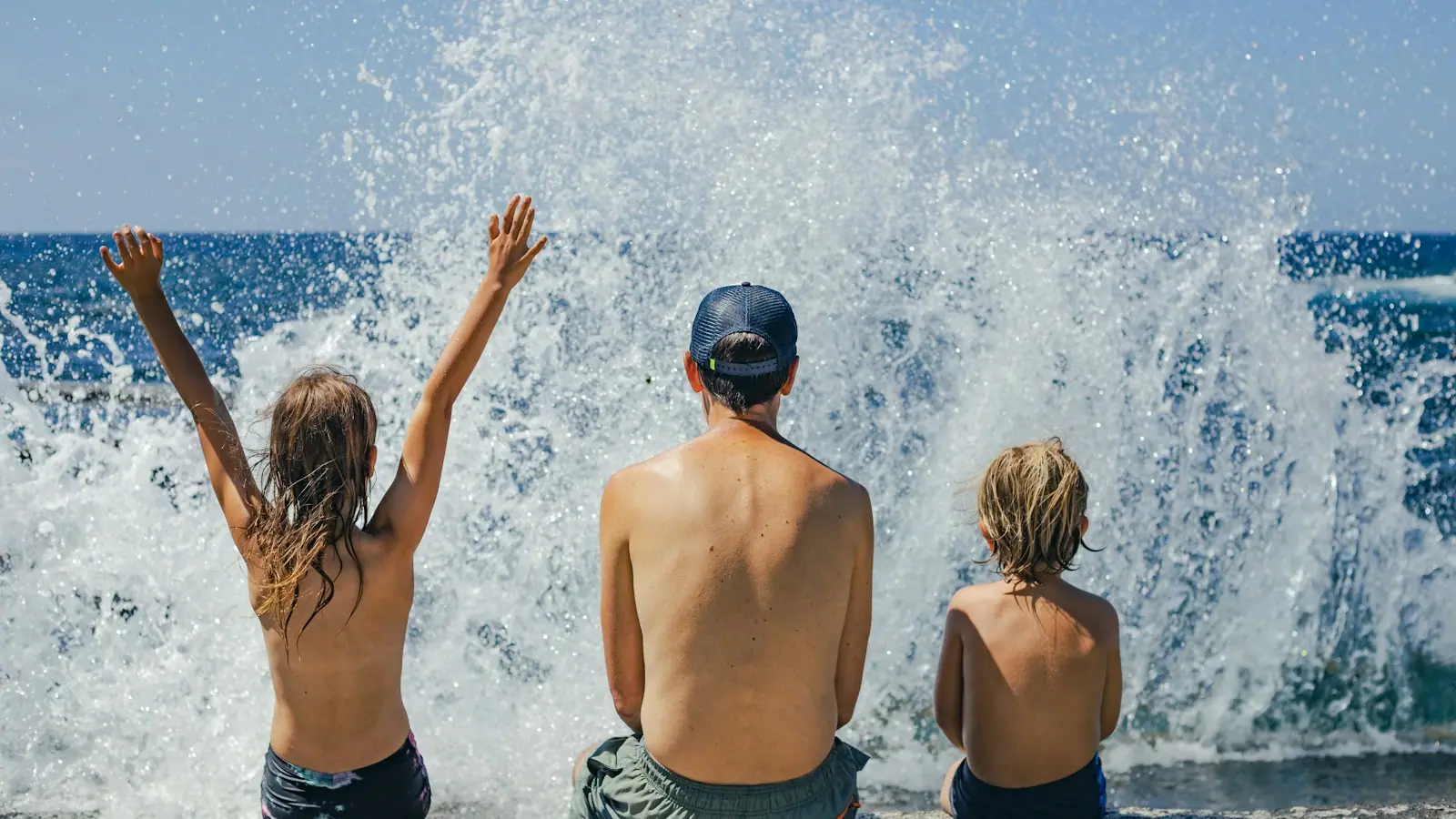
Calling something family friendly in Gulf Shores tells you nothing. Practically every visitor here is a family, most of them in a rented condo with…
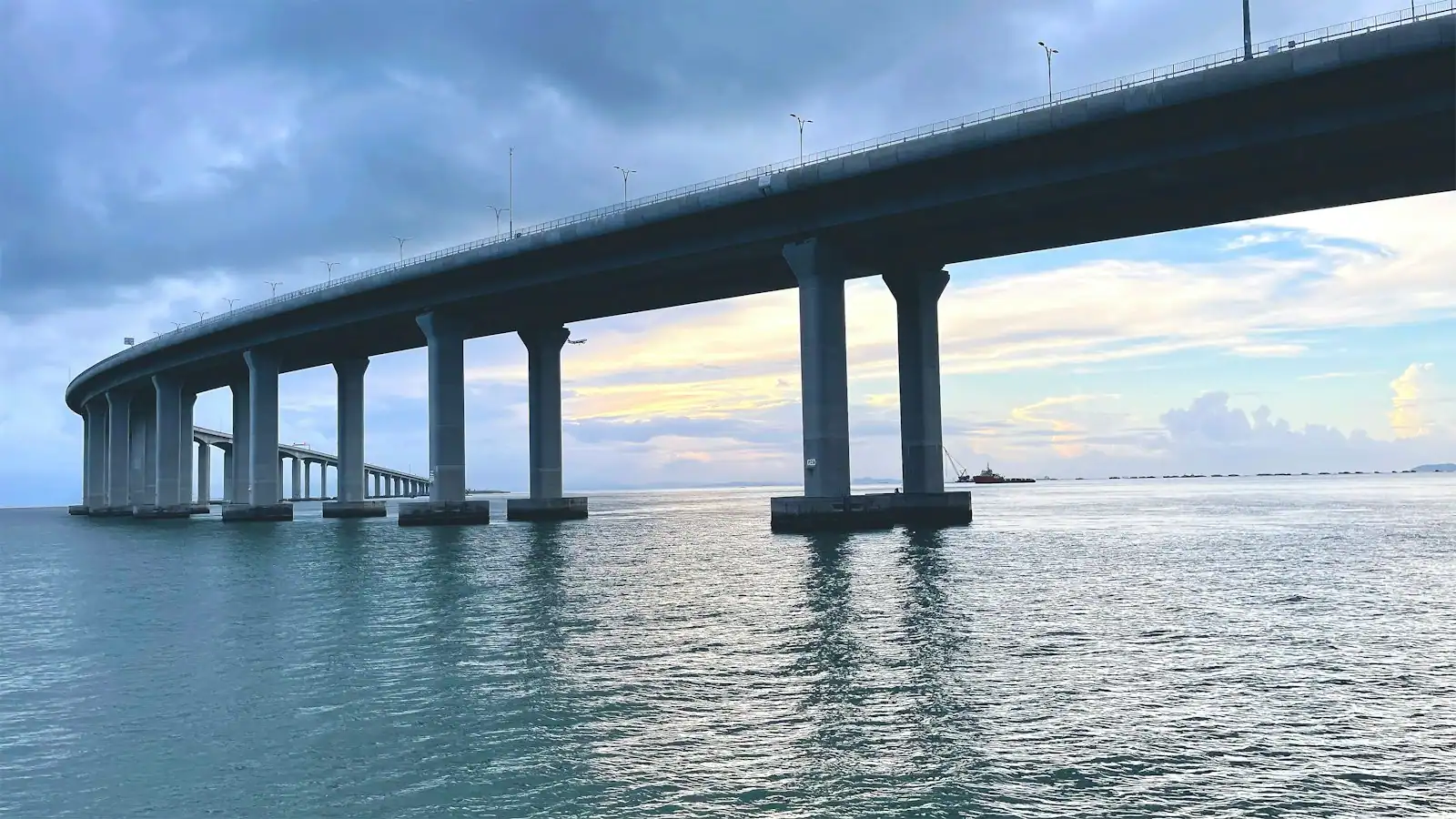
Alabama's coast is served by three roads, and once you understand that, everything else about moving around here makes sense. The first runs along…
Read next
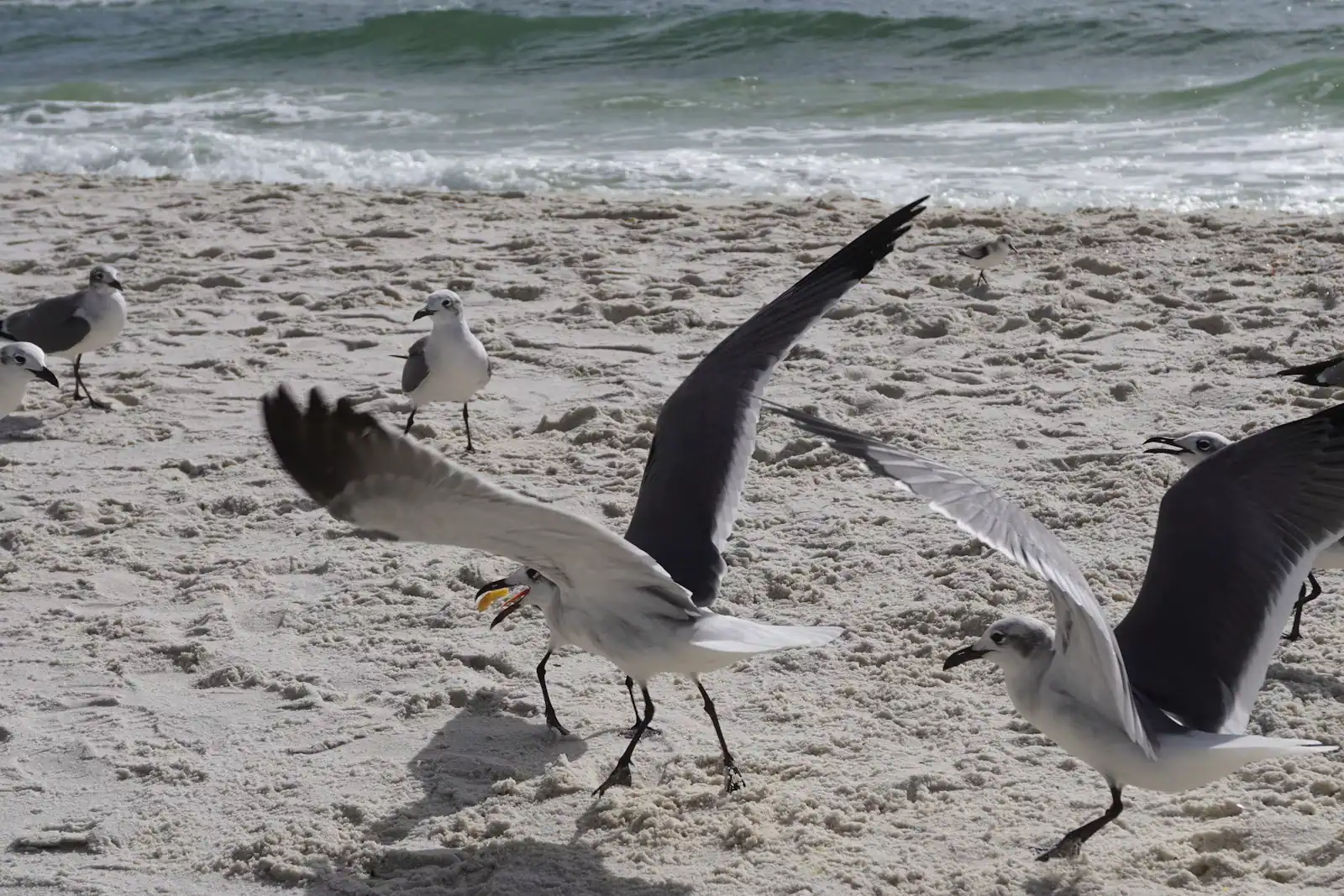
The beach costs nothing and the parking costs plenty, which is the asterisk on every free-things list written about this coast. Here is what is actually free, and how to dodge the one charge that adds up.
8 min readDale Whitaker
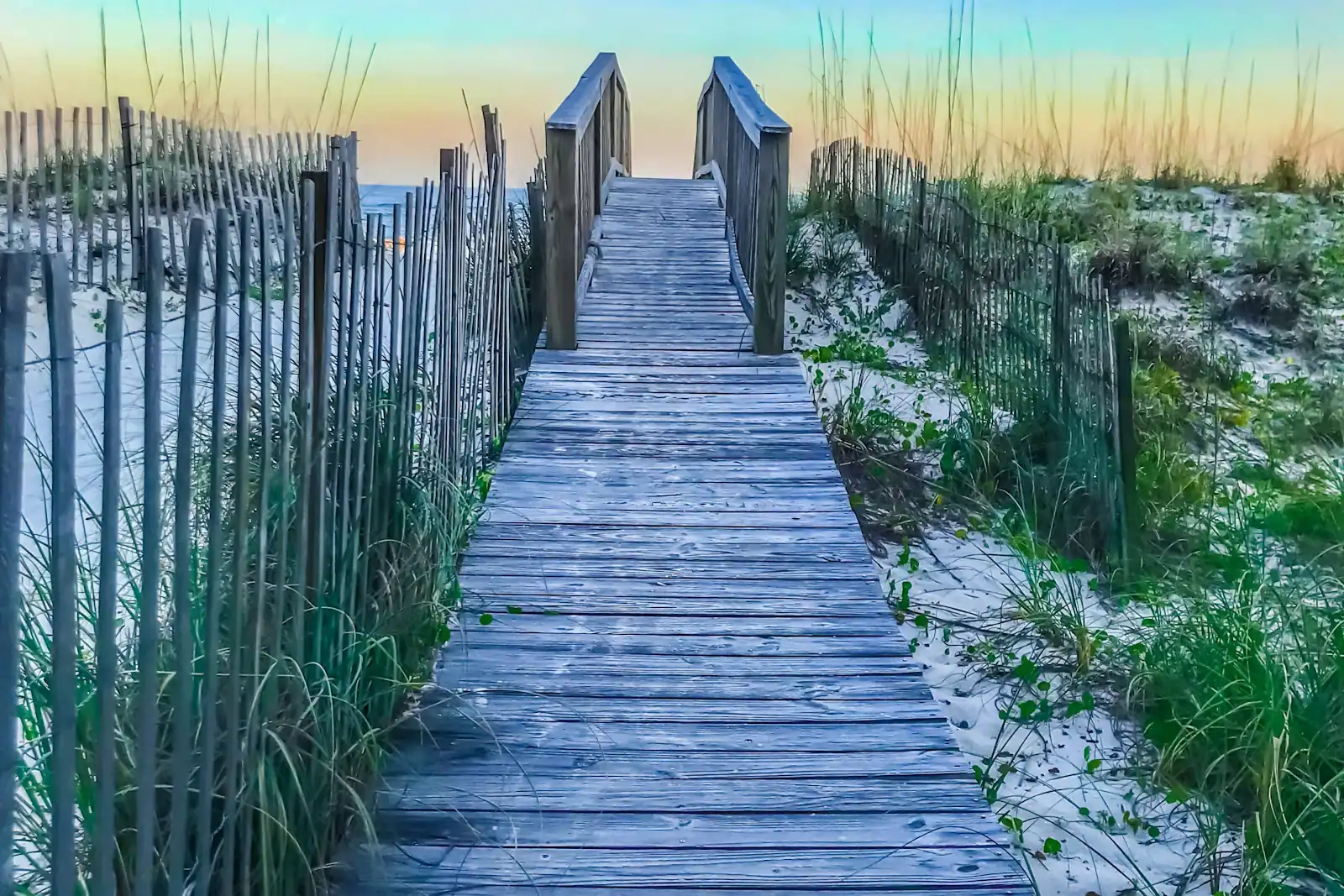
Most beach towns keep the nature reserve out past the last traffic light. Gulf Shores built itself around one, and the visitors who never walk into it are paying beachfront rates for half a holiday.
9 min readDale Whitaker
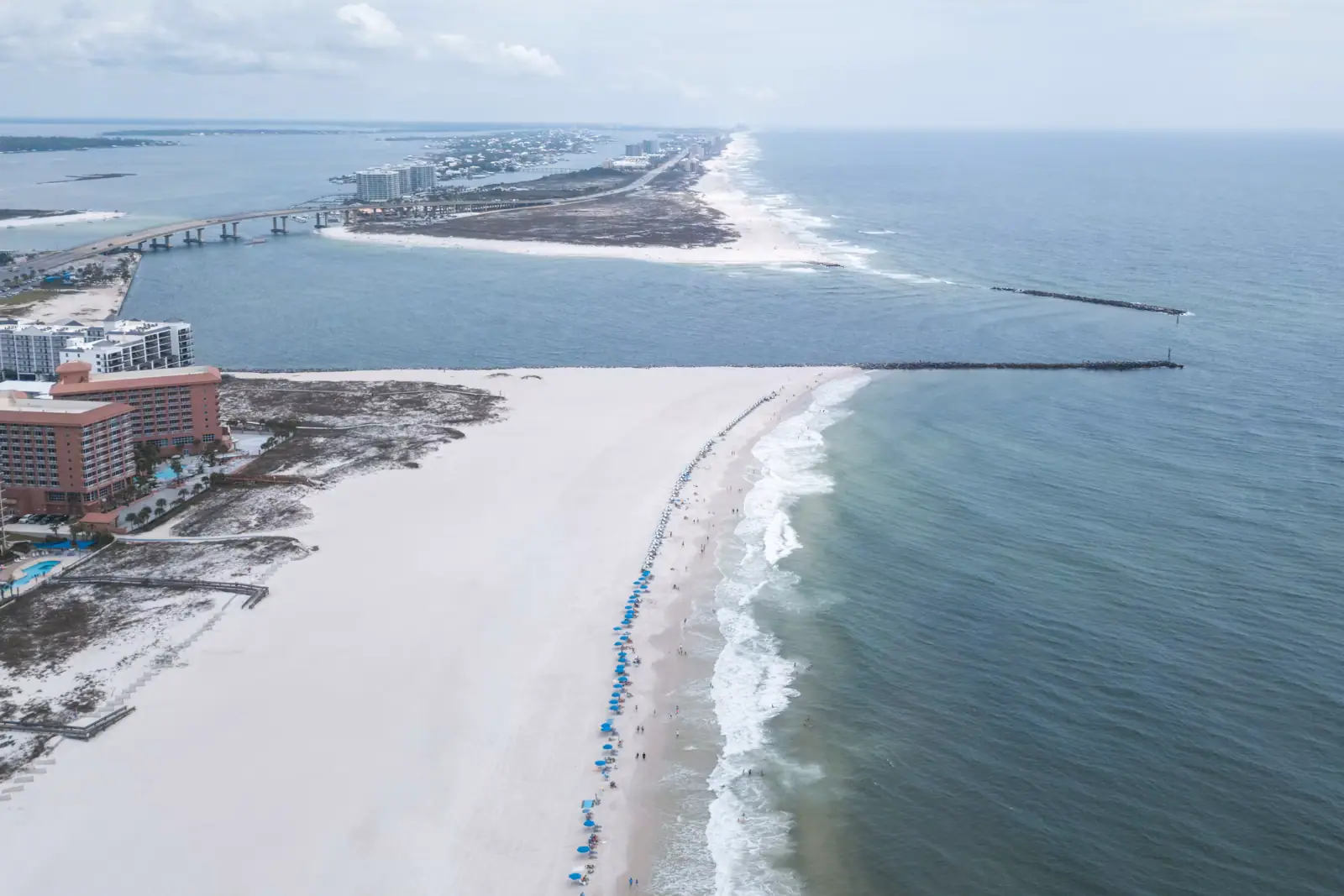
The sand runs the same for thirty miles, so choosing a beach here is not an aesthetic decision. It is a decision about parking, restrooms and how far you are willing to carry a cool box.
8 min readYvonne Ramsey
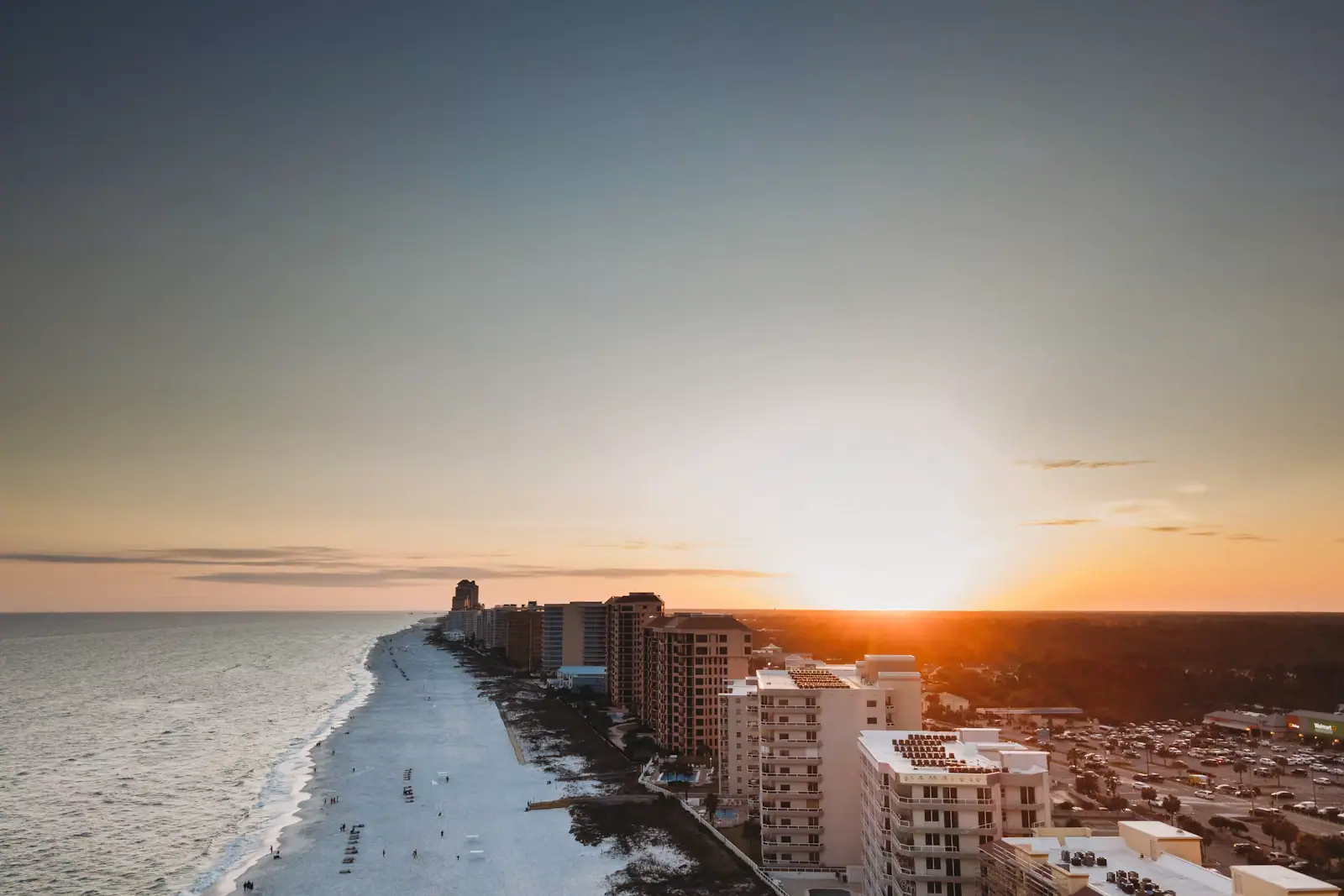
Nearly every rental on this coast turns over on a Saturday, which means the week has a shape whether you plan one or not. Here is the shape, and how to stop it costing you two days.
9 min readYvonne Ramsey