Skip to content
Search
Menu

These bookings go through Viator, and we are paid for them. Your price is the same, and the payment had nothing to do with the picks.

Working fishing boats moored along a harbour dock under a heavy overcast sky
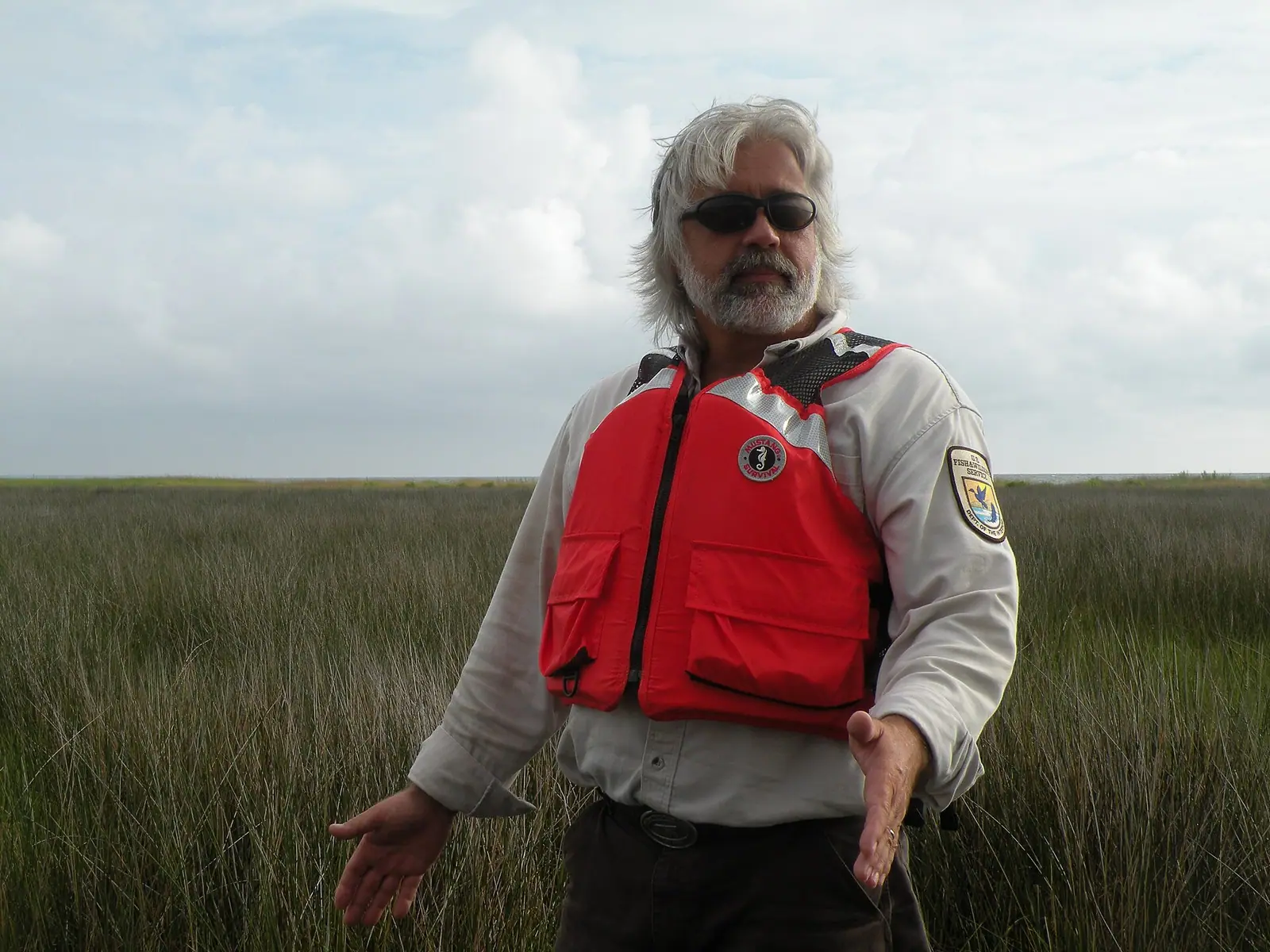
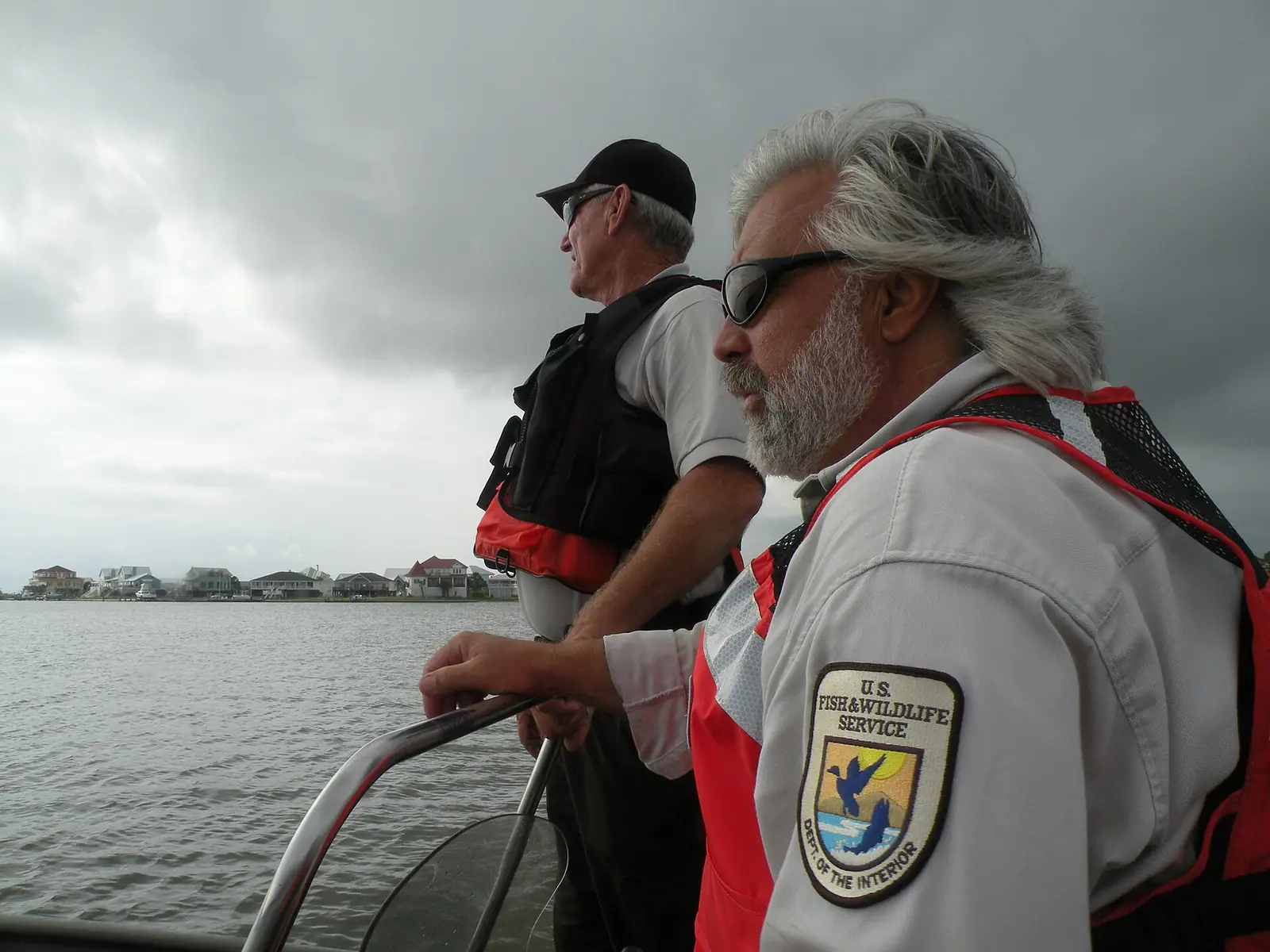
U.S. Fish and Wildlife Service Southeast Region

Neighbourhood

Bon Secour

Last updated

A river village that has processed Alabama's seafood since the 1890s, fifteen minutes from the beach and a century from the condo towers.

Bon Secour is not an attraction and does not want to be one. There is no visitor centre, no boardwalk, no gift shop selling shrimp-themed dishcloths. It is a scatter of houses, docks, ice plants and processing sheds along a river in Baldwin County, and it is where a good deal of Alabama's seafood has come ashore for well over a century. You visit by driving out, buying something, and driving back.

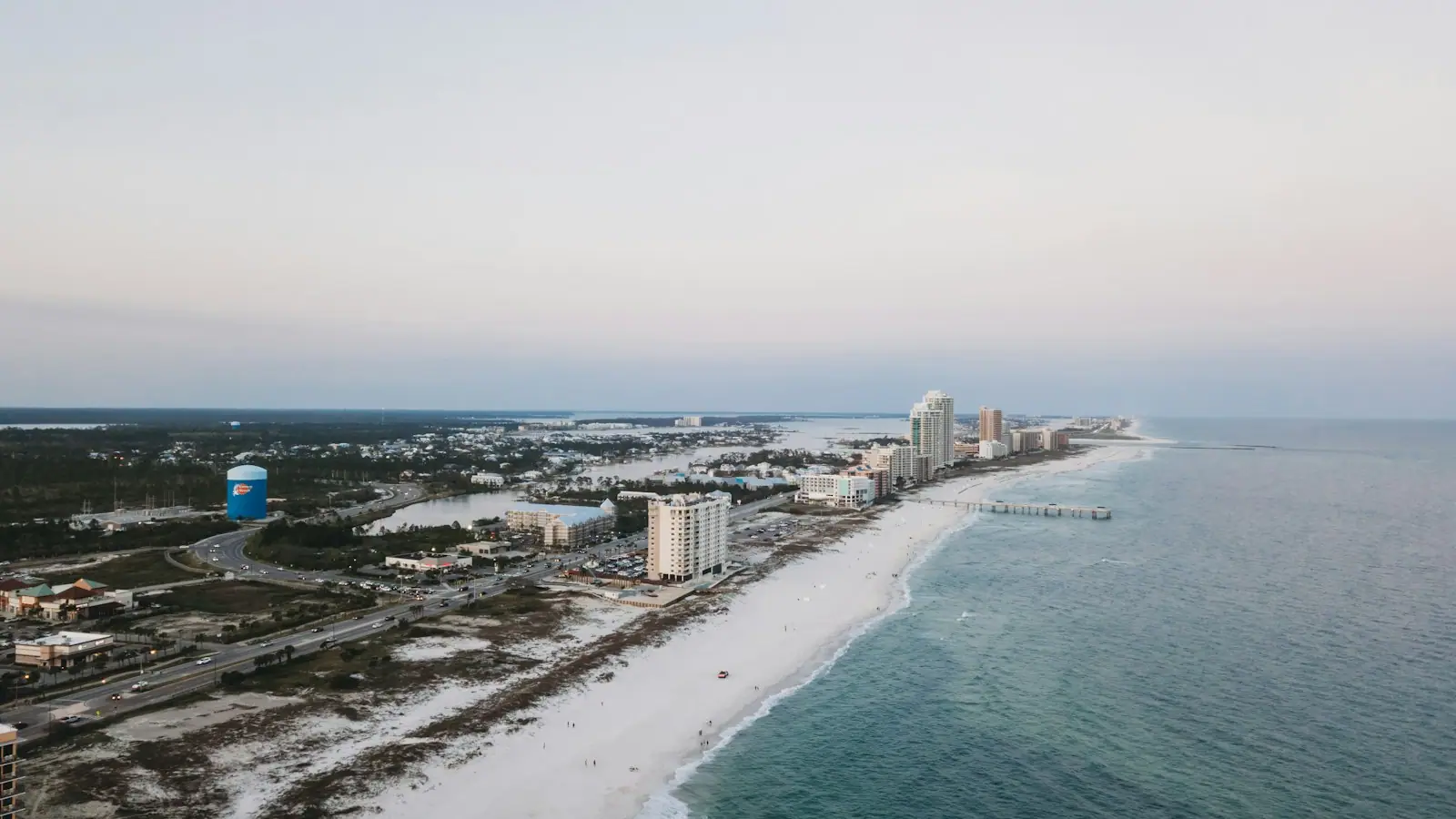
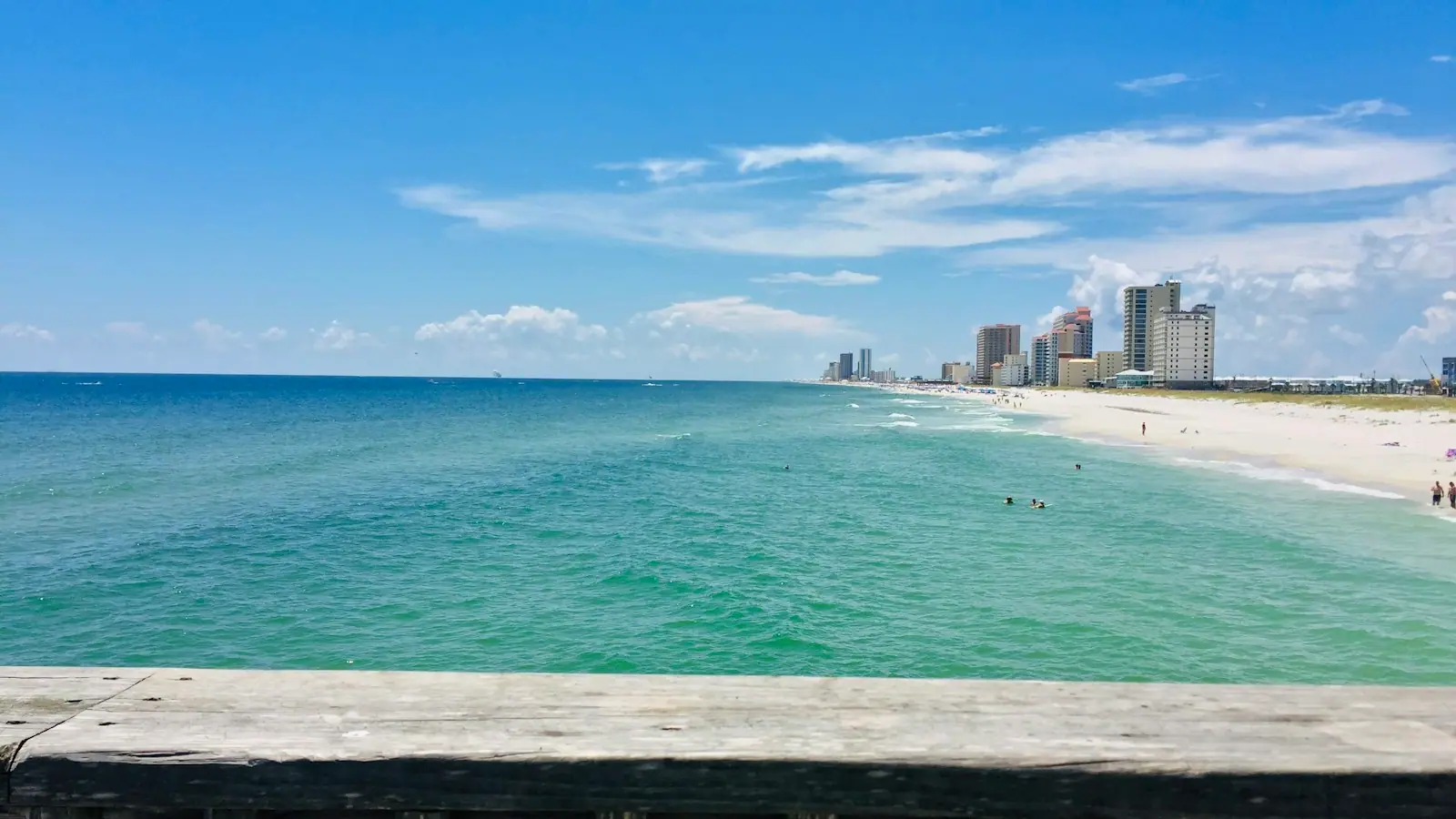
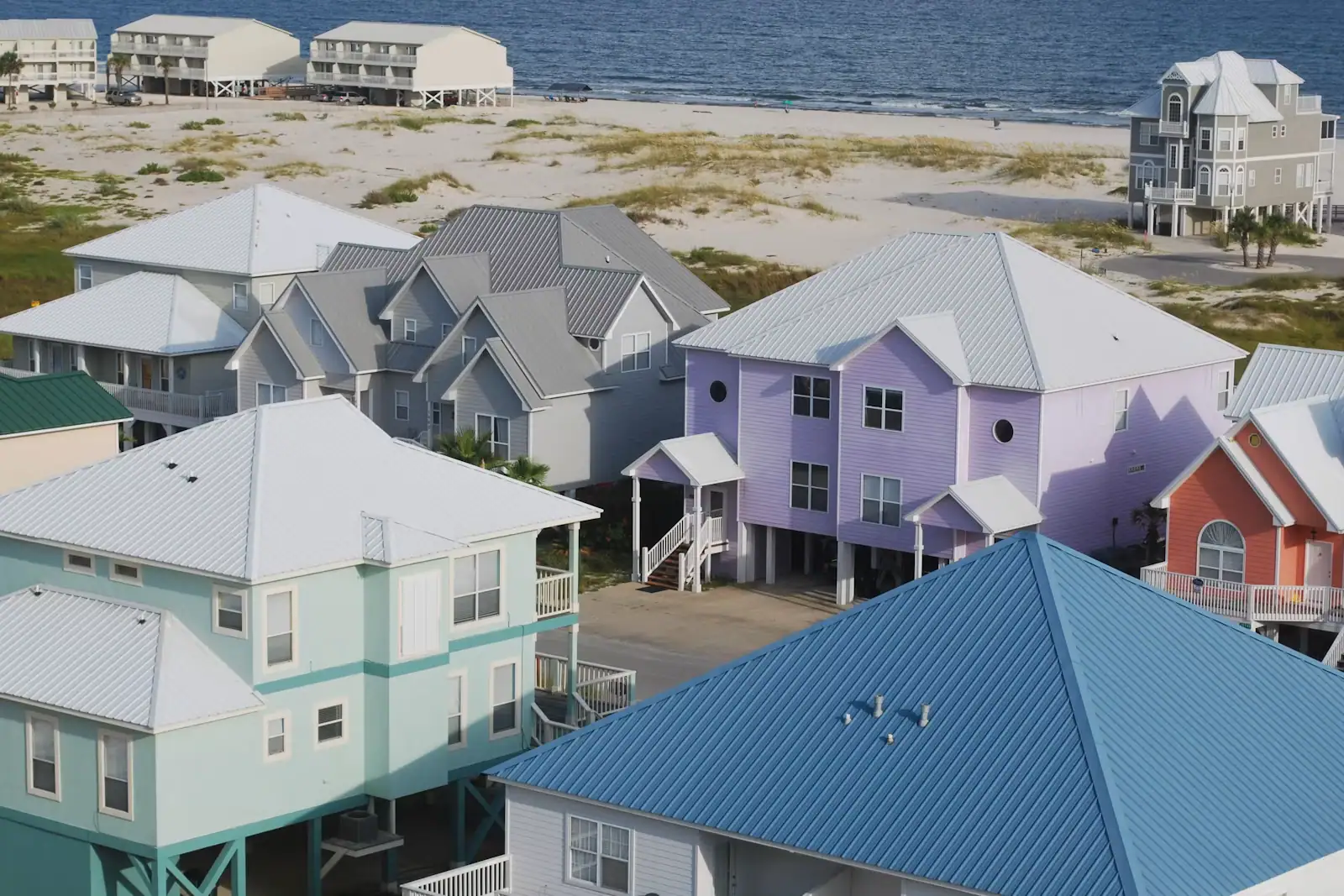
The name is French and it means safe harbour, which is also the explanation for the geography. French settlers put the village on a river a few miles inland from the Gulf rather than on the coast itself, because a river bend is a place a working boat survives a storm and an open beach is not. Everything Gulf Shores is built on today, the beachfront, the towers, the rental economy, is a twentieth-century idea. Bon Secour is the older idea, and it is still running.

Bon Secour Fisheries, on around nine acres of river frontage, is reported to have been in business since 1892 and is generally described as the largest single seafood processor in the state. Billy's Seafood, a retail market on River Road, has been going since 1975 and is the one most visitors actually walk into. Between them and the smaller operations along the water, this short stretch of river handles shrimp, oysters, crab and fin fish that end up on menus across the South.

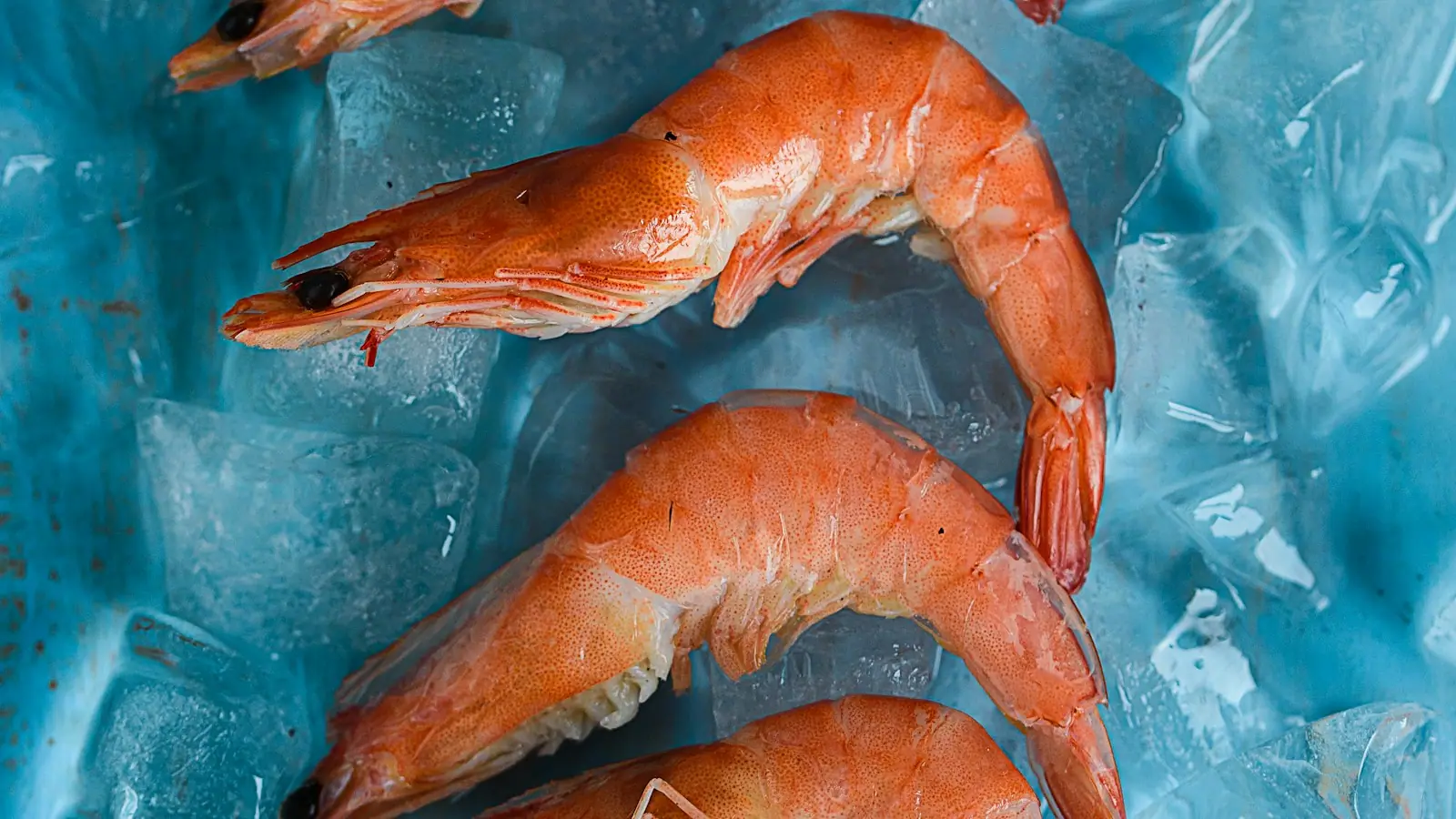
What makes it worth the fifteen-minute drive from Gulf Shores is not scenery, although the river is quietly beautiful in the evening. It is that you can buy shrimp from the people who brought it in, for a fraction of what a beach restaurant charges to put it on a plate, and cook it yourself in a rental kitchen that is otherwise going to waste.
Getting there and parking

North out of Gulf Shores on Highway 59, then west on County Road 10 and south towards the river on the Bon Secour and River Road lanes. Fifteen to twenty minutes from the beach in normal traffic.

Coming from the Fort Morgan road, cut north through the farmland on the county roads rather than going back through town; it is quicker and considerably more interesting, running through the tomato and potato fields that are the other half of Baldwin County's economy.

Set your satnav to the specific business you intend to visit. Typing the village name alone will as often as not send you to the national wildlife refuge on the Gulf side, which is a different place entirely and a thirty-minute error.

The lanes down to the water are narrow, largely residential and without pavements. Drive slowly and park only where a business has provided space.

Why the village is on a river and the resort is on the beach

Look at where people chose to live on this coast before air conditioning and tourism, and the pattern is consistent: not on the Gulf.

The Gulf front is exposed. It floods, it burns in the sun, it has no fresh water and nothing on it survives a serious storm surge. The rivers and bayous behind it are sheltered, shaded, close to both fishing grounds and farmland, and a boat tied up on a river bend has a chance in weather that would destroy it on open water. Safe harbour, in the most literal sense.

So the old communities on the Alabama coast sit inland: Bon Secour on its river, Oyster Bay, the settlements around the lagoon and the bays. The beach was where you worked in the summer, not where you lived.

That inverted completely in the second half of the twentieth century, and Gulf Shores and Orange Beach are the result. Bon Secour did not invert with it. The processing sheds are still on the river, the boats still tie up where they always did, and the community is still oriented to the water as a workplace.

Fifteen minutes of driving takes you between the two versions of this coast. It is the most instructive short drive in the county.

Buying seafood off the dock

  • Go to a retail market, not a processing plant. Billy's Seafood on River Road is the obvious one and is set up for walk-in customers. The plants are industrial sites with trucks in the yard.
  • Buy what came in, not what you planned. The single best question is "what is good today". Landings depend on season, weather and what the boats found, and the answer changes week to week.
  • Take a cool box. You are fifteen to twenty minutes from a rental kitchen and this is the Gulf Coast in summer. Ice is the difference between excellent shrimp and a mistake.
  • Shrimp is the staple. Heads-on costs less and tastes better; heads-off saves you a job. Decide before you are standing at the counter holding up a queue.
  • Oysters are complicated. Alabama's public reefs have had short, restricted and sometimes cancelled seasons in recent years, and a lot of what is sold now is farmed. Ask what you are buying and where it came from.
  • Cash and hours. Small operations keep their own schedules and some close early. Phone ahead if you are making a special trip, and do not assume Sunday.

It is a workplace, and people live there

This needs saying plainly because the village increasingly appears on lists of pretty drives, and the people who live and work there did not ask to be on them.

The docks are commercial property. Boats are being unloaded, forklifts are moving, ice is going aboard, and somebody's shift depends on none of that being obstructed. Do not walk onto a working dock to take a photograph. Do not block a gate, a turning space or a trailer ramp. If a yard is not clearly a shop, it is not a shop.

Much of the road frontage is private homes on narrow lanes with no pavement and nowhere to pull over. Park at the market you are visiting, not on a verge outside a house.

Photograph boats from public road and public water, not from the middle of a working yard. Ask before you point a camera at a person.

And buy something. A village that makes its living from seafood does not benefit from sightseers, and a steady trade in over-the-counter shrimp is the only reason the retail side is there at all. The transaction is what makes you a visitor rather than an intrusion.

Bon Secour the village is not Bon Secour the refuge

This trips up visitors constantly, so it is worth being explicit.

Bon Secour National Wildlife Refuge is a federal reserve of dunes, scrub and maritime forest on the Gulf side, out along the Fort Morgan peninsula west of Gulf Shores. It protects some of the last undeveloped dune habitat on the Alabama coast, it has hiking trails, and it is where the federally endangered Alabama beach mouse lives. If you are going for a walk, that is your destination.

Bon Secour the village is a working waterfront community on the Bon Secour River, several miles north and inland, reached through Foley or along County Road 10. If you are going to buy shrimp, that is your destination.

They share a name and a French root and not much else. One is a habitat; one is an industry.

Satnav will happily take you to the wrong one, particularly if you type only the two words. Set the actual destination, whether that is a market on River Road or a refuge trailhead on Highway 180, and check the map before you drive.

Near Bon Secour

Straight-line distances, so allow more on the road — the island is long and has one main parkway.

  • Two paddleboarders crossing a wide sheet of flat, pale, mirror-calm water under a soft sky
    Free
    Water feature

    Little Lagoon

    Ten miles of shallow, warm, brackish water behind West Beach, with one public ramp and a pass that eats propellers.

    1.5–5 hoursThe water is free to use. The city charges for parking at Little Lagoon Pass Park, recently around five dollars for up to four hours and ten for a full day.5.1 mi away

  • An aerial view of an empty pale sand shoreline meeting an unbroken block of dense pine forest
    Free
    Nature preserve

    Bon Secour National Wildlife Refuge

    Alabama's last large stretch of wild coastal dune, walkable on foot only, and protected largely for a nocturnal mouse.

    1–4 hoursFree. There is no entry fee and no parking charge at the refuge trailheads.7.8 mi away

  • Cars moving along a two-lane coastal highway with open water alongside it
    Historic site

    Fort Morgan State Historic Site

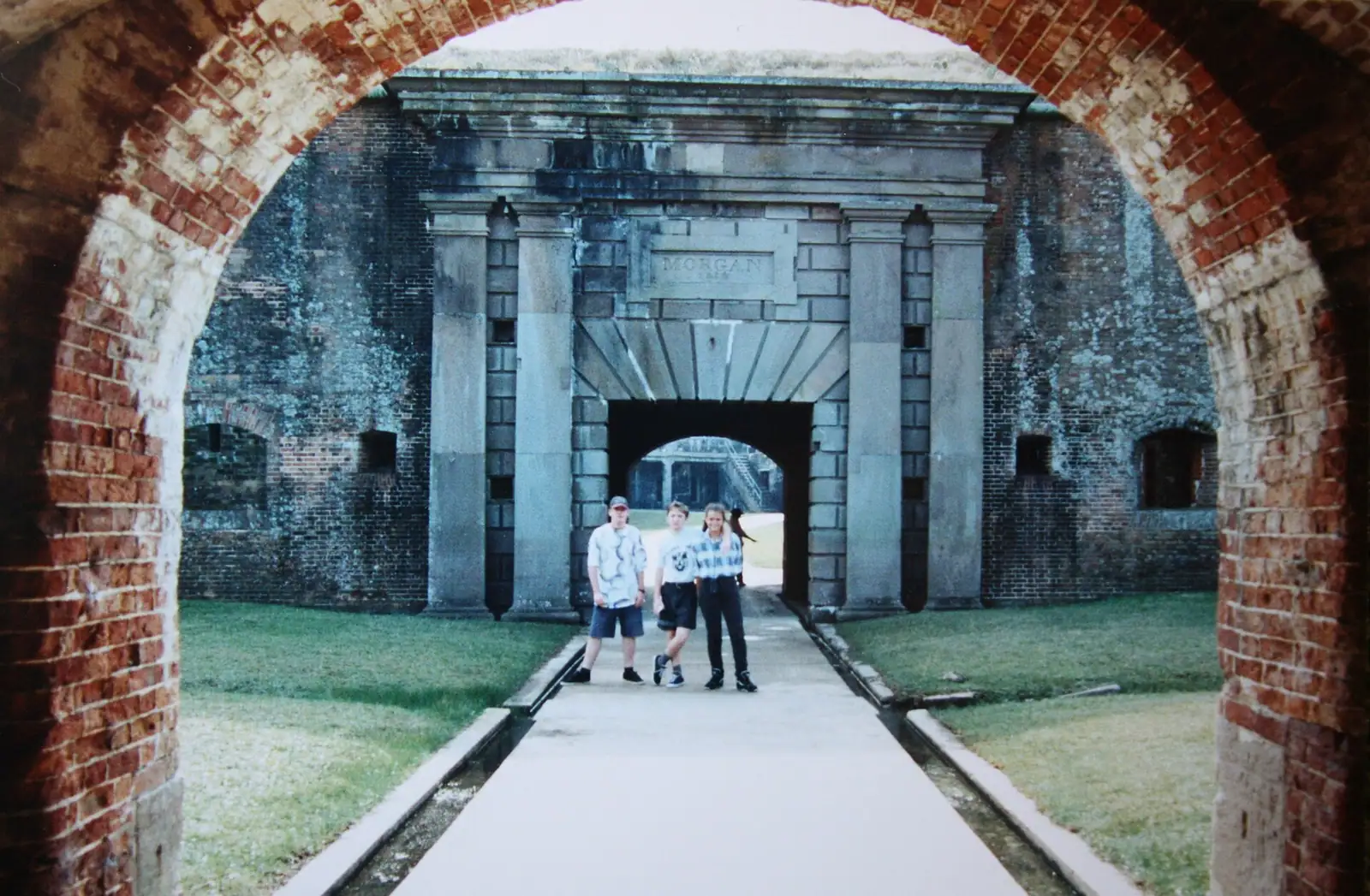
    A brick pentagon at the end of a 22-mile peninsula, where Farragut ran the Union fleet into Mobile Bay in August 1864.

    1–3 hoursRecently around $8 for an adult, about $5 for students, seniors and children aged 6 to 18, with a family rate and free entry for military with ID.18.8 mi away

  • Small boats moored alongside a timber dock and gangway on sheltered water
    Free
    Marina

    Homeport Marina

    Gulf Shores keeps its boats on a canal. Every one of them runs east to Perdido Pass or west to Mobile Bay to reach open water.

    1–4 hoursFree to walk the docks and look. Trips, rentals and slips are priced by the individual operators.3.6 mi away

Bon Secour: common questions

Can you buy seafood direct in Bon Secour?

Yes, at the retail markets rather than the processing plants. Billy's Seafood on River Road has run since 1975 and is set up for walk-in customers. Ask what is good that day rather than arriving with a shopping list, because landings depend on season and weather. Take a cool box, decide between heads-on and heads-off shrimp before you reach the counter, and check hours, which are short and often exclude Sunday.

Is Bon Secour the same as the Bon Secour wildlife refuge?

No, and the confusion costs people half an hour regularly. The village is a working seafood community on the Bon Secour River, inland and north of Gulf Shores. Bon Secour National Wildlife Refuge is a federal dune and maritime forest reserve on the Gulf side, out along the Fort Morgan peninsula, where the endangered Alabama beach mouse lives. Set your satnav to a specific address rather than the two words.

What is there to do in Bon Secour?

Buy seafood and look at a working river. That is genuinely the whole list. There is no visitor centre, no museum, no boardwalk and no attraction, and the docks are commercial property rather than somewhere to wander. What Bon Secour offers is the chance to see what this coast did for a living before tourism, and to take home shrimp for a fraction of a restaurant price.

How old is the seafood industry in Bon Secour?

Old. Bon Secour Fisheries is reported to have been in business since 1892 on about nine acres of river frontage and is generally described as the largest single seafood processor in Alabama. The community itself traces to French settlement, and the name means safe harbour, which explains why it sits on a sheltered river bend rather than on the exposed Gulf shoreline a few miles south.