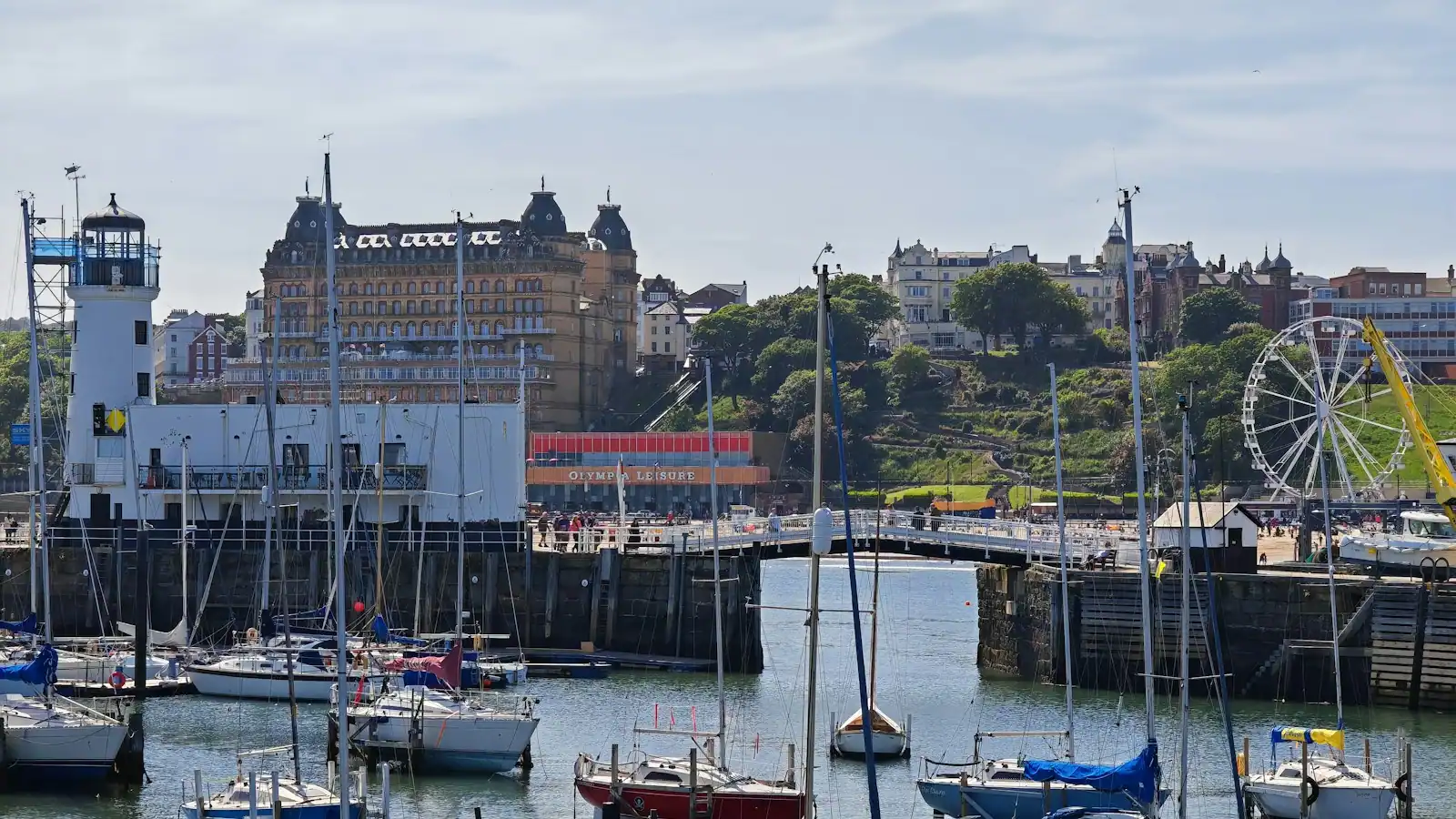
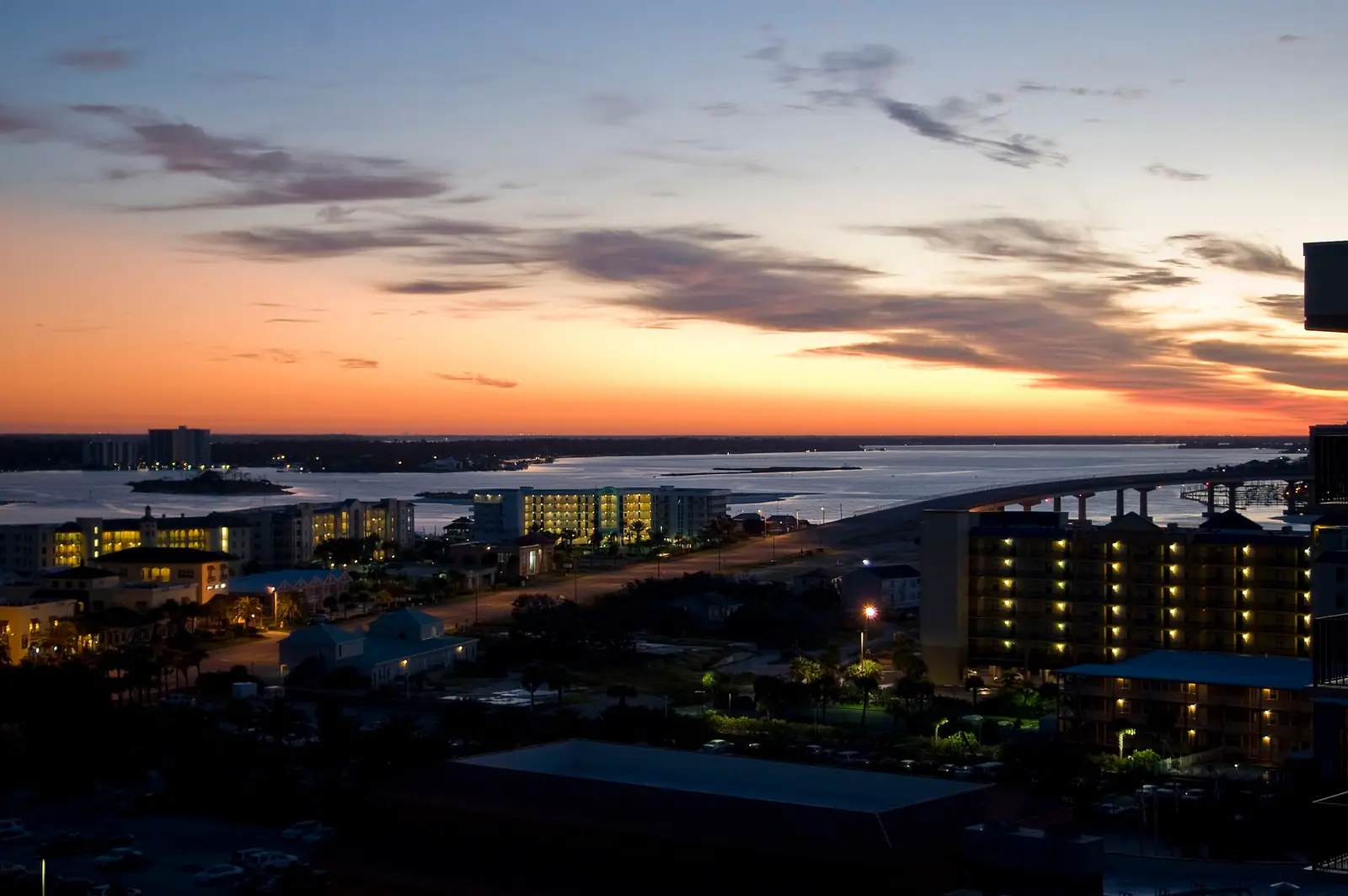
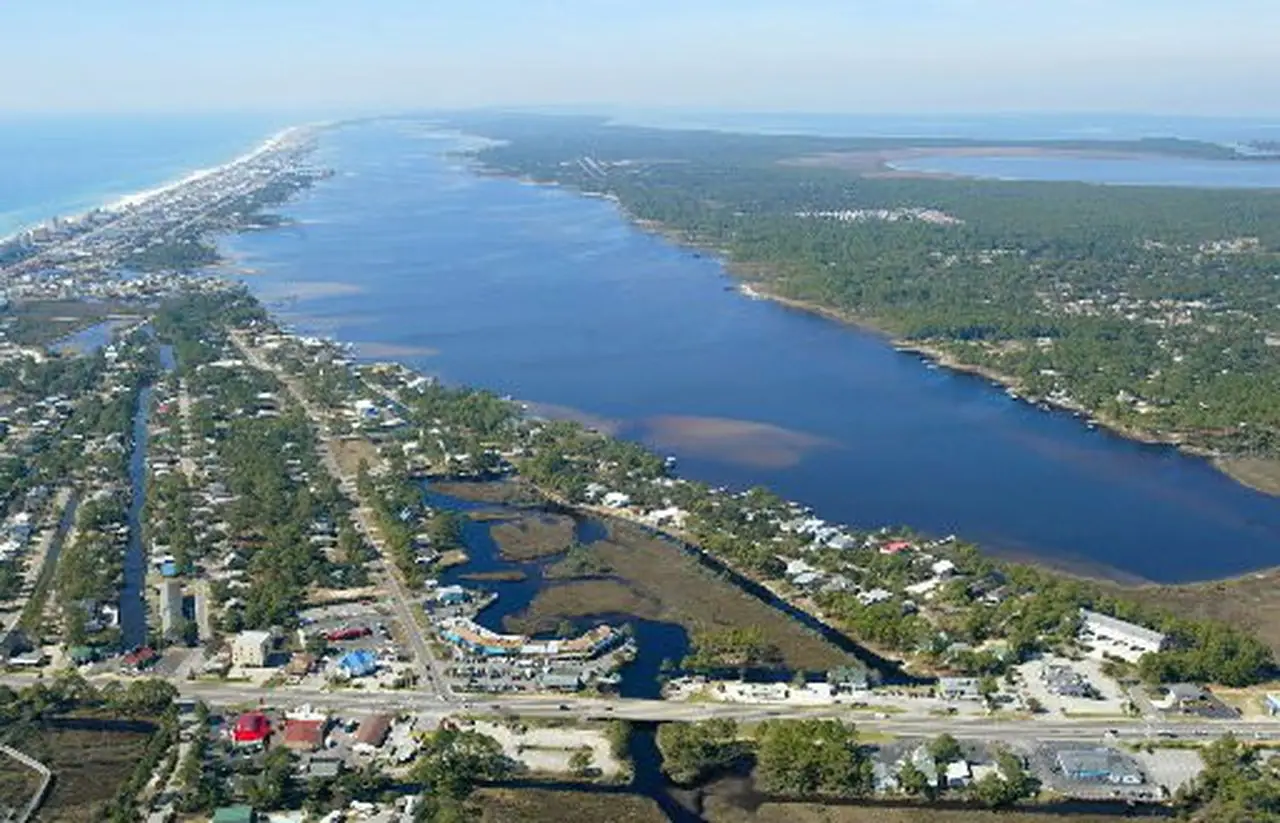
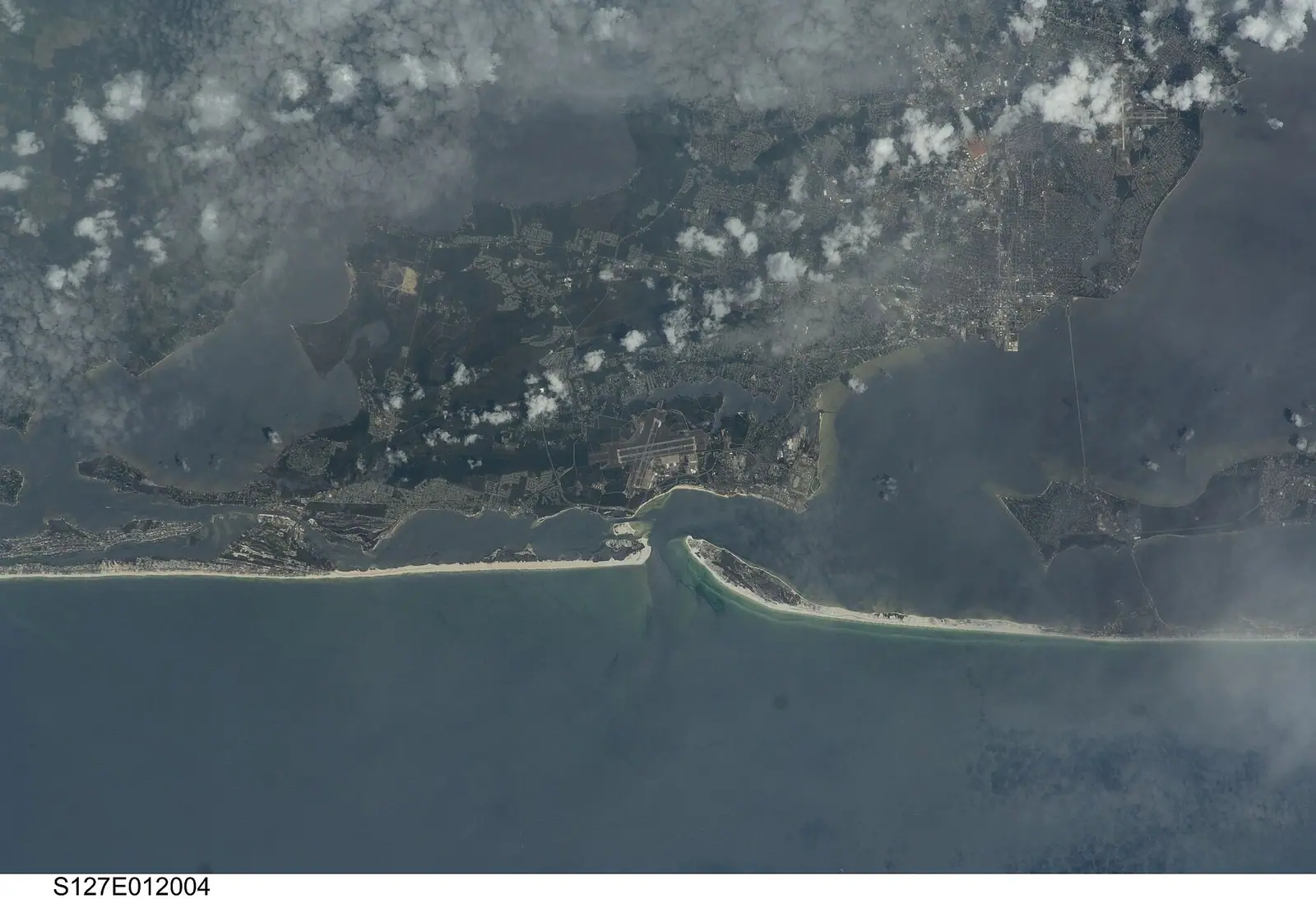
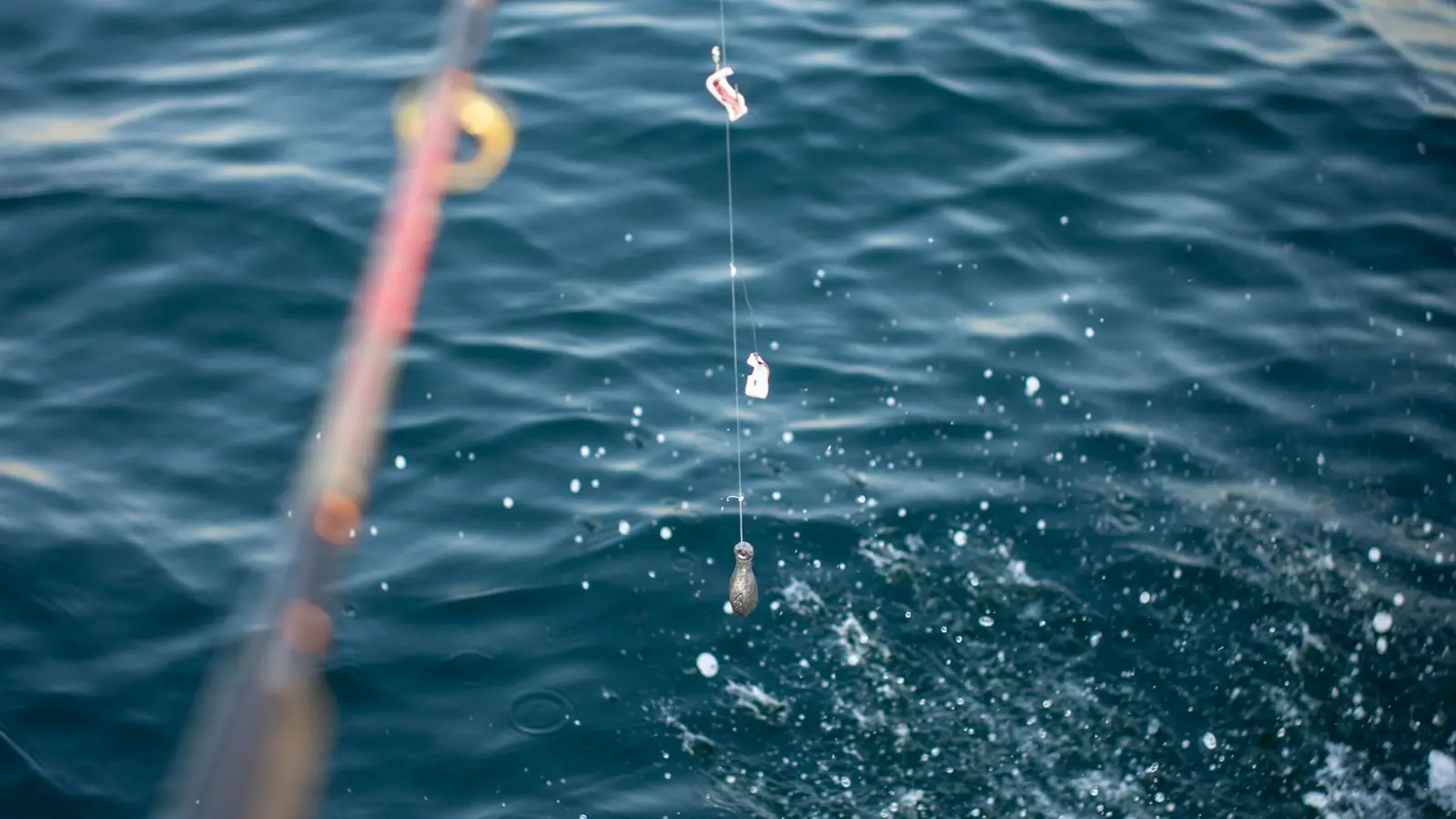
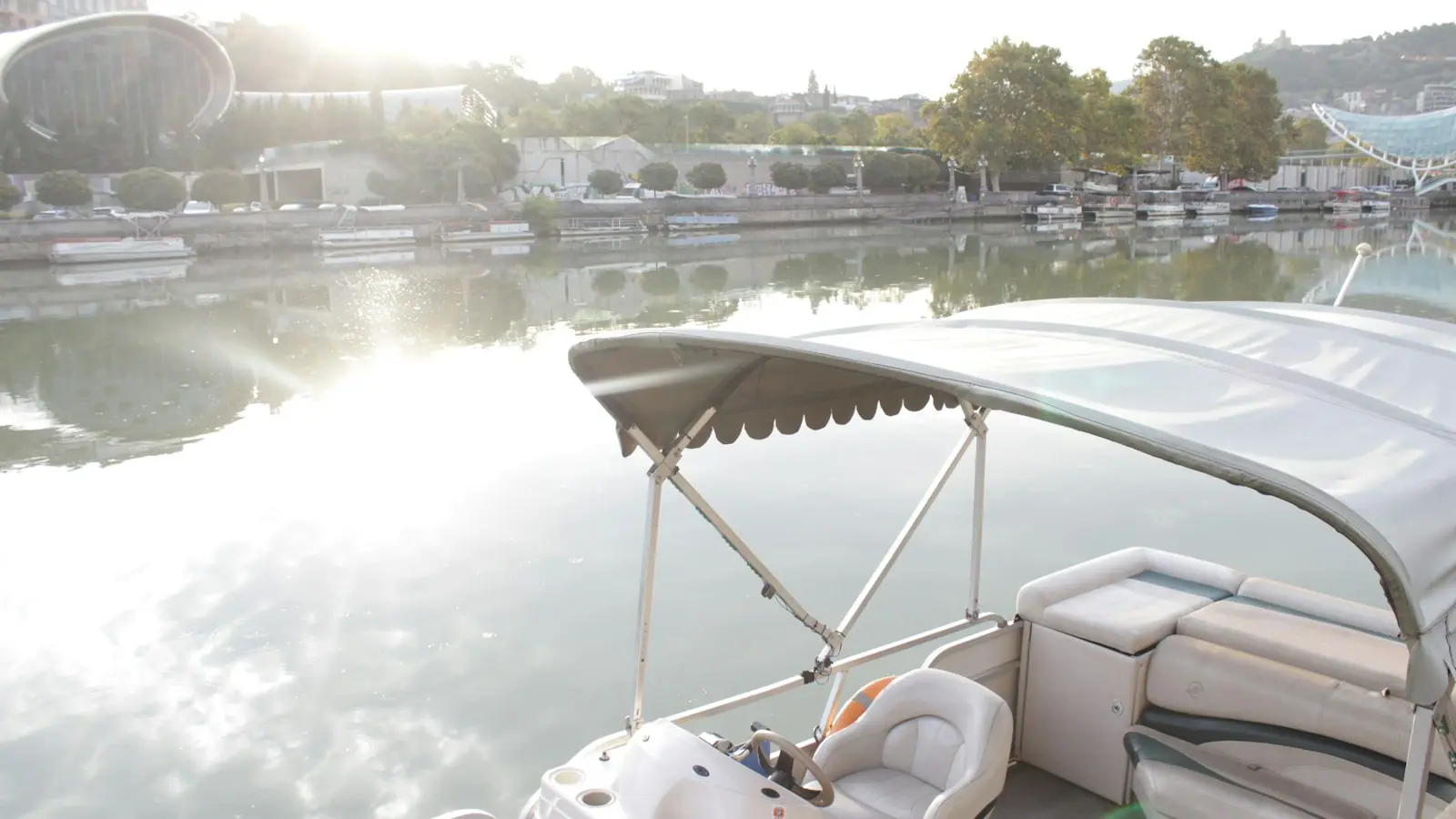
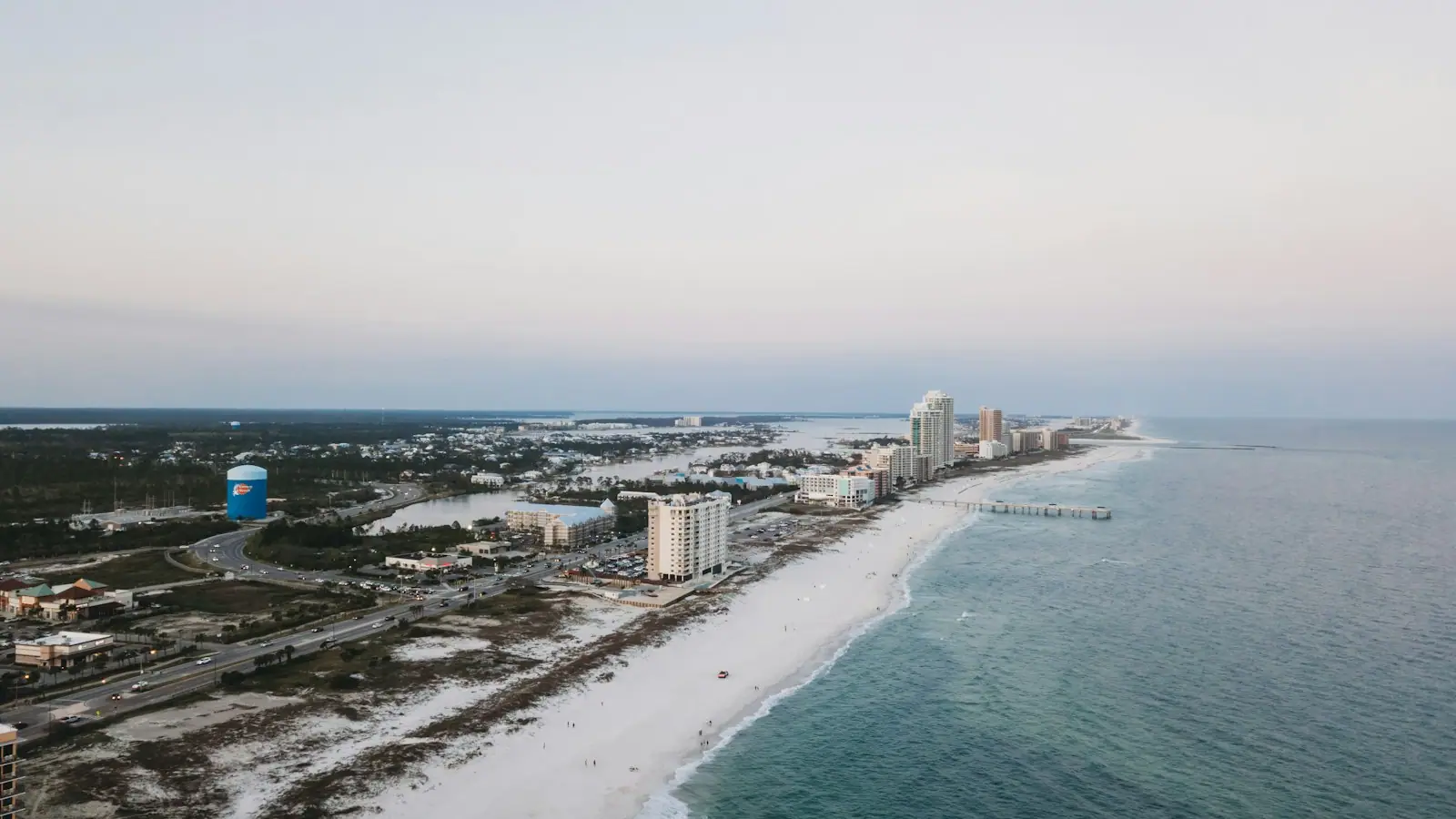
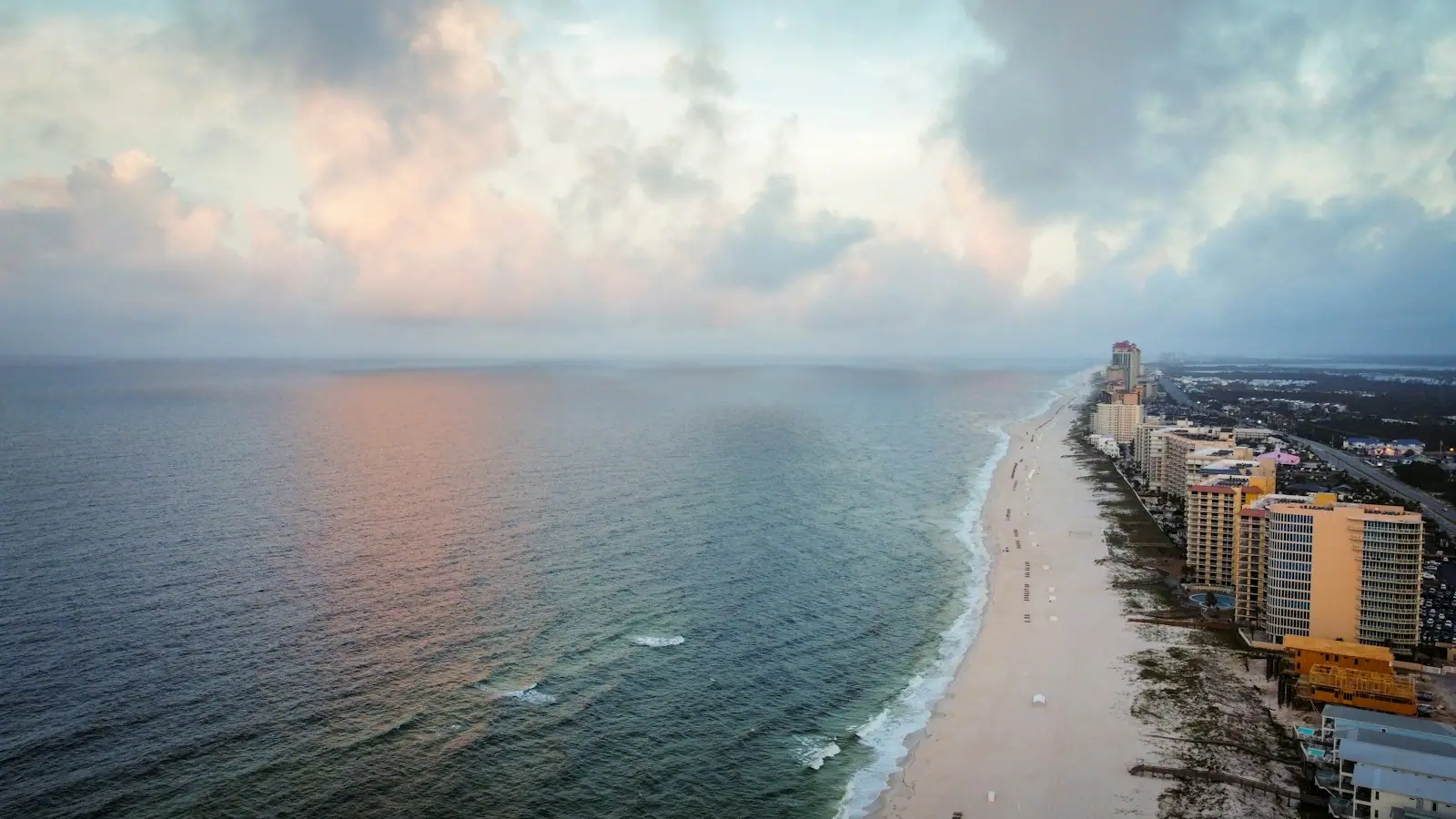
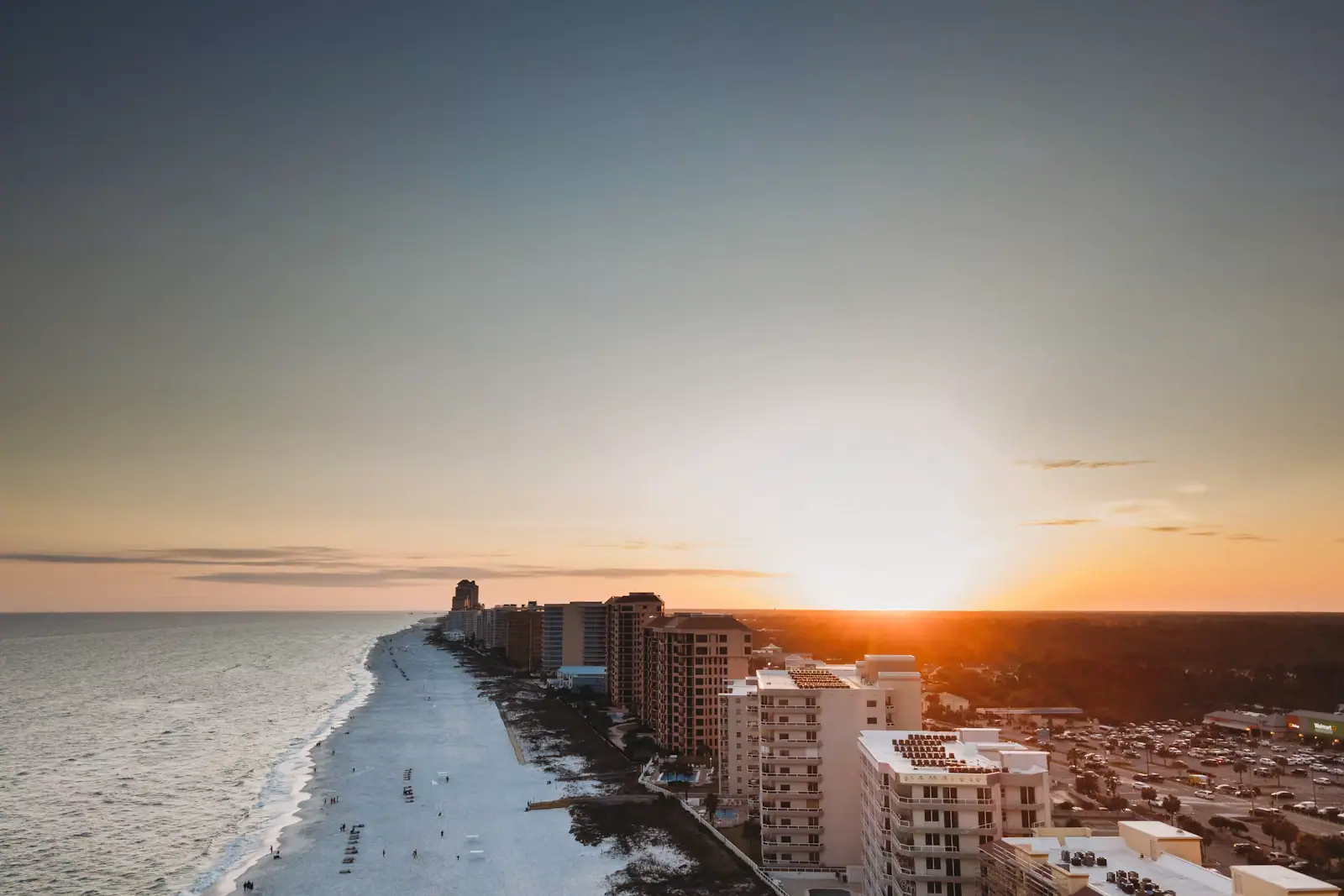
The fleet lives in the marinas clustered around Perdido Pass at the eastern end of Orange Beach, and it is the reason a lot of people come to Alabama at all. What makes the fishing good is not luck. Alabama built it: the state runs one of the largest artificial reef programmes in American waters, and thousands of square miles of sunk structure off this coast turned flat sand bottom into habitat that holds red snapper, grouper, amberjack, triggerfish and king mackerel.
Three shapes of trip, and they are not variations of each other.
Inshore and bay trips, typically four hours, stay in the back bays and around the pass for speckled trout, redfish and flounder. This is the right trip for children, for anyone unsure about seasickness, and for a first time. The boat is smaller, the water is flat and you are never far from land.
Offshore trips, six to twelve hours, run out to the reef zones. This is where the snapper are and where the money is. Expect a real sea state, expect to be committed for the duration, and expect the cost to be quoted for the boat rather than per person.
Party boats, sometimes called head boats, sell individual seats on a larger vessel. Per head they are by far the cheapest way to fish offshore, you share the rail with twenty strangers, and for a lot of families that is a perfectly good introduction.
Booking is a phone call. Ring two or three docks, ask what they are catching this week rather than what they advertise, ask what is in season federally for your dates, ask whether the licence is covered by the charter, and ask what happens if the weather cancels. Deposits are normal. Tipping the deckhand is expected. And if somebody in your party is prone to motion sickness, take the medication the night before rather than at the dock.