Skip to content
Search
Menu

These bookings go through Viator, and we are paid for them. Your price is the same, and the payment had nothing to do with the picks.

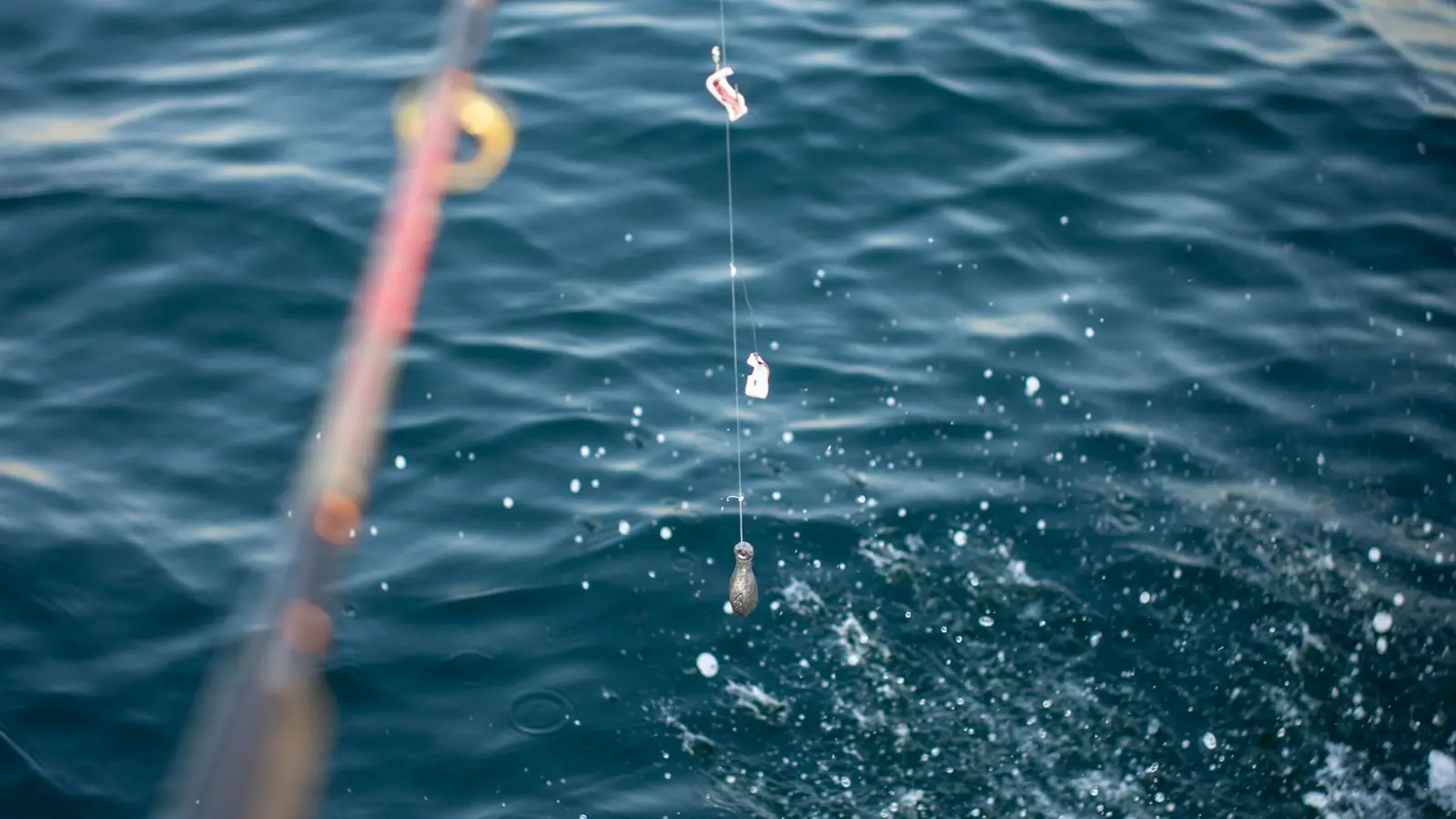
A fishing rod angled out over deep blue offshore water
Unsplash

Tours

Fishing Charters: Alabama Built This Fishery

Last updated

How charter fishing works in Gulf Shores and Orange Beach: Alabama's artificial reef zones, the state red snapper season, Snapper Check and booking direct.

The seabed off Alabama is mud and sand. That sounds like bad news for anyone who came here to catch a reef fish, and for most of recorded history it was: without hard structure there is nowhere for snapper, grouper or triggerfish to hold, and a boat could run twenty miles offshore and find nothing worth stopping for. What changed is that the state decided to manufacture the habitat. Starting in the 1950s and accelerating enormously since, Alabama has been dropping concrete pyramids, bridge rubble, army tanks, culverts, barges and whole scuttled vessels into permitted zones out in front of these beaches. Those zones now cover something in the order of a thousand square miles of Gulf bottom, and the state describes the programme as the largest in the country.

The consequence is a fishery that behaves nothing like its geography suggests. A charter leaving Orange Beach is not running to a distant natural ledge; it is running to a numbered piece of structure that somebody put there, often within ten to thirty miles of the pass, and there are thousands of them. It is also why Alabama, with the shortest coastline of any Gulf state, argues hard about red snapper quota every single year. The fish are there because the reefs are there.

That fight matters to your holiday, because Alabama now runs its own red snapper season for private boats and state-licensed charters rather than simply following a federal calendar. In 2026 that season opened on Friday 22 May and was set to run seven days a week until the state's quota was landed, against a private angler allocation of 664,552 pounds. Federally permitted charter boats operate on a separate federal season with different dates. Nobody expects a visitor to track this. The practical version is one question to ask when you ring a boat: which season are you fishing under, and can we keep snapper on the day I want to go?

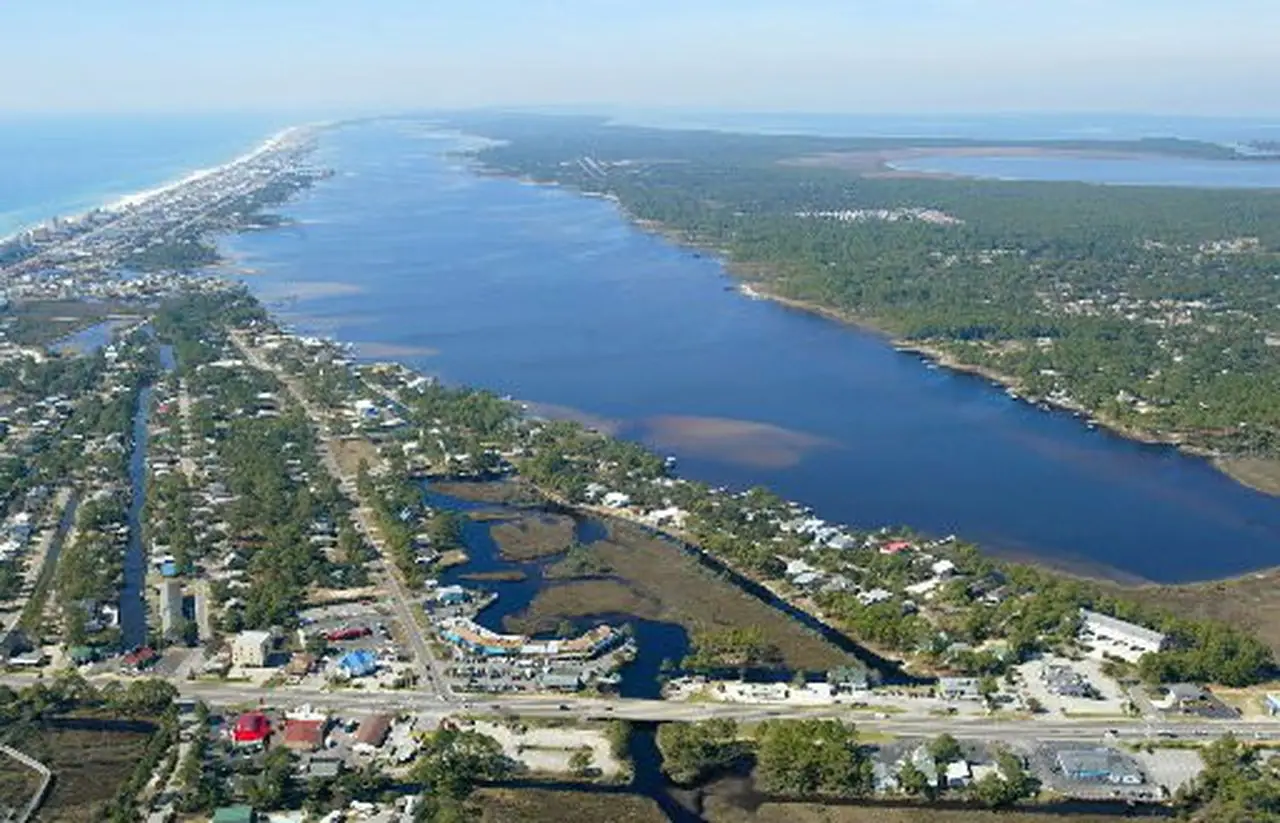
Almost all of the fleet is in Orange Beach. Perdido Pass is the only quick way from the docks to the Gulf at this end of the coast, so the charter business clusters around it — Zeke's Landing, Orange Beach Marina, SanRoc Cay, the Wharf's marina and the smaller docks behind them. If you are staying in Gulf Shores or out on Fort Morgan, factor in the drive, because a six o'clock check-in is a five o'clock alarm.

One more thing separates this place from the Florida coast next door. When you come back in, the law requires a landing report. Alabama's Snapper Check is not paperwork the captain files at leisure: the report goes in before the fish comes off the boat. On a charter that is the captain's job, and it is worth watching once, because it is the bit of the system that funds the reefs you just fished.
A thousand square miles of built bottom

The reef zones are the reason to fish here rather than somewhere with prettier water.

Alabama's permitted artificial reef areas cover roughly 1,060 square miles of Gulf floor in front of Baldwin and Mobile counties, and the state has kept expanding them, adding around 110 square miles across new zones in recent years. Inside those boundaries, public reefs are deployed by the state and their coordinates are published, while thousands more were dropped privately and are not. Captains guard numbers the way restaurants guard recipes.

What is down there is deliberately varied. Concrete pyramids in clusters, limestone and bridge rubble, decommissioned military vehicles, and larger vessels sunk intact to hold bigger fish higher in the water column. A pyramid field twenty miles out might sit in 90 to 120 feet; the deeper structure further south holds amberjack and grouper.

Two practical consequences for a visiting angler. First, distance is a choice rather than a necessity: there is productive structure close enough for a four-hour trip, which is why half-day snapper fishing is realistic here in a way it is not everywhere. Second, the numbers are the product. When you book a boat you are buying a captain's list of spots and their judgement about which ones are holding fish this week, not just the seat.

The state's own surveys have put the red snapper population off Alabama in the millions. That is a built number, not a natural one.

Two snapper seasons, and which one your boat is on

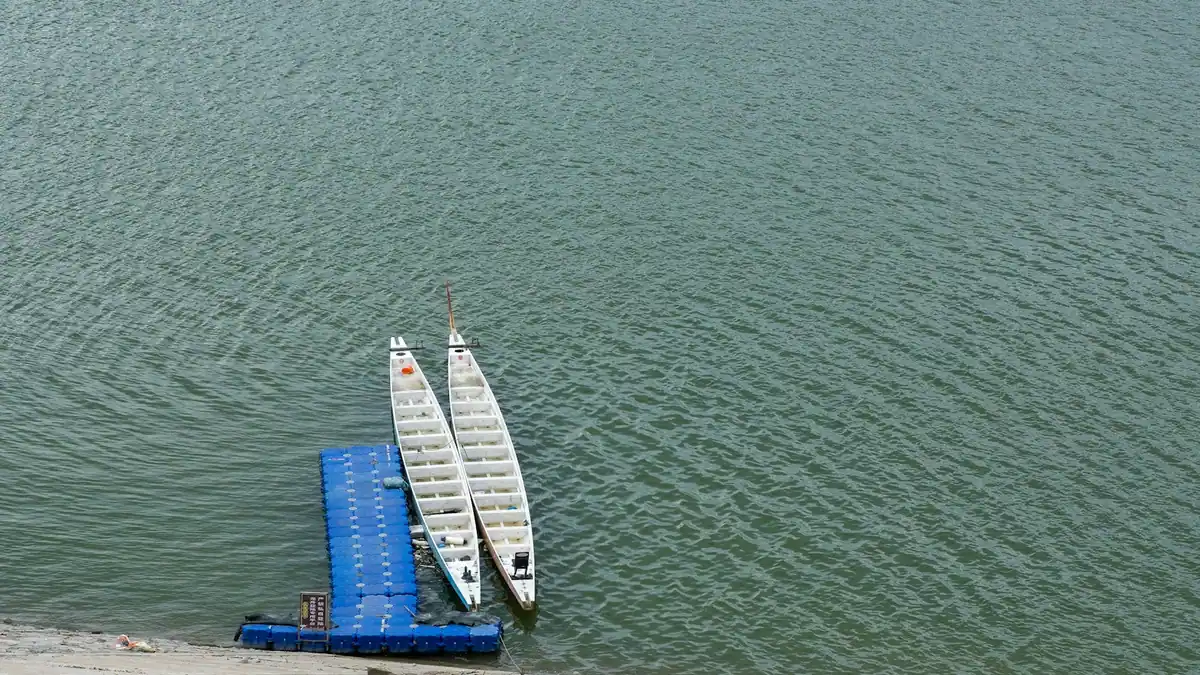
Two white boats moored alongside a floating dock in calm waterUnsplash
Two white boats moored alongside a floating dock in calm water

When to go

This confuses more visitors than anything else on the coast, so here is the shape of it.

Alabama manages a season for private boats and state-licensed charter vessels. In 2026 that opened on Friday 22 May, ran seven days a week, and was scheduled to continue until the state landed its quota — 664,552 pounds for private anglers that year. Because it closes on poundage rather than a fixed date, the end of the season moves.

Federally permitted charter boats fish a separate federal season set by NOAA, usually a fixed block of summer days. A federally permitted boat can generally take you snapper fishing on federal dates regardless of what the state season is doing, which in some years is an advantage and in others is not.

So the question to ask is simply whether the boat holds a federal reef fish permit, and what that means for the date you want. A good dock will answer in one sentence.

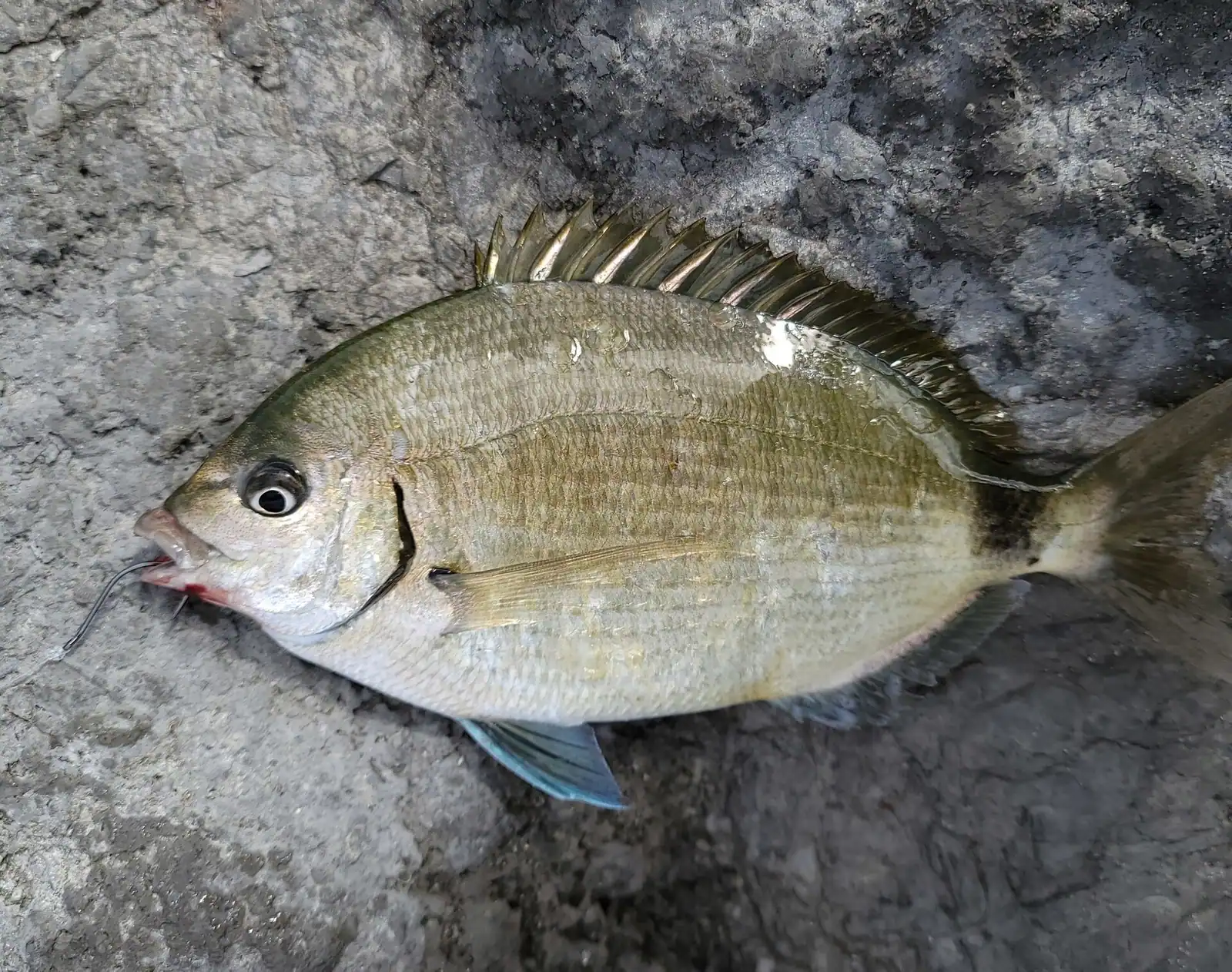
Everything else has its own calendar. Greater amberjack and gray triggerfish open and close on their own schedules and have their own reporting requirements. Cobia run past in spring. King mackerel and Spanish mackerel are a summer nearshore fishery. Inshore species — speckled trout, redfish, flounder, sheepshead — are fishable essentially all year, and if snapper is closed when you visit, this is the trip to take instead rather than the trip to skip.

Regulations change annually. Confirm the current season, bag and size limits with the Alabama Marine Resources Division before you plan a holiday around keeping a fish.

Where the boats are, and how you actually book one

There is no central booking counter for this fleet, and that is the single most useful thing to understand before you start looking.

The docks cluster around Perdido Pass in Orange Beach because it is the only fast route to the Gulf for thirty-two miles. Zeke's Landing is the largest concentration, reported to operate the biggest charter fleet on the Gulf with dozens of boats working off one dock. Orange Beach Marina and SanRoc Cay hold more, and the marina at The Wharf sits further back on the Intracoastal Waterway. Gulf Shores has its own marina on the waterway, useful for inshore trips, but the offshore business is east.

How booking works in practice: you either ring a marina's charter desk and let them match you to a boat, or you ring a captain directly. Both are normal. The marina desk is faster if you do not know what you want, and it is how most of this fleet fills its calendar. A named captain is better if somebody has recommended one to you.

What to settle on the phone, in this order: the date and the season question above; how many people and whether children are aboard; what is included — usually rod, tackle, bait, ice and licence coverage; what is not — almost always food, drink, and the mate's gratuity, which is customary here and typically figured at fifteen to twenty per cent; and the cleaning arrangement for your fish, which is usually a per-fish charge at the dock.

Book further ahead than feels necessary for June and July, and for the week either side of a big tournament. This is a small coast with a finite number of hulls.

Fishing this coast without chartering anything

Local tips

  • The Gulf State Park Pier. About 1,540 feet of structure straight out into the Gulf, the only public Gulf pier in Alabama, open around the clock with a bait shop, cleaning stations and covered seating. Pompano, Spanish mackerel, redfish and flounder come through with the seasons, and in autumn the king mackerel crowd sets up at the far end. Day rates are modest and rod hire is available. Parking is charged separately.
  • The Perdido Pass jetties at Alabama Point. Free, rocky, and productive on a moving tide for sheepshead, redfish and whatever the current brings through. Wear something with grip; the rocks are sharp and slick.
  • Surf fishing the beach. Legal on public beach in both cities, best at dawn and dusk, and often more productive than it looks in the troughs a few yards off the sand. Pompano in spring and autumn are the prize. Check city rules about where lines may be set during turtle season.
  • Little Lagoon. Ten miles of shallow brackish water behind the western beach, reachable from the public launch on Fort Morgan Road. Speckled trout and flounder, best worked from a kayak or a small skiff.
  • Orange Beach Waterfront Park. A free pier on the back bay with a ramp beside it. Sheltered when the Gulf is unfishable, and an easy place to put a child on a rod for an hour.
  • Bayou and bridge fishing. Where the Intracoastal Waterway crosses under the road bridges there is current, structure and usually somebody with a bucket who will tell you what has been biting.

The rodeo, and the tournament calendar

Fishing is not only a service industry here. It is a competitive season with a spectator following, and it will occupy your week whether you enter or not.

The Alabama Deep Sea Fishing Rodeo has been run off Dauphin Island, at the mouth of Mobile Bay, since 1929. It is the oldest saltwater fishing tournament in the country, it takes place over three days in July, and in 2011 Guinness recognised it as the largest of its kind in the world. Thousands of anglers enter across dozens of categories; tens of thousands of people turn up simply to watch fish being weighed. Dauphin Island is a ferry crossing or a long drive from Gulf Shores, but the fleet here empties out for it.

Closer to home, Orange Beach runs a calendar of its own through the summer, with billfish and blue marlin events based at the Wharf's marina drawing large boats and larger crowds to the dock for the weigh-ins. Watching a marlin come off a boat at ten at night under floodlights is free, and it is one of the better evenings on this coast.

The practical consequences are prosaic. Charter availability tightens around tournament weekends, marinas fill, and the restaurants nearest the docks take longer. If you want a quiet boat, look at the calendar first and book the week either side.

Six trips, and who each one is for

How they compare

Rates below are bands advertised on this coast rather than quotes, and most offshore boats are priced per party rather than per person.

TripTypical lengthRough costWhat it gets you
Bay and bayou3–4 hoursAround $400–$600 a boatTrout, redfish, flounder on sheltered water. The choice with small children
Nearshore and pass4 hoursRoughly $600–$900 a boatClose structure, mackerel, sharks, sometimes snapper in season
Half-day reef5–6 hoursCommonly $900–$1,400 a boatReal reef fishing inside about twenty-five miles
Full-day offshore8–10 hoursOften $1,500–$2,500 a boatDeeper structure, amberjack, grouper, a proper day at sea
Extended or overnight12–24 hours+Well above $3,000Tuna, swordfish, the far edge of the shelf. Serious anglers only
Party or head boat4–6 hoursFrequently $80–$150 a headPriced per seat, sociable, no need to fill a boat

The head boat is the underrated option. If there are two of you, chartering a whole vessel makes no arithmetic sense, and a big party boat out of Orange Beach puts you on the same reefs with tackle, bait and a mate to unhook things.

The bay trip is underrated for a different reason. It is the only one on the list that a seasick-prone eight-year-old can finish, and Alabama's back bays fish well.

Licences, Snapper Check and the rules that catch visitors

Before you book

On a licensed charter, you are usually covered. Alabama charter vessels carry a licence that extends to their paying passengers, which is why nobody asks you for a permit as you step aboard. Confirm it when you book rather than assuming, particularly with a small independent operator.

Off a charter, you need your own. A non-resident saltwater fishing licence is required for most shore, pier, kayak and private-boat fishing, sold as annual or short-term trip licences and available online or from tackle shops. Exemptions exist — piers that hold their own licence are the common one, and the Gulf State Park Pier normally covers anglers under its own arrangement — but the exemption belongs to the structure, not to you.

Snapper Check is mandatory. The owner or operator of every vessel landing red snapper in Alabama must file a landing report for that trip before the fish leaves the boat or the boat leaves the water. This applies regardless of which waters the fish came from. Greater amberjack and gray triggerfish carry the same requirement when their seasons are open. On a charter the captain handles it; on a rental boat it is on you, and enforcement at the ramps is real.

Descending devices are required gear. Federal rules require a working descending device or venting tool aboard when reef fish are being targeted in the Gulf, to give released fish that have come up from depth a chance of surviving. Charter boats carry them. If you are fishing off a rental, buy one.

Size and bag limits move. They are reset annually and sometimes mid-season. Check with the Alabama Marine Resources Division rather than relying on last year's memory, or on a page like this one.

On the ground

Where to go

Every place below has its own page — hours, parking, what it costs and what to expect when you get there.

  • Two anglers casting from a concrete pier into open water in the last light of the evening
    Landmark

    Gulf State Park Pier

    1,540 feet of concrete over the Gulf, rebuilt twice after hurricanes, with a three-dollar walking ticket most visitors never notice.

    1–5 hoursTwo tickets: all-day fishing around $10 for an adult, and all-day sightseeing around $3. Children 11 and under are free for both.

  • Aerial view of a narrow tidal pass cut between two low sandy shorelines
    Free
    Beach

    Alabama Point

    Six thousand feet of beach beside the only rock on the Alabama coast, and the fastest water in the state running past the end of it.

    2–7 hoursFree to use. Parking at the state-run east access is charged at the Gulf State Park beach rate, fifteen dollars a day for a car in 2026.

  • Rows of boats moored in a marina basin on flat water in early morning light
    Free
    Neighbourhood

    Orange Beach

    Alabama's other beach city: nine thousand people, a maze of back bays and the only cut from those bays to open Gulf water.

    3–10 hoursFree to visit. Beach parking is charged at both city and state park accesses.

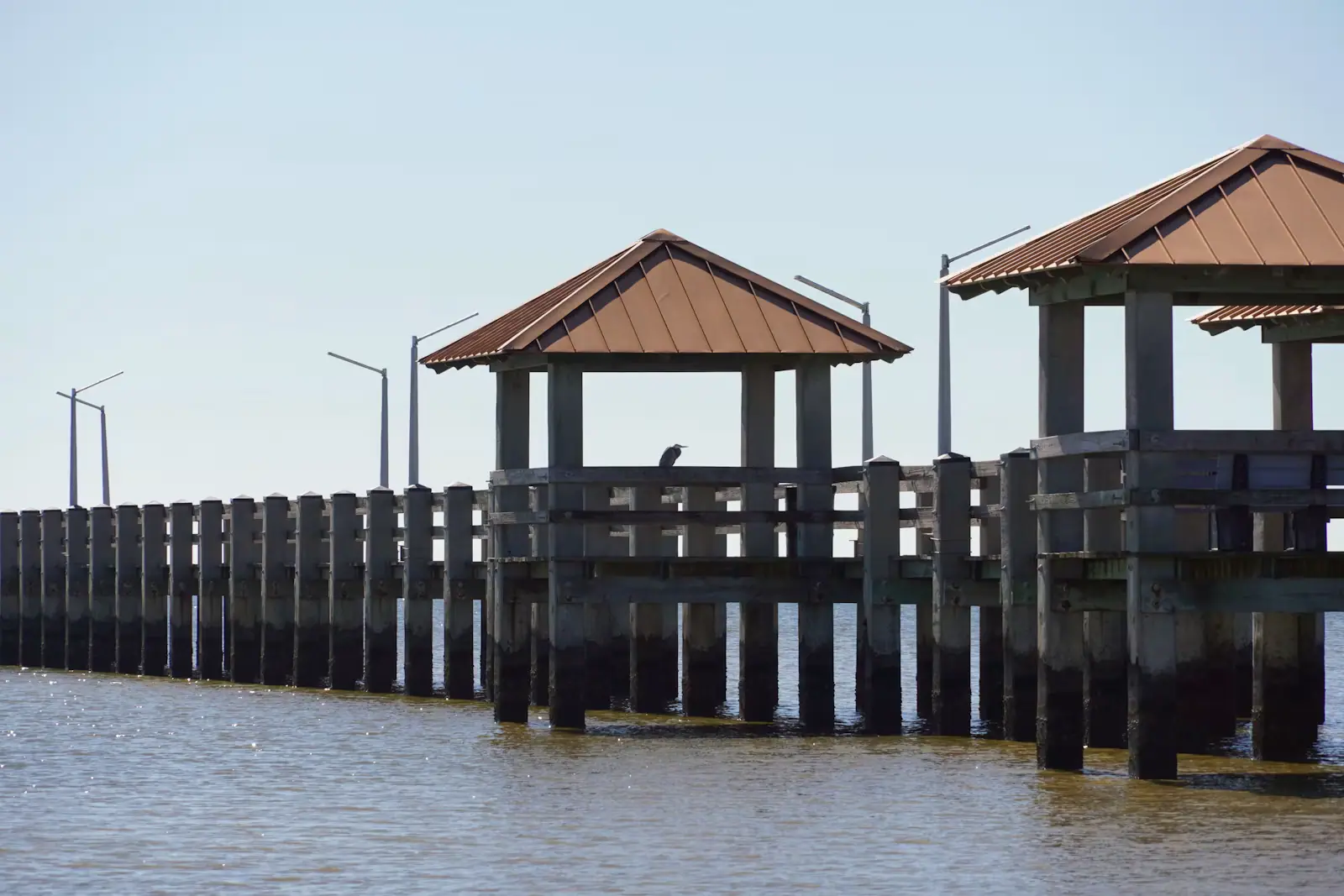
  • A long low fishing pier with covered shelters running out over still bay water
    Free
    Park

    Orange Beach Waterfront Park

    A free bayside park with a four-hundred-foot fishing pier, seven picnic shelters and the best playground on the Alabama coast.

    1–4 hoursFree. No entry charge, no parking charge, no kiosk.

  • Aerial view of a narrow tidal pass cut between two low sandy shorelines
    Free
    Water feature

    Perdido Pass

    The only gap in thirty-two miles of Alabama barrier coast, armoured with granite, and the wrong place to let anyone swim.

    1–3 hoursFree to visit. Parking at the adjoining Gulf State Park beach accesses is charged per vehicle per day.

  • Two anglers casting from a concrete pier into open water in the last light of the evening
    Landmark

    Fort Morgan Fishing Pier

    A bayside pier at the end of the peninsula, rebuilt with oil-spill restoration money after eight years closed.

    1.5–5 hoursAccess to the pier is managed with the Fort Morgan historic site. An Alabama saltwater fishing licence is required to fish.

  • Small boats moored alongside a timber dock and gangway on sheltered water
    Free
    Marina

    Homeport Marina

    Gulf Shores keeps its boats on a canal. Every one of them runs east to Perdido Pass or west to Mobile Bay to reach open water.

    1–4 hoursFree to walk the docks and look. Trips, rentals and slips are priced by the individual operators.

  • Two paddleboarders crossing a wide sheet of flat, pale, mirror-calm water under a soft sky
    Free
    Water feature

    Little Lagoon

    Ten miles of shallow, warm, brackish water behind West Beach, with one public ramp and a pass that eats propellers.

    1.5–5 hoursThe water is free to use. The city charges for parking at Little Lagoon Pass Park, recently around five dollars for up to four hours and ten for a full day.

Straight answers

Questions people actually ask

How much does a fishing charter cost in Gulf Shores?

Offshore boats are usually priced per party rather than per person. Bands advertised on this coast run roughly $400 to $600 for a short bay trip, $900 to $1,400 for a half-day reef trip, and $1,500 to $2,500 for a full day offshore, before fuel surcharges. A seat on a party or head boat is commonly $80 to $150. Expect to add a mate's gratuity of fifteen to twenty per cent and a per-fish cleaning charge at the dock.

When is red snapper season in Alabama?

Alabama runs its own season for private boats and state-licensed charters, and it closes when the state's quota is landed rather than on a fixed date. In 2026 it opened on 22 May, seven days a week, against a private angler quota of 664,552 pounds. Federally permitted charter boats fish a separate federal season. Ask which permit your boat holds, and check the current dates with the Alabama Marine Resources Division before booking.

Why are there so many red snapper off Alabama?

Because the state built the habitat. Alabama's natural seabed is mud and sand with almost no hard structure, so since the 1950s the state has been dropping concrete pyramids, bridge rubble, vehicles and scuttled vessels into permitted reef zones that now cover around 1,060 square miles — the largest artificial reef programme in the United States. The snapper population followed the structure, and state surveys have counted it in the millions.

Do I need a fishing licence on a charter in Alabama?

Usually not. Licensed Alabama charter vessels carry coverage that extends to their paying passengers, so you step aboard with nothing but sunscreen. Confirm it when you book, especially with a small independent boat. If you are fishing from shore, a pier without its own licence, a kayak or a rental boat, you need your own non-resident saltwater licence, which is sold annually or as a short-term trip licence.

What is Snapper Check and do I have to do it?

Snapper Check is Alabama's mandatory landing report. The owner or operator of any vessel landing red snapper must file one report per trip before the fish leaves the boat or the boat leaves the water, whichever comes first, and it applies whatever waters the fish came from. Greater amberjack and gray triggerfish are reportable in their seasons too. On a charter your captain files it. On a rental boat, it is your responsibility.

Can you fish without a boat in Gulf Shores?

Yes, and well. The Gulf State Park Pier runs about 1,540 feet into the Gulf and is the only public Gulf pier in Alabama, open around the clock with bait, rod hire and cleaning stations. The Perdido Pass jetties at Alabama Point fish hard on a moving tide. Surf fishing is legal on public beach in both cities, and Orange Beach Waterfront Park has a free pier on sheltered back-bay water.

Do fishing charters here leave from Gulf Shores or Orange Beach?

Nearly all of them leave from Orange Beach, because Perdido Pass is the only quick route to the Gulf at this end of the coast and the marinas grew up around it. Zeke's Landing, Orange Beach Marina, SanRoc Cay and the Wharf's marina hold most of the fleet. Gulf Shores has a marina on the Intracoastal Waterway that serves inshore trips. Allow driving time for an early check-in.

What is the best time of year to fish Gulf Shores?

For reef fishing, late May through August, when the snapper season is usually open and the Gulf is at its calmest. For quality without crowds, October and November: the water is still warm, king mackerel are running the pier, and the charter fleet has space. Spring brings cobia migrating past and unsettled wind. Winter is inshore season — trout, redfish and sheepshead on the bays, at the lowest rates of the year.