Skip to content
Search
Menu

These bookings go through Viator, and we are paid for them. Your price is the same, and the payment had nothing to do with the picks.

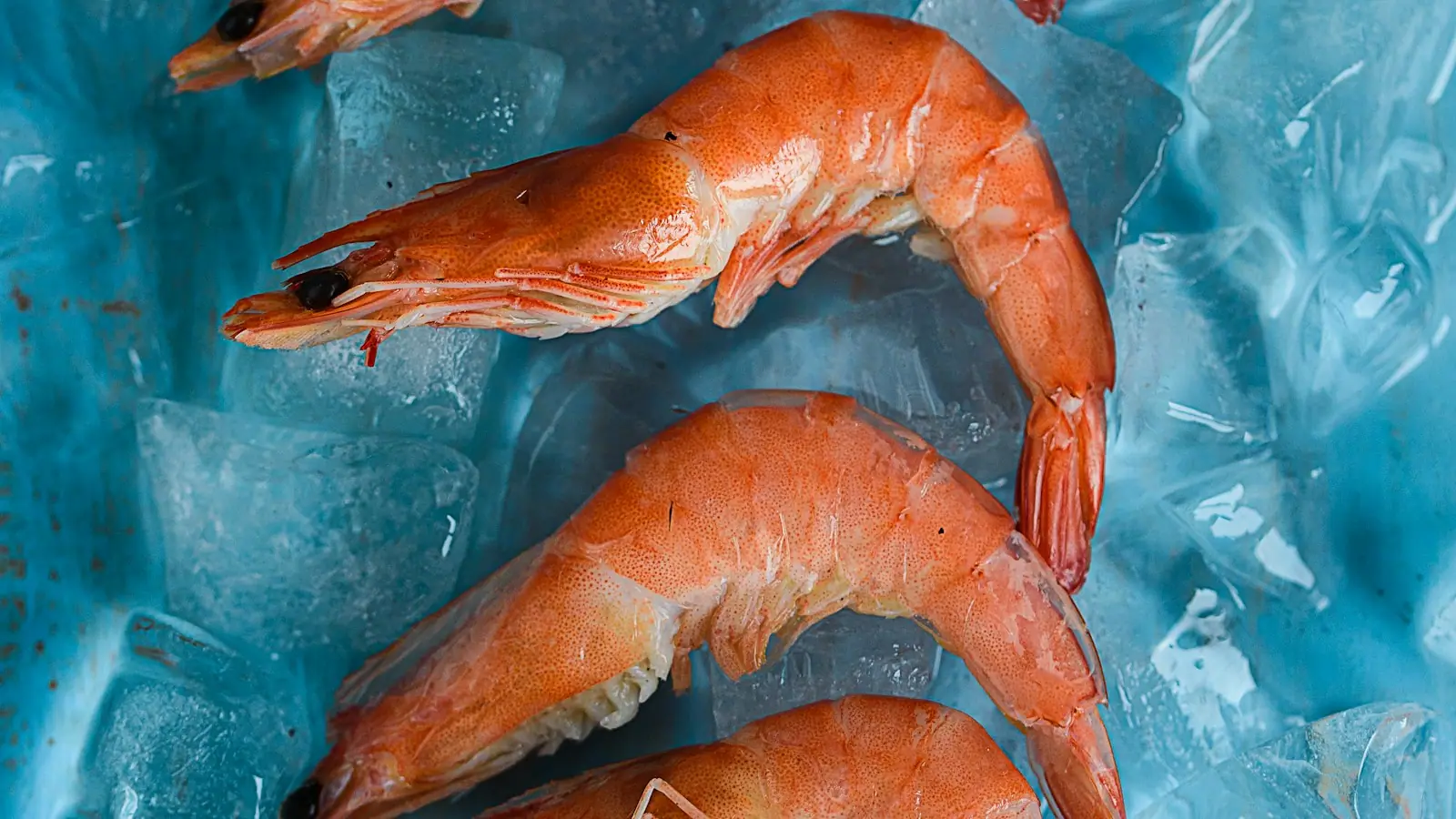
Raw shrimp laid out on crushed ice at a seafood counter
Unsplash

Things to Do

Dining and Seafood: Royal Reds and the Village Behind the Beach

Last updated

What to eat on Alabama's coast: royal red shrimp, West Indies salad, Bon Secour oysters, where to buy seafood for a rental kitchen and when to expect a wait.

Most visitors eat the same three meals here that they would eat at any beach in the Southeast: fried shrimp, a grouper sandwich, and something with blackened seasoning on it. All perfectly good, none of them a reason to have come to Alabama. There are two dishes and one small village that genuinely are, and knowing about them changes a week's eating more than any restaurant ranking will.

The first is royal red shrimp. They are not big white Gulf shrimp with a suntan; they are a different animal entirely, trawled from deep water off this coast at depths commonly given as somewhere between about 1,200 and 2,100 feet, where the cold and the pressure produce a shrimp that is soft, deep red raw, and tastes far closer to lobster than to anything you would normally call shrimp. They also cook in roughly the time it takes to read this sentence twice. Two or three minutes in boiling water and they are done; four and you have ruined them. Any kitchen on this coast that serves them will tell you the same thing, and the good ones serve them simply, steamed or boiled with butter, because there is nothing to improve.

The second is West Indies salad, and it has a birthday. A restaurateur named Bill Bayley made it in 1947 at his place south of Mobile on the Dauphin Island Parkway: lump crab meat, thinly sliced onion, oil and vinegar, chilled for hours and served cold. No mayonnaise, no cooking, no crab cake. It spread along this coast until it became the default way to eat crab in south Alabama, and it appears on menus from Bon Secour to the state line. It is also the single easiest thing on this page to make yourself in a rental kitchen.

The village is Bon Secour, six or seven miles behind the beach on the river of the same name, and it is what this coast was before the towers. Shrimp boats tie up there, there are seafood houses that have been in the same families for generations, and one of them has been processing oysters for over a century. You can buy off the dock. Most visitors never go, which is their loss.

Everything else on this page is practical: where to buy seafood for the condominium kitchen, why Saturday night is the worst night of your week to try to eat out, what closes in January, and what things actually cost. This is a self-catering destination with restaurants attached rather than the other way round, and planning it that way makes the week both better and considerably cheaper.
Royal reds, and how not to ruin them

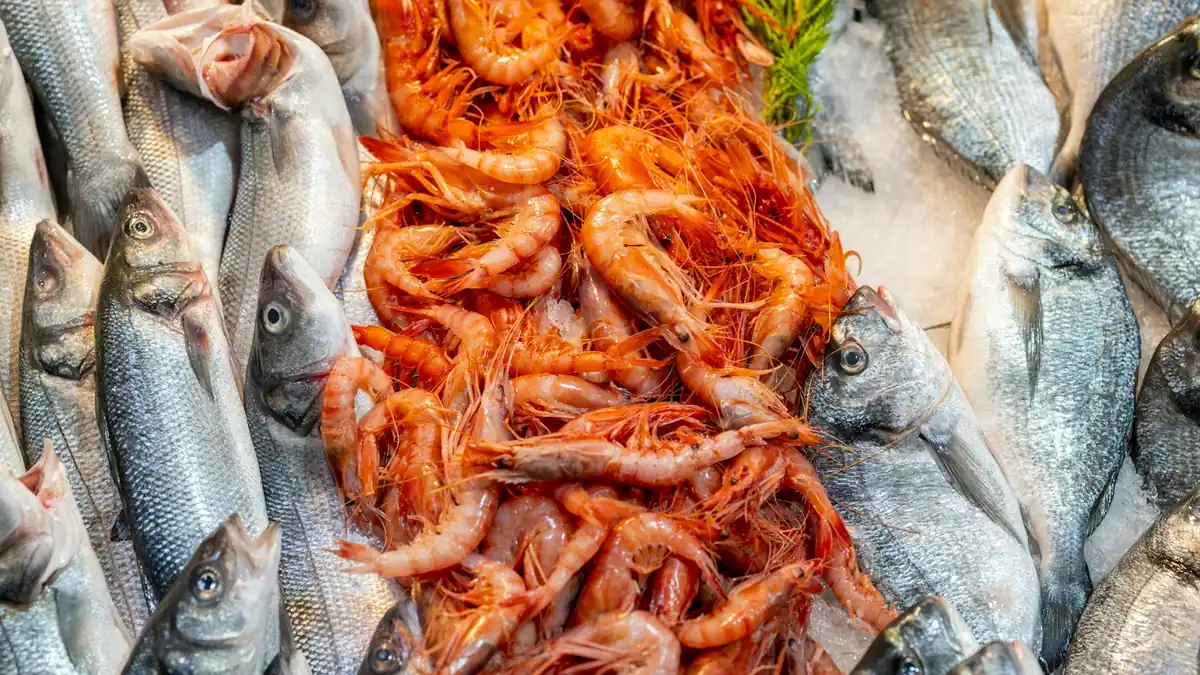
Whole fresh fish laid out on a market tableUnsplash
Whole fresh fish laid out on a market table

Order them at least once, and order them somewhere that treats them properly.

Royal reds come off boats working the deep water south of here, and the depth is the whole story: the species lives in cold, high-pressure water far below the shelf, and the flesh that results is softer, sweeter and considerably richer than the white and brown shrimp landed inshore. Raw, they are already deep red, which confuses people who assume they are looking at something pre-cooked.

Three things to know before you order.

They cook in about two minutes. The single most common way they are spoiled is being treated like ordinary shrimp. Boiled or steamed briefly and served with butter is the standard, and if a menu describes them fried and heavily battered it is worth asking whether the kitchen knows what it has.

They are not available everywhere, all the time. Landings are seasonal and depend on which boats are working deep, so availability varies through the year and between restaurants. Ask; do not assume.

They cost more than white shrimp and should. Treat the price difference as the point rather than a problem.

For a rental kitchen, royal reds are the best thing you can buy here: they need no technique, no marinade and almost no time. Bring them to a rolling boil in salted water, take them out at two to three minutes depending on size, and put out melted butter and lemon. That is the entire recipe, and it beats most restaurant meals on this coast.

West Indies salad: one dish, one inventor, one year

It looks like nothing on the plate: white crab meat, some onion, a slick of dressing, served cold in a small dish. It is the most distinctive thing on the menu.

The recipe was created in 1947 by Bill Bayley at his restaurant on the Dauphin Island Parkway south of Mobile, and the method has barely changed since. Lump crab meat is layered with very thinly sliced onion, dressed with oil and vinegar, and left in the refrigerator for several hours so the onion softens and the dressing works through the crab without cooking it. There is no mayonnaise, nothing is heated, and nothing is added that would disguise the crab.

The reason it matters is that it is genuinely regional. This is not a dish you find generically along the Gulf; it is a south Alabama invention that spread outward from Mobile, and along this coast it turns up as a starter almost everywhere that takes crab seriously. Ordering it is the quickest way to find out whether a kitchen is buying good crab meat, because there is nowhere for bad crab to hide.

Two notes for the self-caterer. It is the easiest thing on this page to make: buy lump crab meat from a seafood market, slice an onion as thinly as you can manage, dress it, and leave it in the fridge from lunch until dinner. And it wants to be made hours ahead, so it suits a day when you are out on a boat and want dinner already handled when you come back sunburnt.

Bon Secour, the working village most visitors drive past

Turn inland from the beach road in Gulf Shores, cross the Intracoastal Waterway and head west, and within fifteen minutes you are somewhere that has almost nothing to do with the coast you just left.

Bon Secour sits on the river of the same name where it opens into Bon Secour Bay, and it is a working seafood community rather than a preserved one. Shrimp boats tie up. Oysters are shucked. The seafood houses along the road are family businesses several generations deep: Bon Secour Fisheries has been in seafood for more than a hundred and ten years across four generations and is described as one of the largest oyster processors and distributors in the country, and there are smaller markets and restaurants around it doing the same work on a smaller scale.

For a visitor, the reasons to go are simple. You can buy shrimp, oysters and fish considerably cheaper and fresher than at a supermarket on Highway 59. You can eat in a small restaurant where the crab in the West Indies salad came from a few miles away. And you get the version of this coast that existed before the condominium towers, which is rarer here than in Florida because two direct hurricane strikes removed much of the evidence elsewhere.

Go in the morning or early afternoon. These are working businesses on working hours rather than tourist ones, and several keep shorter hours in winter. Take a cooler in the car, because a bag of shrimp bought at eleven and left in a hot boot until six is a bad idea.

The refuge is out this way too, so a morning that combines Bon Secour village with the dune trails at Bon Secour National Wildlife Refuge makes a coherent half day.

Buying seafood for the rental kitchen

Local tips

This is a self-catering destination. Most visitors are in a condominium with a kitchen for a full week, which makes the seafood counter more useful than the restaurant list.

  • Where to buy. The seafood houses at Bon Secour for the best combination of price and freshness. Independent markets in Gulf Shores and Orange Beach for convenience. Supermarkets on Highway 59 as a last resort, where you will pay more for less.
  • What is worth buying. Royal reds above everything. Fresh Gulf shrimp, sold by count per pound rather than by vague size names. Oysters, including farmed Alabama oysters grown in floating cages and long lines, which have become a serious local product over the past decade and are cleaner and more uniform than wild ones. Lump crab meat for the West Indies salad.
  • Head-on or headless. Head-on shrimp keep better and make a far better stock; headless are less work. Ask for them to be headed if you want both, and keep the heads for a pot.
  • What to ask. When the boat landed, and whether it is fresh or previously frozen. Nobody at a proper seafood house minds the question, and "previously frozen" is not a fault, particularly for royal reds.
  • Take a cooler. Non-negotiable in summer. The drive back from Bon Secour is twenty minutes and the car interior is a great deal hotter than that.
  • Cooking gear. Rental kitchens are variably equipped. A large pot and a colander cover almost everything on this page; a grill on the balcony covers the rest.

One good arrangement for a week: eat out three nights, cook shrimp twice, do one night of oysters and West Indies salad, and keep the last night for whatever is left in the fridge.

Changeover Saturday, and the waits nobody warns you about

When to go

The eating rhythm here is driven by the rental calendar, and once you see it you can plan around it.

Saturday is changeover day. Most weekly rentals end and begin on a Saturday, which means several thousand families are simultaneously checking out, driving, checking in, and arriving at a condominium with no food in it. Saturday evening is therefore the worst time of the week to try to eat out anywhere good, and the supermarkets on Highway 59 are at their worst too. Do your shopping on the way in, on Saturday afternoon, and eat something simple in the rental that night.

Sunday to Thursday is the good window. Waits are shorter, the better places have tables, and the marina restaurants are at their best on the evenings the offshore boats come in.

Eat early or eat late. The rush in season runs from about six to eight. A table at five thirty or after eight thirty is a different experience in the same room.

Reservations, where they exist, are worth making. Many of the busiest places on this coast do not take them at all, which means the answer is arriving early rather than planning.

Seasonal closures are real. From late November to February a meaningful share of restaurants reduce hours, shut for a month or close for the season entirely. Winter here is lovely and quiet; it is also the time to ring ahead rather than drive somewhere hopefully.

Summer storms empty patios fast. Outdoor seating is common and afternoon thunderstorms arrive quickly. If the sky is building inland, ask for a table inside.

The shape of eating out here

How they compare

Kind of placeWhat it isRoughlyWorth knowing
Beach shackOn the sand or a few steps off it, fried seafood, sandy floor$15–$30 a headThe oldest of them have been in the same family since the 1970s, and gumbo is often the thing to order
Waterway restaurantLarge, family-oriented, on the Intracoastal Waterway with boat parking$20–$40 a headLuLu's in Gulf Shores is the best known; entertainment for children is part of the offer
Seafood houseOysters, royal reds, whole fish, plainly cooked$25–$45 a headWhere to order the things on this page rather than the burger
Marina restaurantAttached to a dock in Orange Beach, busy when boats come in$25–$50 a headBest in the late afternoon when the offshore fleet returns
The WharfResort dining in a purpose-built complex$30–$60 a headReliable, pricier, the fallback for an evening that needs to work
Highway 59Chains and family restaurants inland in Gulf Shores$12–$25 a headUnromantic, functional, and where you go on changeover Saturday
Flora-BamaOyster bar and roadhouse straddling the state line since 1964$15–$35 a headAn institution rather than a restaurant. Loud, crowded, and not primarily about the food

Bands are indicative rather than quoted, and none of these places should be assumed to be open on the day you turn up: hours on this coast are seasonal and several businesses close or cut back hard from late November into February. Check before driving.

On the ground

Where to go

Every place below has its own page — hours, parking, what it costs and what to expect when you get there.

  • An aerial view of an empty pale sand shoreline meeting an unbroken block of dense pine forest
    Free
    Nature preserve

    Bon Secour National Wildlife Refuge

    Alabama's last large stretch of wild coastal dune, walkable on foot only, and protected largely for a nocturnal mouse.

    1–4 hoursFree. There is no entry fee and no parking charge at the refuge trailheads.

  • Rows of boats moored in a marina basin on flat water in early morning light
    Free
    Neighbourhood

    Orange Beach

    Alabama's other beach city: nine thousand people, a maze of back bays and the only cut from those bays to open Gulf water.

    3–10 hoursFree to visit. Beach parking is charged at both city and state park accesses.

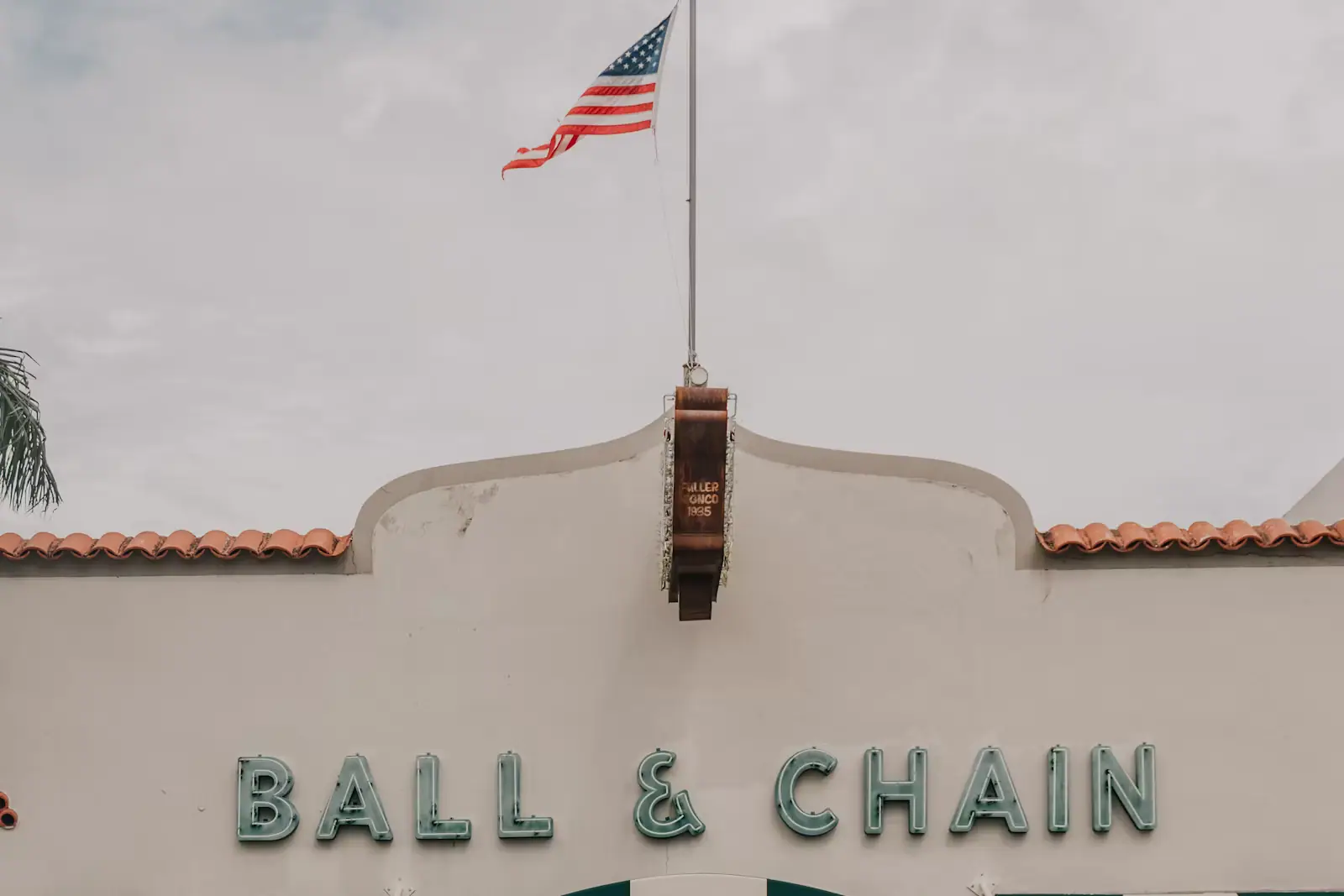
  • A striped awning and painted lettering above a storefront with a US flag on the wall
    Free
    Entertainment

    The Flora-Bama

    On the state line since 1964, with three stages, a November songwriters festival and a competition to throw a dead fish into Alabama.

    1–4 hoursNo general admission charge most of the time. Cover charges and ticketed events apply at some hours and on event weekends.

  • Working fishing boats moored along a harbour dock under a heavy overcast sky
    Free
    Neighbourhood

    Bon Secour

    A river village that has processed Alabama's seafood since the 1890s, fifteen minutes from the beach and a century from the condo towers.

    1–2 hoursFree. There is nothing to pay to drive out here; the point is to buy seafood while you are there.

  • Small boats moored alongside a timber dock and gangway on sheltered water
    Free
    Marina

    Homeport Marina

    Gulf Shores keeps its boats on a canal. Every one of them runs east to Perdido Pass or west to Mobile Bay to reach open water.

    1–4 hoursFree to walk the docks and look. Trips, rentals and slips are priced by the individual operators.

  • An aerial view of a marina basin ringed by docks, moored boats and low waterfront buildings
    Free
    Shopping

    The Wharf

    A 220-acre marina and entertainment complex on the Intracoastal Waterway, with a 112-foot Ferris wheel and an amphitheatre behind it.

    1.5–5 hoursFree to walk around. The Ferris wheel, cinema, adventure attractions and concerts are all ticketed separately.

Straight answers

Questions people actually ask

What food is Gulf Shores known for?

Three things above all. Royal red shrimp, a deepwater species trawled off this coast that eats far closer to lobster than to ordinary shrimp and cooks in about two minutes. West Indies salad, a cold lump-crab dish created near Mobile in 1947 that has become the standard crab starter in south Alabama. And Gulf oysters, increasingly from Alabama's own off-bottom farms rather than wild reefs.

What are royal red shrimp?

A distinct deepwater shrimp landed off Alabama from depths commonly reported between about 1,200 and 2,100 feet. They are already deep red when raw, the flesh is softer and sweeter than white shrimp, and the taste is much closer to lobster. The critical point is cooking time: two to three minutes in boiling water is enough, and a minute longer ruins them. Served simply with butter is the local standard.

What is West Indies salad?

Lump crab meat layered with thinly sliced onion, dressed with oil and vinegar and chilled for several hours before serving cold. No mayonnaise and no cooking. It was created in 1947 by Bill Bayley at his restaurant south of Mobile on the Dauphin Island Parkway and spread along the Alabama coast from there. Because nothing disguises the crab, it is a reliable test of how good a kitchen's seafood buying is.

Where can you buy fresh seafood in Gulf Shores?

The seafood houses in Bon Secour village, fifteen to twenty minutes inland from the beach, give you the best combination of price and freshness, and include businesses that have been shrimping and processing oysters for generations. Independent markets in Gulf Shores and Orange Beach are more convenient. Take a cooler in the car in summer, and ask when the boat landed and whether the shrimp are fresh or previously frozen.

Is Bon Secour worth visiting?

If you want to see what this coast was before the condominium towers, yes. It is a working seafood village on the Bon Secour River rather than a preserved attraction, with shrimp boats, family seafood houses and small restaurants, and one business that has been in seafood for over a century. Go in the morning, buy something to cook, and pair it with the dune trails at Bon Secour National Wildlife Refuge nearby.

Do you need reservations to eat out in Gulf Shores?

Where they are taken, yes, in season. Many of the busiest places do not accept them at all, which makes timing your defence: eat before six or after eight thirty and the same restaurant is a different experience. The night to avoid entirely is Saturday, when weekly rentals turn over and several thousand families arrive, shop and eat out simultaneously. Cook that night instead.

Are restaurants open in Gulf Shores in winter?

Many are, but a meaningful share reduce hours, close for a month or shut for the season from late November into February, and the same applies to the seafood markets and the boat operators. Winter here is quiet and pleasant; it simply requires ringing ahead rather than driving somewhere on the assumption it is trading. Highway 59 in Gulf Shores keeps the most reliable year-round options.

What does eating out cost in Gulf Shores and Orange Beach?

Indicative bands: $12 to $25 a head at the inland family restaurants and chains on Highway 59, $15 to $30 at a beach shack, $25 to $45 at a seafood house or marina restaurant, and $30 to $60 at The Wharf. Royal reds and whole fish sit at the top of any menu they appear on. Cooking two or three nights from a seafood market changes a week's budget substantially.