Skip to content
Search
Menu

These bookings go through Viator, and we are paid for them. Your price is the same, and the payment had nothing to do with the picks.

Small waves running up a wide stretch of pale sand under a bright open sky
Unsplash

Plan your trip

The Best Time to Visit Gulf Shores, Month by Month

Last updated

When to go to Gulf Shores: water temperature by month, the two peak seasons, spring break rules, hurricane season and the weeks locals quietly prefer.

The short answer is May, then late September and October. The long answer is the rest of this page, and it matters more here than it does in most beach destinations because Gulf Shores has two hard peaks with genuinely different characters, and the weeks either side of them cost substantially less for a better version of the same coast.

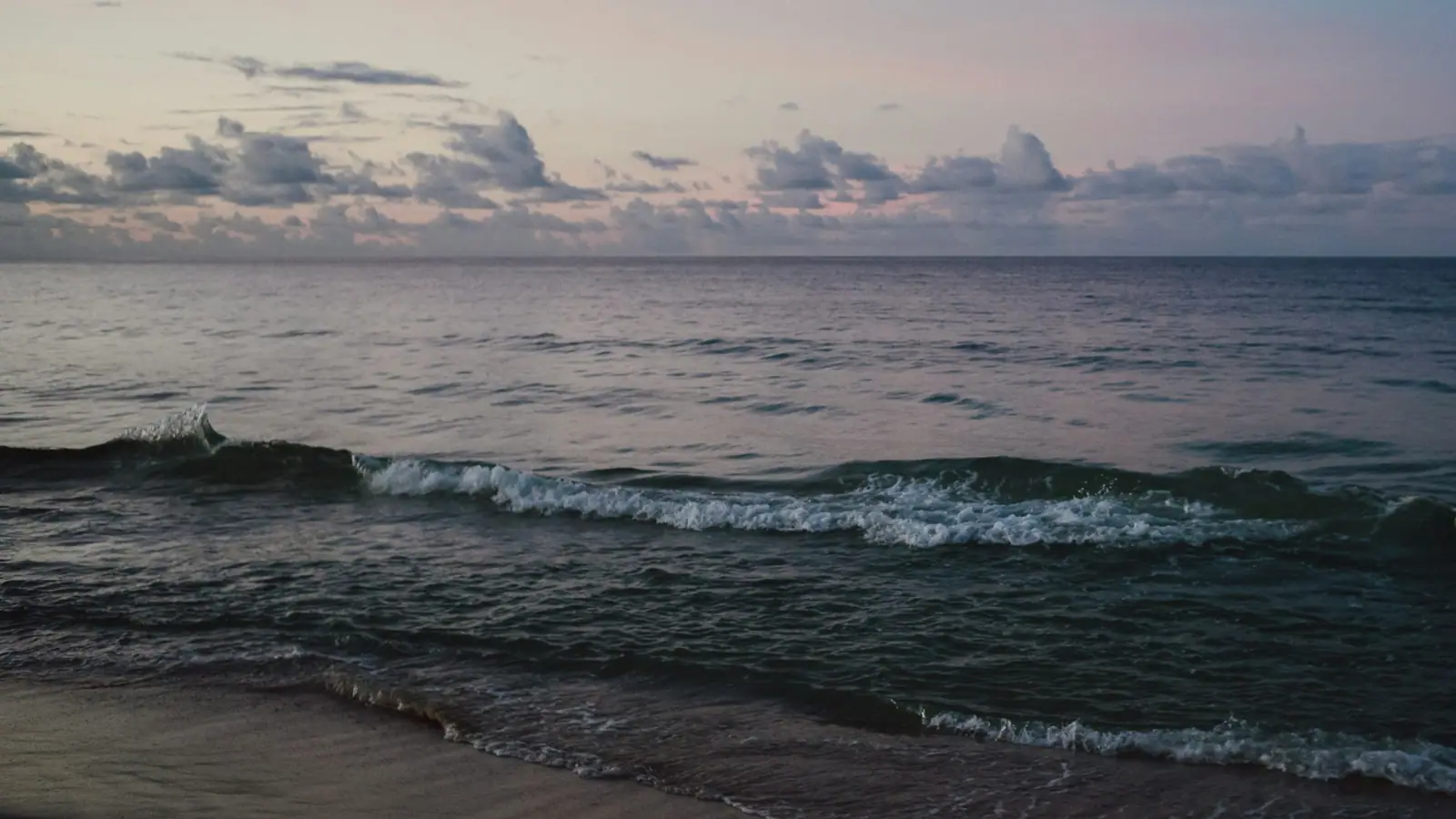
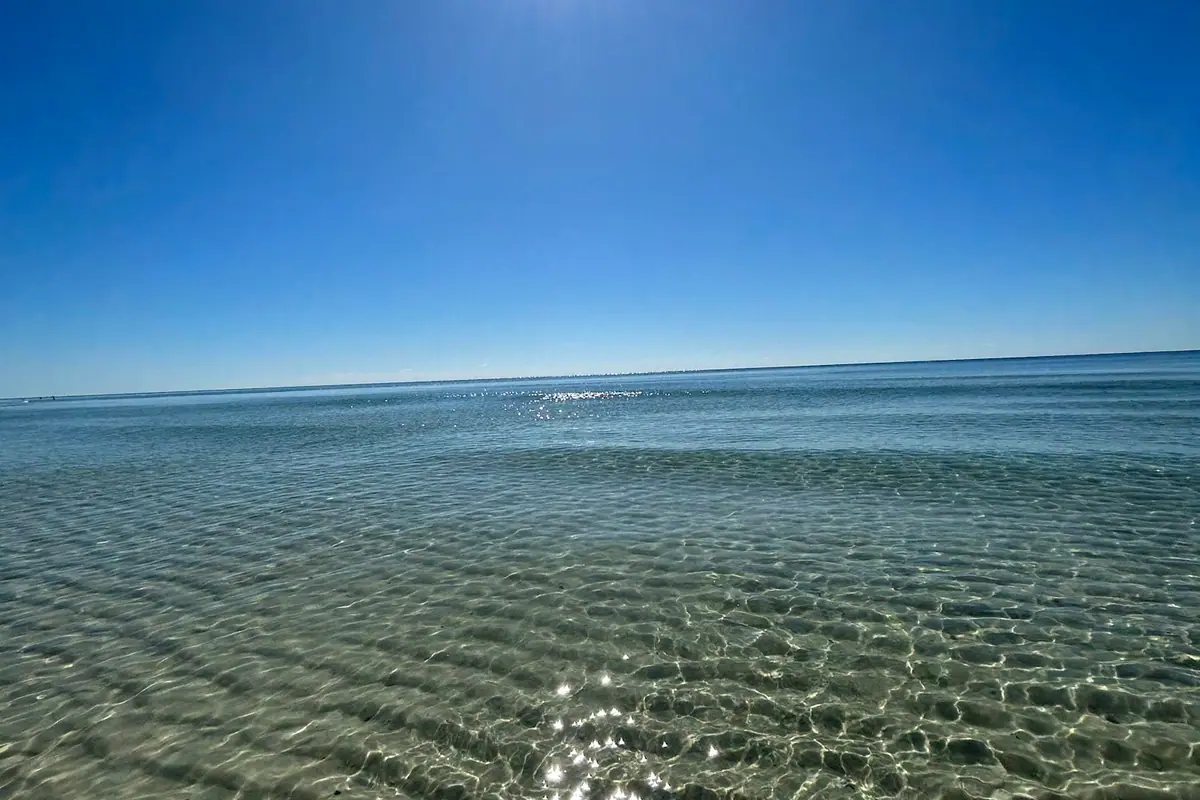
The variable almost nobody checks is water temperature, and it is the one that decides whether a trip works. The Gulf here runs months behind the air. In April the air is close to perfect and the water is around sixty-eight degrees, which is swimmable for children and bracing for adults. In October the air has become pleasant again and the water is still in the high seventies, because a shallow sea takes all summer to heat and is in no hurry to give it back. That asymmetry is why late September and October are the local answer and April is not, even though the air temperature charts make them look similar.

The two peaks are worth naming plainly. Spring break runs through March and into April and it is substantial enough that the City of Gulf Shores prohibits alcohol on its public beaches for the duration; the 2026 order ran from the first of March to the twenty-eighth of April. The family season runs roughly from the middle of June to the first week of August, when the schools are out, every condo is full and the whole coast changes over on a Saturday. Neither is unpleasant. Both are expensive and busy, and if your calendar has any flexibility at all this is where to spend it.

Then there is the honest part. This coast sits inside an active hurricane basin between June and November, and the peak of that window falls in September, which is also when the water is warmest and the beaches emptiest. Two storms have made direct landfall on this coast in living memory, Ivan in September 2004 and Sally in September 2020, and both rearranged the place. That is not a reason to avoid September. It is a reason to buy travel insurance that covers named storms and to watch official forecasts rather than assume.

Finally, check the events calendar for the year you are actually travelling rather than the year the article was written. The Hangout Music Festival, which for years took over the public beach each May, did not run in 2026 and has been approved to return in 2027.

Month by month

When to go

Water temperatures are approximate seasonal averages and vary with wind and year.

MonthWaterCrowdWhat it is like
JanuaryAround 58FVery lowCold, windy, cheap. Long-stay northern visitors. No swimming
FebruaryAround 58-60FVery lowThe same, with the first hints of spring at the end
MarchAround 64FHighSpring break. Alcohol banned on public beaches. Air in the high sixties to low seventies
AprilAround 68FHigh early, easing lateSpring break tails off. The Mullet Toss is late in the month
MayAround 72FModerateThe best month. Warm water, low humidity, schools still in
JuneAround 80FPeakFamily season begins. Afternoon storms start
JulyAround 84FPeakHottest and busiest. Humidity near 77%, feels-like around 100F
AugustAround 86FPeak, then fallingWarmest water of the year. Beaches empty after the schools return
SeptemberAround 82FLowThe local secret: warm water, quiet sand, peak hurricane risk
OctoberAround 74-78FLowThe most pleasant air of the year with swimmable water
NovemberAround 68FLowFronts return. Trails at their best. Paid parking ends on the 30th
DecemberAround 60FVery lowQuiet, cheap, cold water, many seasonal businesses closed

If you want one sentence: come in May for the balance, September for the water, October for the air, and January if you want the beach entirely to yourself and do not intend to get in it.

The two peaks, and what each actually feels like

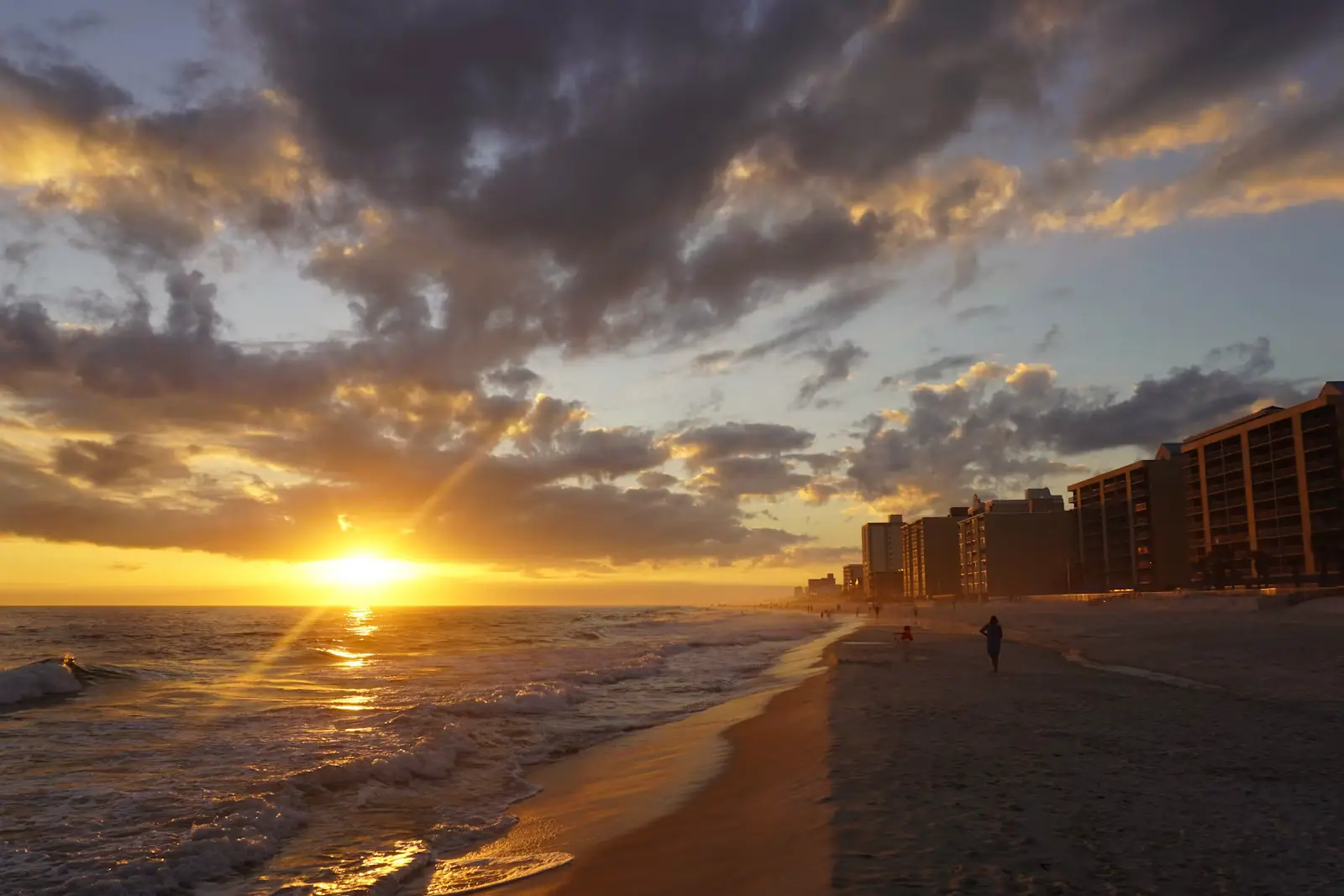
Low sun reflecting across calm open sea seen from the shorelineUnsplash
Low sun reflecting across calm open sea seen from the shoreline

Spring break, March into April. Alabama's beaches draw spring break traffic from across the South, and Gulf Shores has spent years deliberately shaping what that looks like. The most visible measure is the ban on alcohol on public beaches through the window, which in 2026 ran from the first of March to the twenty-eighth of April, with additional policing on the sand and around the rental properties. The result is not a town in chaos; it is a town noticeably younger and louder than usual, with more enforcement than usual, and with the beach itself full on a warm afternoon. Families do come in March, and many have a fine time. Couples looking for quiet should not.

The upside of March is the air: daily highs commonly in the mid to low seventies, dry, and pleasant for walking, cycling and the refuge trails. The downside is that the water is around sixty-four degrees and most people will not swim in it for long.

The family season, mid-June to early August. This is the destination at full volume and doing exactly what it was built for. Every condo is let, most of them Saturday to Saturday, and the whole coast changes over in one day. Restaurants run real waits, the beach accesses fill by mid-morning, and rental rates are at their annual maximum.

It is also, genuinely, the best version of Gulf Shores for a family with school-age children, because everything is open, every operator is running, and the water is at eighty-four degrees. If that is your situation, come in this window, book early and accept the price.

The hinge weeks. The second and third weeks of August, once the Southern school districts have gone back, are the sharpest value on this coast: the water is at its warmest of the entire year and the beaches thin out within days.
Water temperature is the variable nobody checks

Most people plan a beach holiday on air temperature, and on this coast that is the wrong number.

The northern Gulf is shallow, and a shallow sea has a long memory. It takes the whole of spring and summer to warm up and most of autumn to cool down, which produces a lag of roughly two months behind the air. The consequence is that two months with nearly identical air temperatures feel completely different in the water.

April and October are the clearest example. Both give you air in the high seventies. April gives you water around sixty-eight degrees, which children will tolerate for twenty minutes and most adults will not enjoy. October gives you water in the mid to high seventies, which is genuinely comfortable swimming. Same coast, same air, completely different holiday.

At the extremes: August is the warmest water of the year at around eighty-six degrees, which is bath-like and which some people find too warm for cooling off in. January is around fifty-eight, which is not a swimming temperature for anyone without a wetsuit, although you will see people in it.

Two practical implications. If swimming is the point of your trip, weight your dates toward the second half of the year rather than the first. And if you are visiting in April or May, bring a rash vest or a shorty for children, who will otherwise be out of the water in ten minutes and cold for the rest of the morning.

Winter: the version almost nobody books

From December into February this coast belongs to long-stay visitors from the Midwest and Canada, who take monthly condo rates that are a fraction of the summer ones and stay for weeks. It is a completely different destination and it deserves a paragraph rather than a dismissal.

The water is too cold to swim, around fifty-eight to sixty degrees, and the wind off the Gulf makes fifty-five degrees feel colder than the number suggests. A good many seasonal businesses close or cut their hours, and some of the boat operators stop entirely.

What you get in exchange is the beach as a place to walk rather than a place to lie. Thirty-two miles of it, essentially empty, with shells that nobody has picked over and shorebirds that have the sand to themselves. The Backcountry Trail is at its best in January: no heat, no insects, and the wintering birds are in. Bon Secour refuge is the same. The Gulf State Park campground fills with long-stay rigs and has a genuine community to it.

It is also the cheapest version of this coast by a very wide margin, and if your requirement is a quiet week with a view of the water and a coat, it is a serious option that almost nobody considers.

What is on, and what is not

When to go

Check the year you are travelling. This coast's calendar has changed recently.

The Interstate Mullet Toss, late April at the Flora-Bama on the state line, where competitors throw a dead mullet from Florida into Alabama. It draws thousands and the 2026 edition ran from the twenty-fourth to the twenty-sixth of April.

The Hangout Music Festival did not take place in 2026. The producers chose not to proceed and the city has approved a return in 2027. If you have read that Gulf Shores hosts a major beach music festival every May, that is no longer reliably true; check before planning a trip around it.

Sea turtle nesting, May into October. Volunteers from Share the Beach, the patrol founded in 2005, walk the sand at first light. Lighting rules apply to beachfront property after dark through the season.

Paid beach parking runs from the first of March to the thirtieth of November in Gulf Shores, enforced from seven in the morning until two the following morning. December to February it is free, which is one more argument for a winter visit.

Fishing seasons move. Alabama's artificial reef zones make the offshore fishing here significant, and federal red snapper seasons in particular are set annually and are usually short. If a specific fishery is the reason for your trip, check the current dates before you book anything.

Autumn festivals. The Flora-Bama hosts a long-running songwriters' festival later in the year, and the Wharf's amphitheatre programmes through the warmer months. Both publish their own calendars; use those rather than a secondhand list.

Hurricane season, honestly

Before you book

Officially the season opens on 1 June and closes on 30 November. On the Alabama coast the stretch that actually matters runs from the middle of August into the first week or two of October, and September carries the most of it.

This coast has a direct record rather than a theoretical risk. Hurricane Ivan came ashore essentially here in September 2004 and Hurricane Sally in September 2020, and between them they destroyed beachfront buildings, took a section out of the Gulf State Park Pier that was not repaired until 2024, rearranged dune systems and closed businesses permanently. Every concrete tower on stilts along this beach is a response to that history.

What that means for planning is specific rather than alarmist.

Buy travel insurance that names storms. Ordinary policies often exclude weather events once a storm has been named, so buy early rather than when the forecast turns.

Understand the rental cancellation terms before you pay a deposit for a September week. Some management companies operate mandatory-evacuation refund policies and some do not.

Watch official forecasts. The National Hurricane Center rather than social media, and follow Baldwin County emergency instructions if one develops. The county operates a hurricane re-entry pass system for residents, which is worth knowing exists: after an evacuation, getting back onto the island is controlled.

Do not let this stop you booking September. It is the warmest water, the emptiest beaches and the lowest rates of the year, and most Septembers pass without incident. It is a risk to manage, not a reason to avoid.

On the ground

Where to go

Every place below has its own page — hours, parking, what it costs and what to expect when you get there.

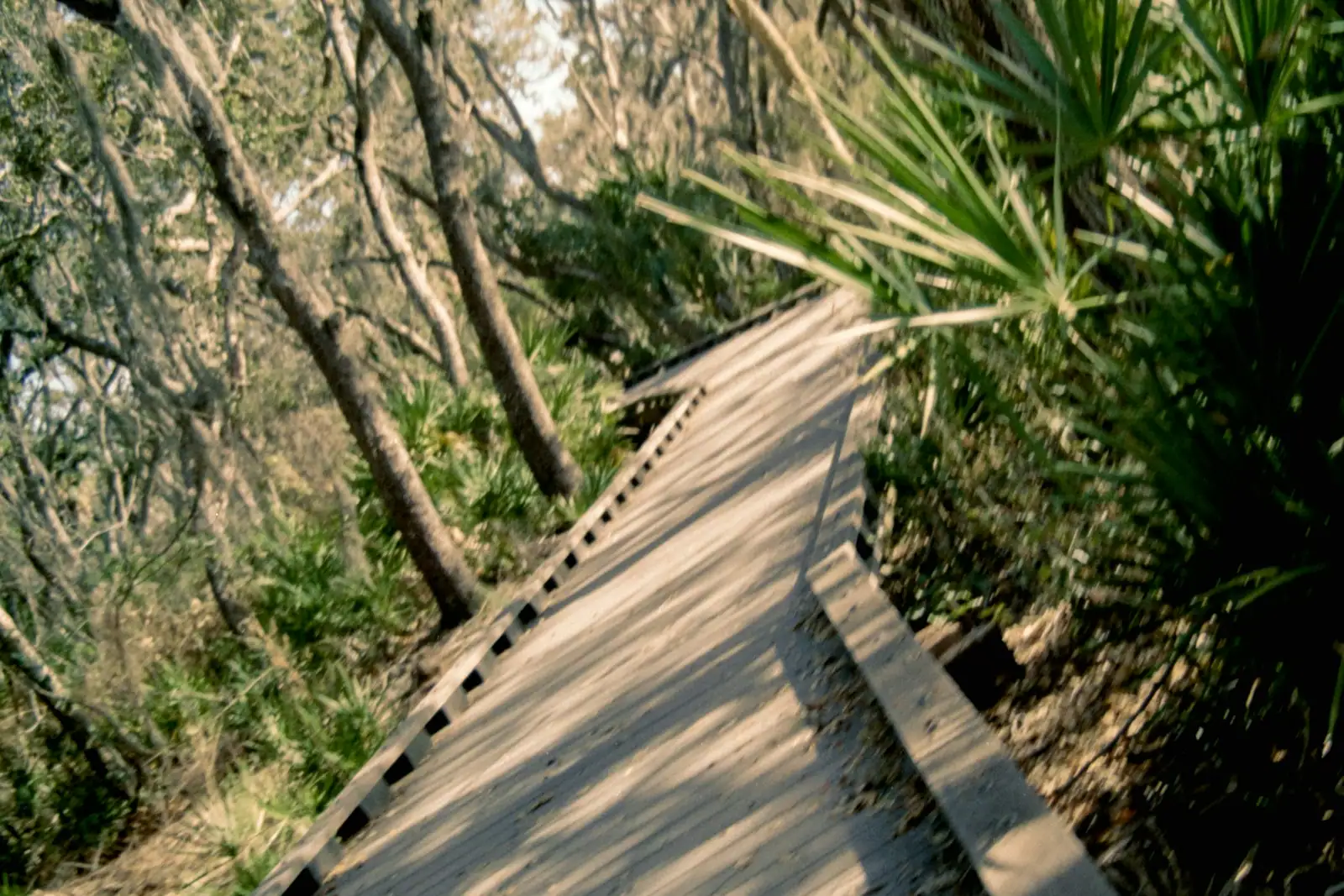
  • A raised timber boardwalk curving through dense green woodland and palmetto
    Park

    Gulf State Park

    Six thousand acres of dune, lake and pine between two beach towns, with 28 miles of paved trail and a village-sized campground.

    2–8 hoursTrails and the Nature Center are free. Parking at the Gulf beach and pier lots is a flat daily rate per vehicle, recently around $15.

  • Two anglers casting from a concrete pier into open water in the last light of the evening
    Landmark

    Gulf State Park Pier

    1,540 feet of concrete over the Gulf, rebuilt twice after hurricanes, with a three-dollar walking ticket most visitors never notice.

    1–5 hoursTwo tickets: all-day fishing around $10 for an adult, and all-day sightseeing around $3. Children 11 and under are free for both.

  • An aerial view of an empty pale sand shoreline meeting an unbroken block of dense pine forest
    Free
    Nature preserve

    Bon Secour National Wildlife Refuge

    Alabama's last large stretch of wild coastal dune, walkable on foot only, and protected largely for a nocturnal mouse.

    1–4 hoursFree. There is no entry fee and no parking charge at the refuge trailheads.

  • Aerial view of bright white sand meeting shallow water that shades from pale green to deep blue
    Free
    Beach

    Gulf Shores Public Beach

    Where Highway 59 runs out of land: pavilions, showers, volleyball nets, The Hangout next door and hourly parking since July 2026.

    2–7 hoursThe beach is free. Parking is not: non-residents pay by the hour through a phone app during the paid season.

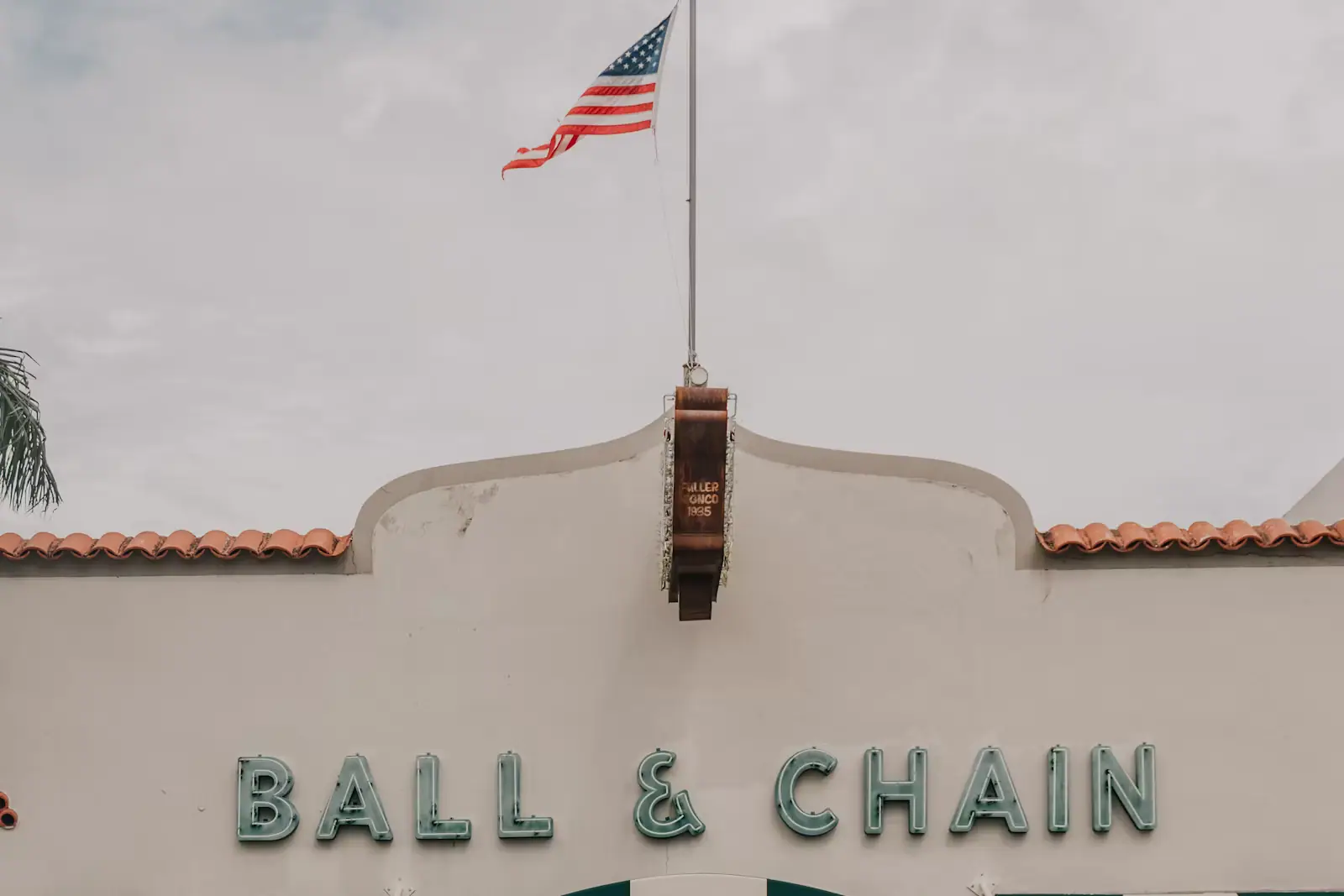
  • A striped awning and painted lettering above a storefront with a US flag on the wall
    Free
    Entertainment

    The Flora-Bama

    On the state line since 1964, with three stages, a November songwriters festival and a competition to throw a dead fish into Alabama.

    1–4 hoursNo general admission charge most of the time. Cover charges and ticketed events apply at some hours and on event weekends.

  • A wide empty stretch of pale sand running away beside shallow clear water with almost nobody on it
    Free
    Beach

    West Beach

    A ribbon of sand with the Gulf on one side and a ten-mile brackish lagoon on the other, reached by numbered street ends.

    1.5–5 hoursThe beach is free. Designated parking spaces at the street ends and at Lagoon Pass Park are charged by the hour in season.

Straight answers

Questions people actually ask

What is the best month to visit Gulf Shores?

May, for the balance of warm water and manageable crowds, or late September and October if you can travel outside school holidays. May gives you water around seventy-two degrees, low humidity and schools still in session. September gives you the emptiest beaches of the year with water still near eighty-two, at the cost of being the peak of hurricane season. October gives you the most pleasant air of the year with water that is still swimmable.

How warm is the water in Gulf Shores?

It lags the air by roughly two months because the northern Gulf is shallow. Approximate averages: about 58F in January, 64F in March, 68F in April, 72F in May, 80F in June, 84F in July, 86F in August and 82F in September, easing into the mid seventies through October. That lag is why October swims better than April despite similar air temperatures, and it is the single most useful number in planning a trip here.

When is spring break in Gulf Shores?

Through March and into April, with the busiest stretch varying as Southern school districts stagger their weeks. The City of Gulf Shores prohibits alcohol on public beaches for the whole window; in 2026 that order ran from 1 March to 28 April, with extra policing on the sand. The air is pleasant, commonly in the low seventies, but the water is around sixty-four degrees. Families do visit; couples looking for quiet should choose a different month.

Is September a good time to visit Gulf Shores?

It is the local answer and it comes with a caveat. The water is at around eighty-two degrees, the beaches empty within days of the schools returning, and rental rates fall noticeably. It is also the most active month of the hurricane season, and this coast has taken direct hits from Ivan in 2004 and Sally in 2020. Book it, but buy travel insurance that covers named storms and read the rental's evacuation refund policy before paying.

When is the cheapest time to go to Gulf Shores?

December through February, by a wide margin, when long-stay visitors from the north take monthly rates and the beach is empty. Beach parking is also free outside the March-to-November season. The trade-off is water around fifty-eight to sixty degrees, wind, and many seasonal businesses closed or on reduced hours. For a cheap week that still allows swimming, the second and third weeks of August are the sharpest value of the year.

How hot does Gulf Shores get in summer?

Air highs sit around eighty-seven degrees in July and August, which sounds moderate until you add humidity that peaks near seventy-seven percent and pushes the feels-like figure toward a hundred. The practical answer is to treat the morning as the day: beach from eight until noon, indoors or in the water through the middle of the afternoon, and back out after five. An afternoon thunderstorm is likely on most summer days.

Is the Hangout Music Festival still happening?

Not in 2026. The producers elected not to proceed with a 2026 event and the city has approved a return in 2027, which means a lot of published advice about a May festival on the Gulf Shores public beach is currently out of date. If the festival is the reason for your trip, confirm current dates on the organisers' own channels. The Flora-Bama's Interstate Mullet Toss in late April remains the coast's reliably annual event.

When do sea turtles nest in Gulf Shores?

May through October, with hatchlings emerging from roughly July onwards. Loggerheads are the common nester here, with occasional green and Kemp's ridley turtles. Share the Beach volunteers, organised since 2005, patrol the sand at first light to find and mark nests. Both Gulf Shores and Orange Beach hold lighting ordinances for beachfront property through the season, and visitors are asked to fill in holes, flatten sandcastles and remove gear at night.