Skip to content
Search
Menu

These bookings go through Viator, and we are paid for them. Your price is the same, and the payment had nothing to do with the picks.

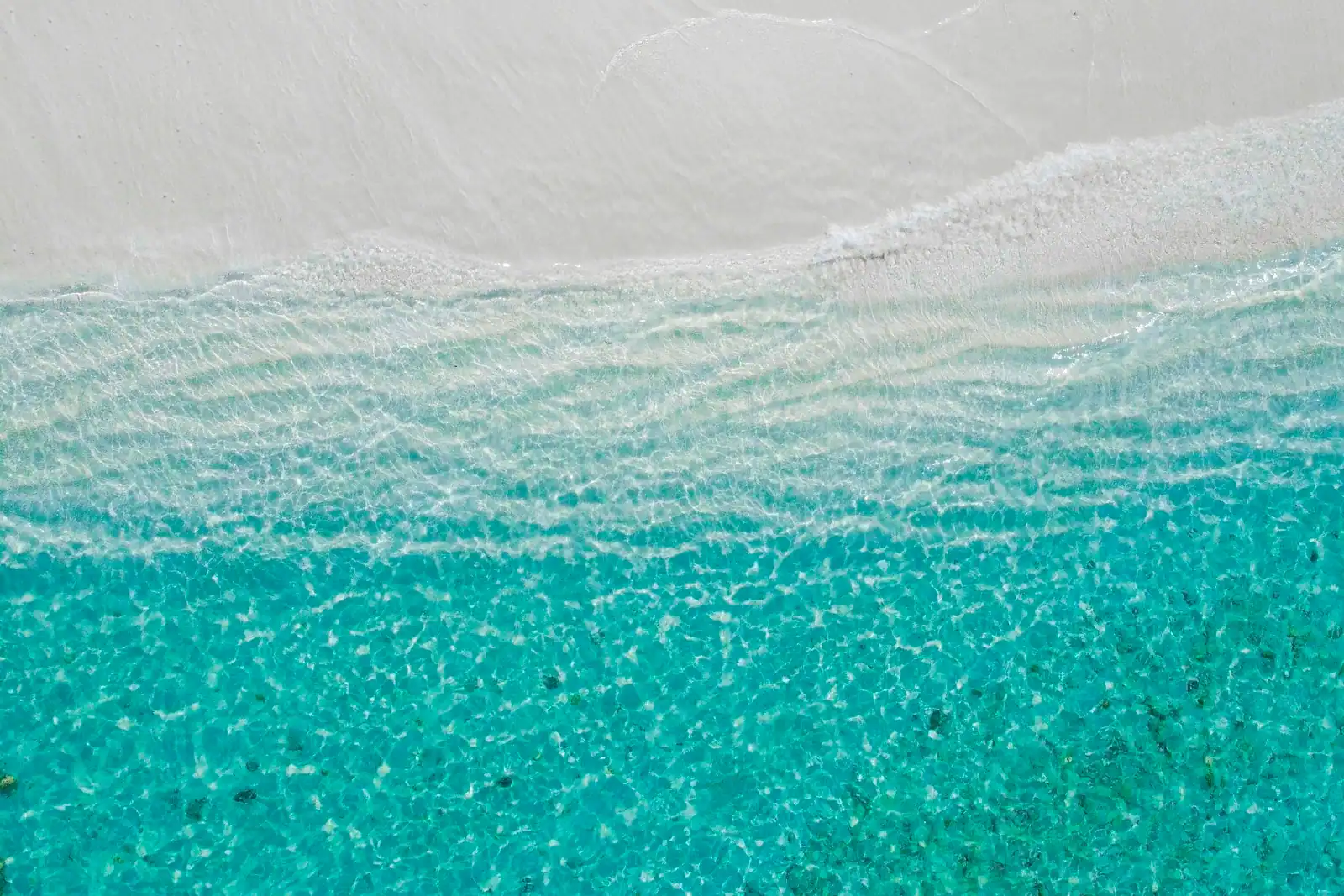
A wide empty stretch of pale sand running away beside shallow clear water with almost nobody on it
cuchulain

Beach

West Beach

Last updated

A ribbon of sand with the Gulf on one side and a ten-mile brackish lagoon on the other, reached by numbered street ends.

Photo: cuchulainCC0

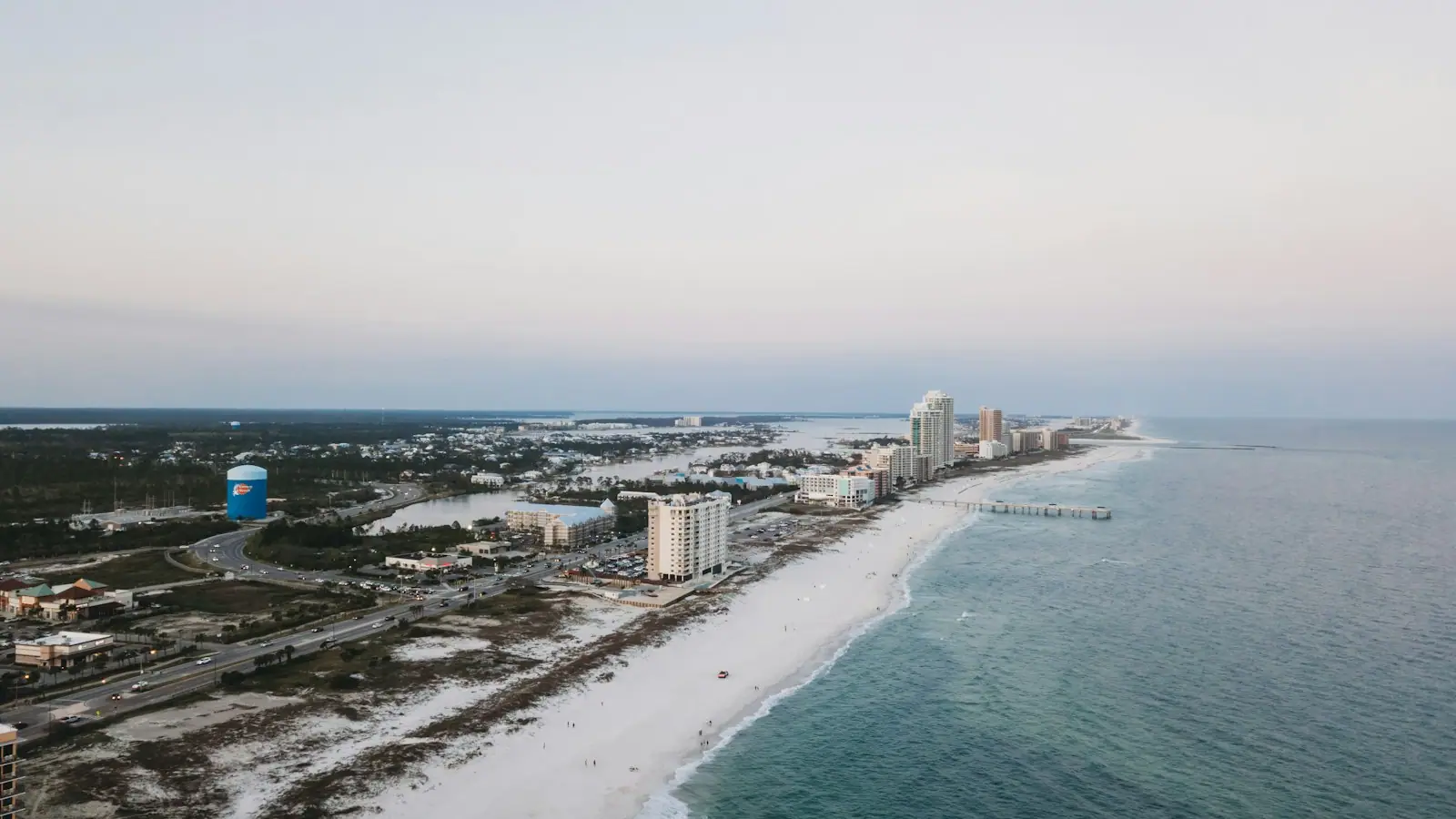
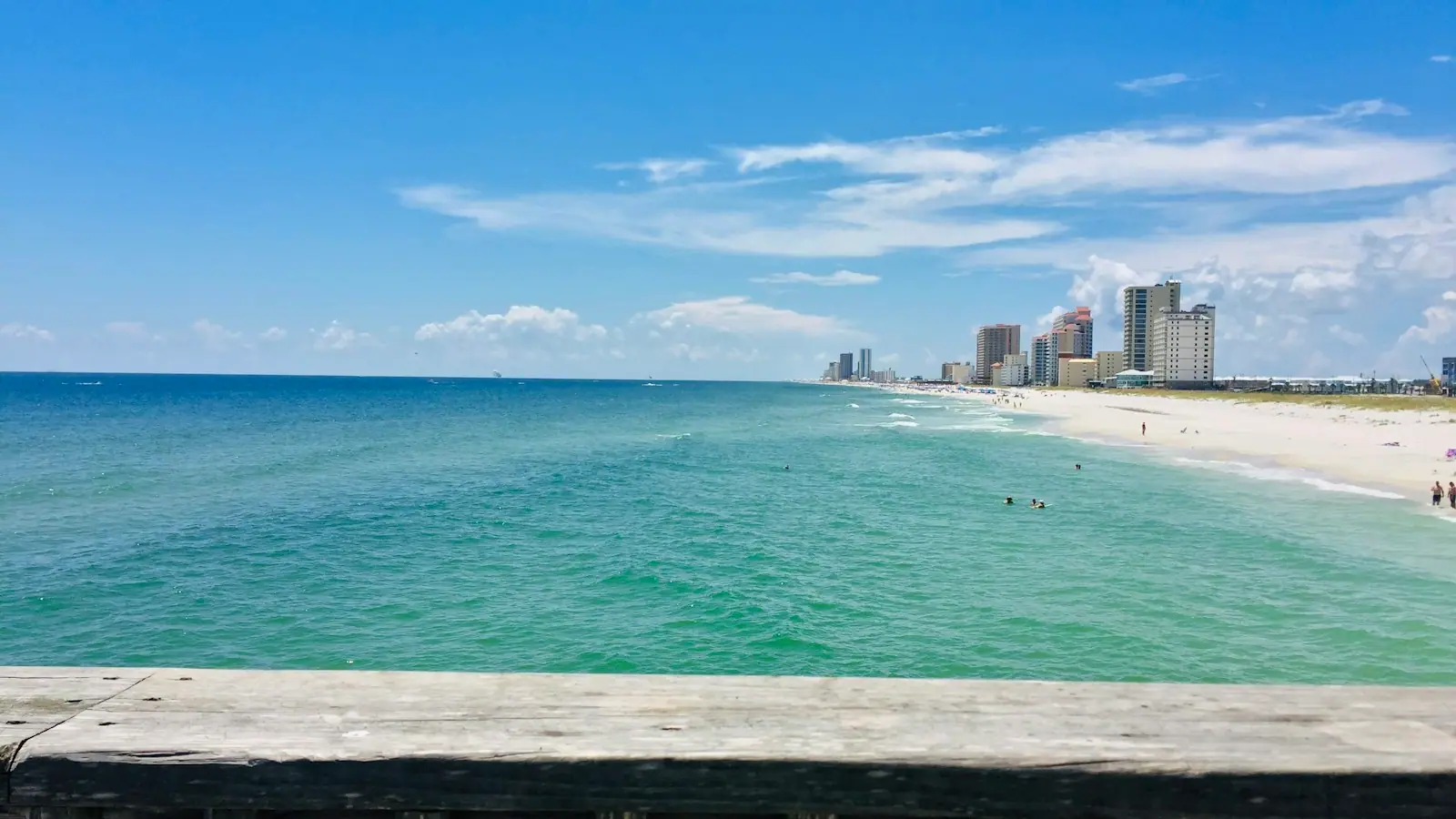
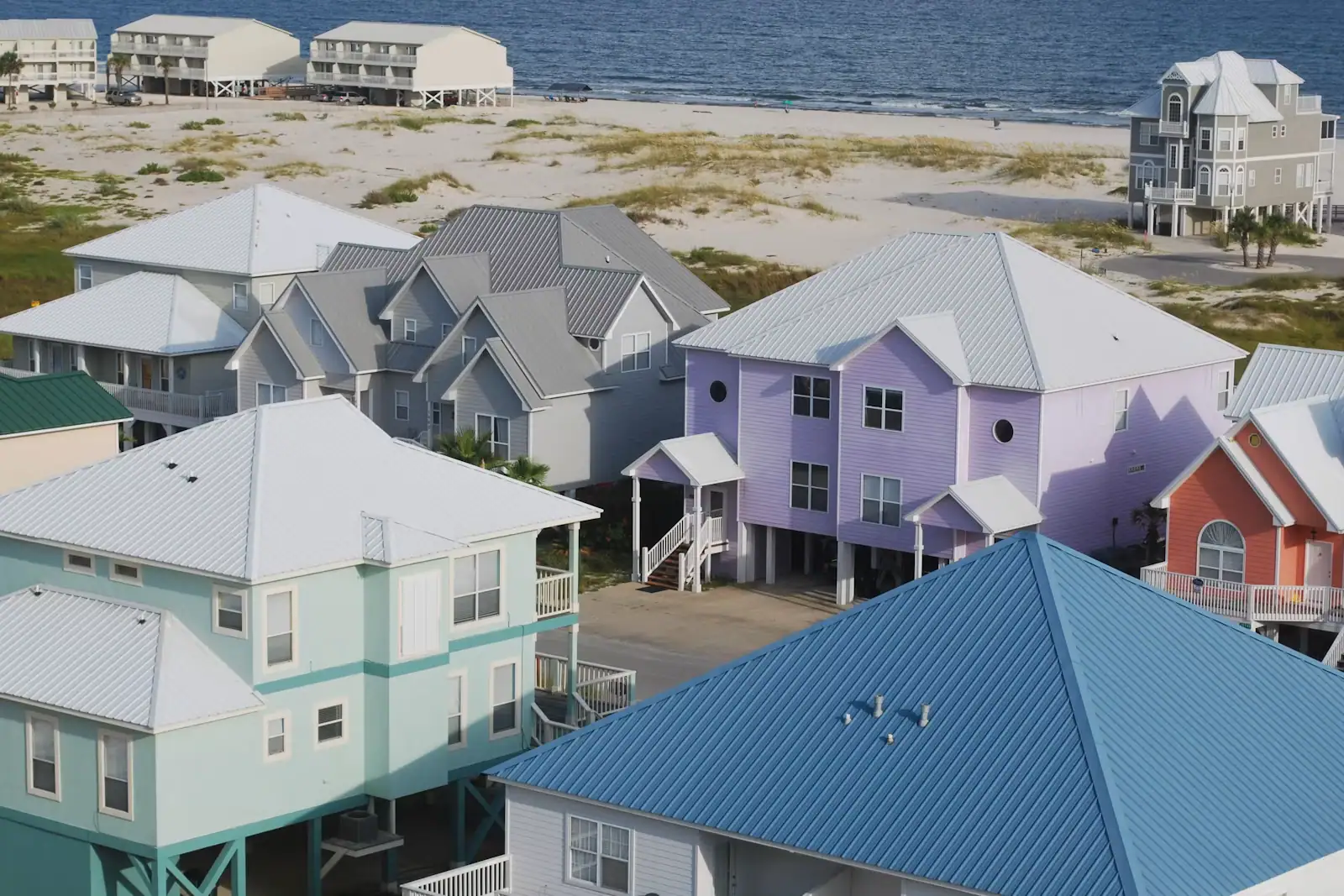
West of the Highway 59 junction, Gulf Shores narrows to a strip. Beach Boulevard runs along it with the Gulf a few dozen yards to the south and Little Lagoon a few hundred yards to the north, and in places you can see both bodies of water from the same spot in the road. That geometry explains almost everything about West Beach: why it is quieter, why the houses are houses rather than towers, why storm surge cuts through here first, and why the wildlife is better than it is on the busy end of town.

Little Lagoon is the part visitors overlook. It is a long, shallow, brackish body of water — roughly ten miles of it — running parallel to the coast behind the beach houses, and it connects to the Gulf at exactly one place, a narrow cut called Little Lagoon Pass crossed by the Lee Callaway Bridge. Everything the lagoon exchanges with the Gulf goes through that gap, which makes it a concentration point for fish, for the people fishing them, and for birds. It is a listed stop on the Alabama Birding Trails and the single best half hour of wildlife watching in Gulf Shores that does not involve buying a ticket.

Beach access out here is by numbered street end rather than by car park. West 5th, 6th, 10th and 13th all have designated spaces, and there is a proper park at the pass with restrooms, an outdoor shower and a small fishing pier. What there mostly is not, is facilities. No lifeguard at most accesses, no concessions, no shade, no snack bar. A cooler is not optional.

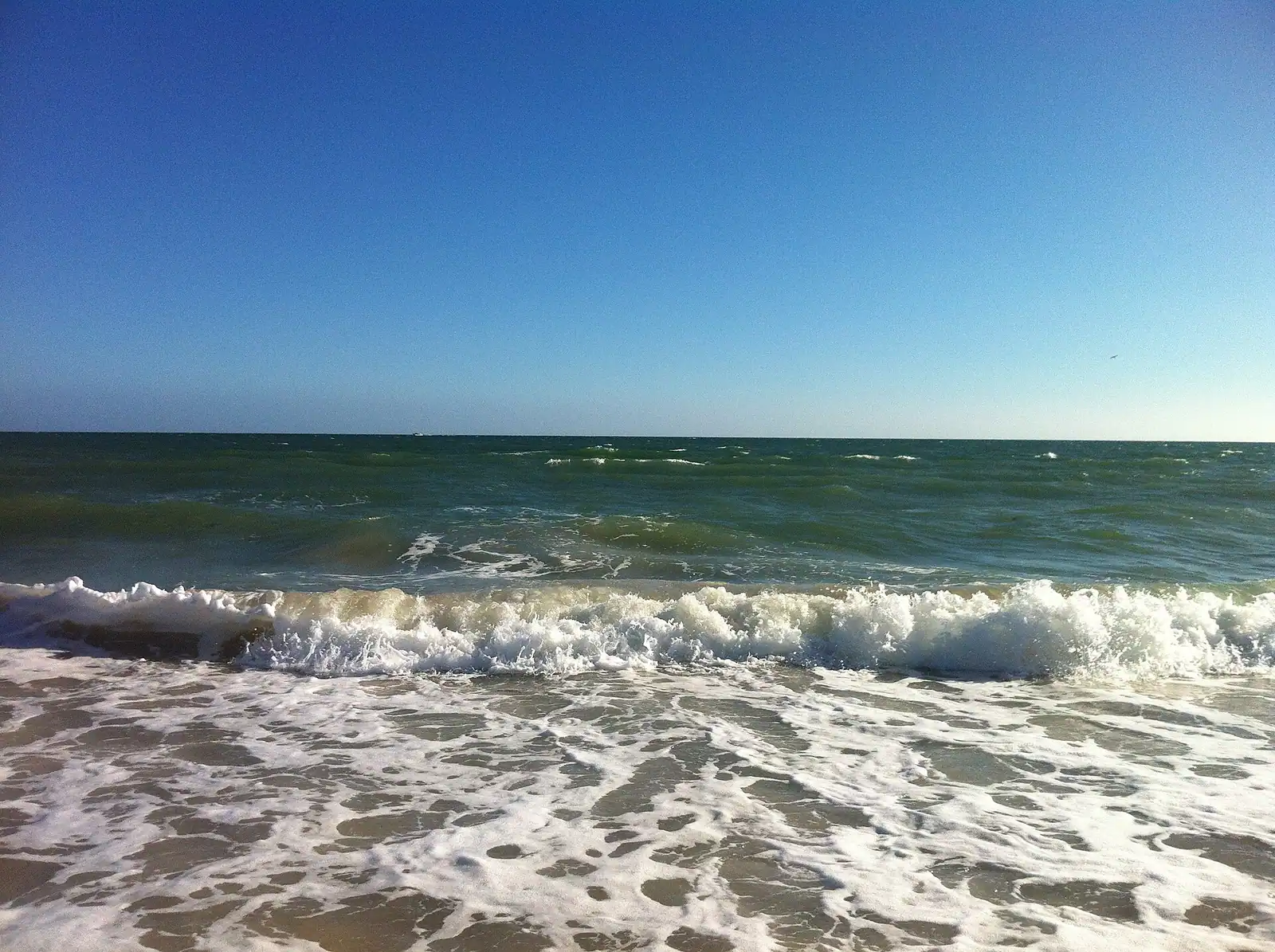
The trade is space. The sand is the same bright quartz as the busy end, the water is the same green, and on a Tuesday in June you can put a towel down without negotiating.

Getting there and parking

From the Highway 59 junction, turn right onto West Beach Boulevard, which is Highway 182, and keep going. The numbered street ends appear on the left within the first mile or two; Lagoon Pass Park and the Lee Callaway Bridge are about three miles out.

Keep driving west and Highway 182 eventually meets Fort Morgan Road, which carries on for another twenty miles down the peninsula to the fort and the ferry landing. That makes West Beach the natural first stop on a Fort Morgan day rather than a destination you double back to.

There is no through route north out of this strip until you are back at Highway 59, so a wrong turn costs real time on a busy afternoon.

Cycling along Beach Boulevard is popular and there are marked lanes in places, but this is a working highway with rental traffic on it, not a park trail. The Backcountry Trail network does not extend out here.

Getting onto the sand at a street end

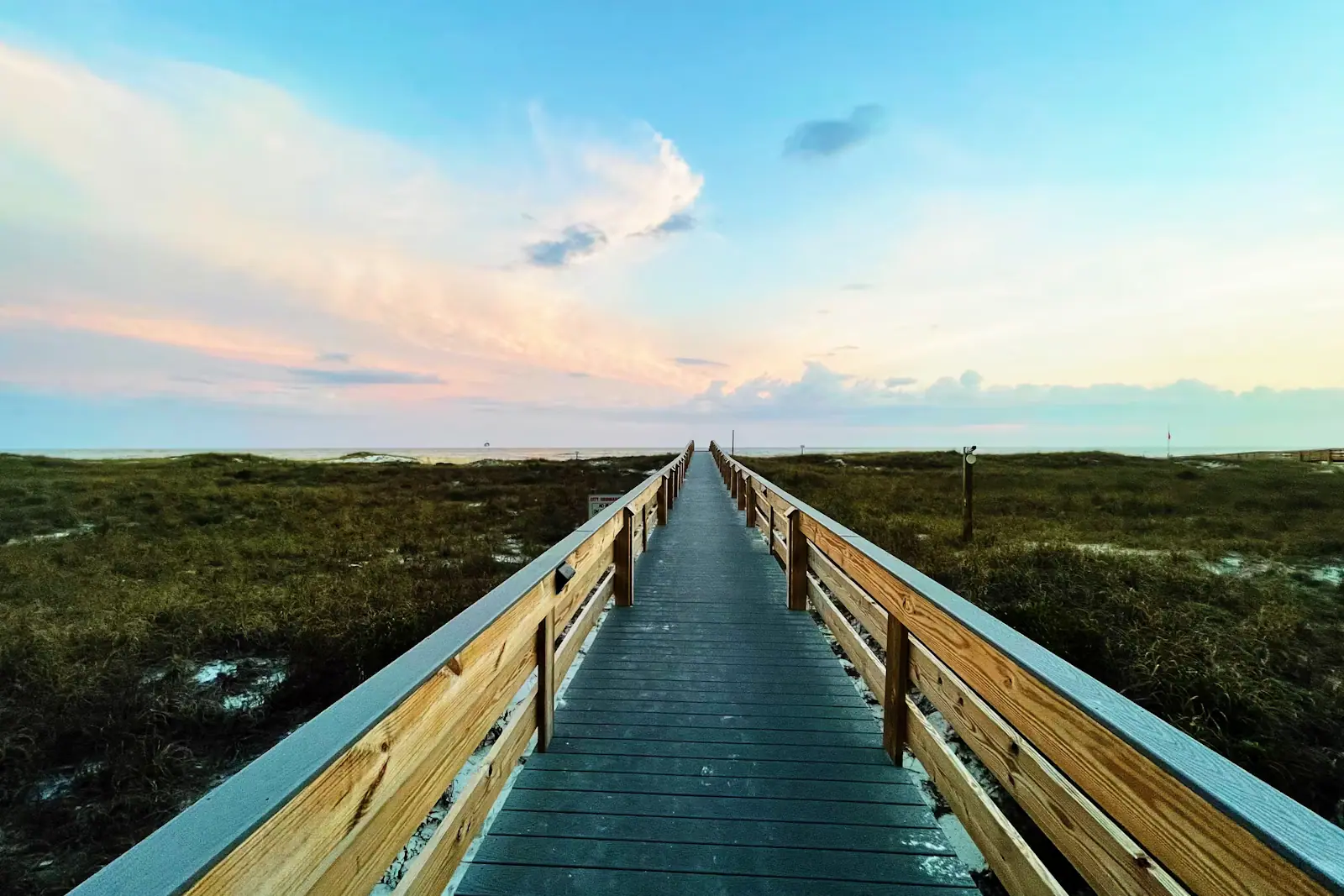
There is no single West Beach car park. Access works by numbered cross streets running south off Beach Boulevard, with designated spaces at West 5th, 6th, 10th and 13th, plus West Gulf Place at the eastern end and the lot at Lagoon Pass Park.

Since 1 July 2026 these are hourly paid spaces for non-residents, charged through a phone app using the zone number on the sign, during a paid season that runs from March to the end of November. Rates are modest by the hour and add up over a long day, which suits the way people actually use these accesses: two or three hours, then back to the house.

Three practical points.

Do not park on the verge or on a private drive. The houses out here are rentals whose occupants are paying a great deal for the week, the city tickets, and the fines are not nominal.

Bring everything. There is no concession on this stretch, and the nearest reliable shop is back at the Highway 59 junction. Water, shade, food, a bag for rubbish.

Check whether an access has a boardwalk. Some street ends cross the dune on a walkover and some deliver you onto soft, deep sand, which matters a great deal if you are pushing a loaded cart or a wheelchair.
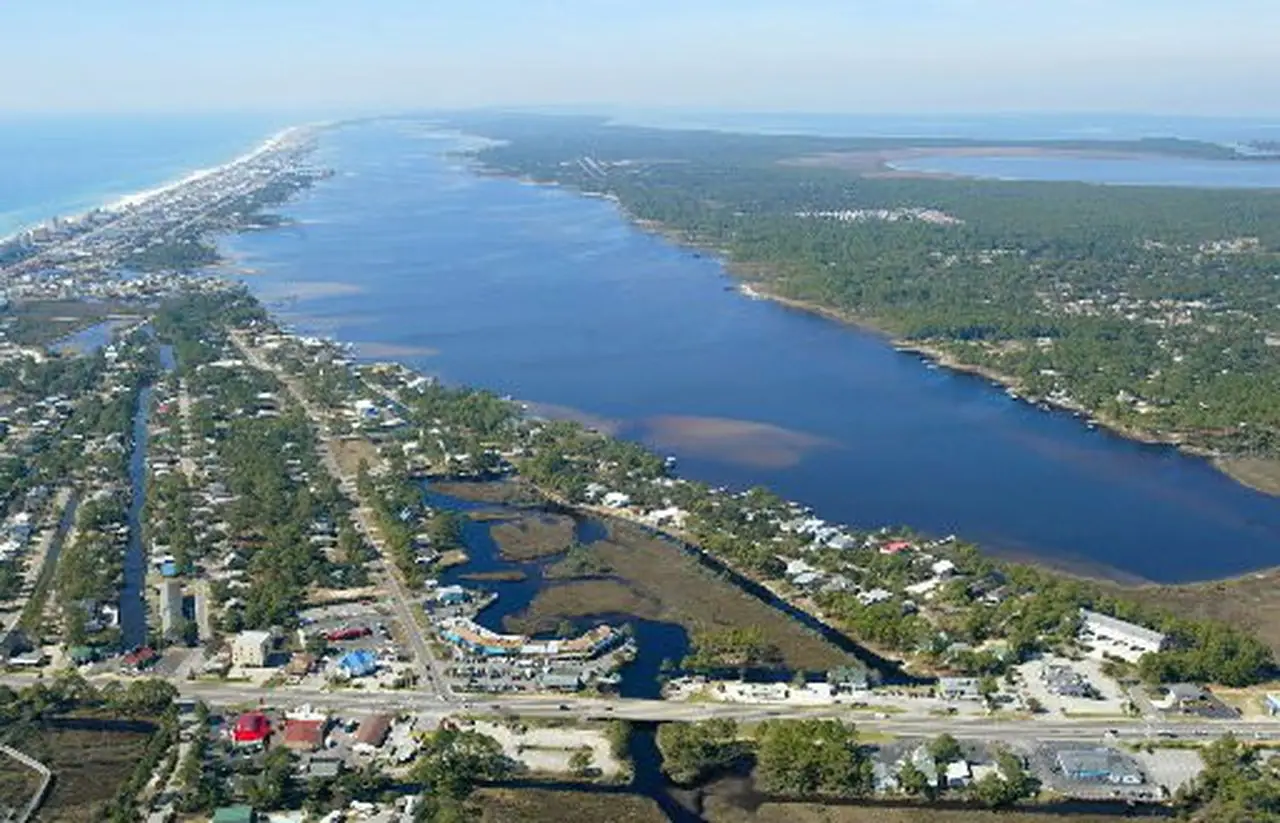
Little Lagoon Pass, which is the reason to come out here

The pass is a narrow cut under a bridge where a ten-mile lagoon meets the Gulf of Mexico, and it behaves the way every such gap behaves: everything funnels through it.

On the incoming tide, bait moves in and predators follow, so this is one of the few genuinely productive shore-fishing spots in the city that does not involve a pier ticket. Flounder, redfish, speckled trout and sheepshead all work the pass at different times of year. There is a small pier on the park side and firm bank access around it.

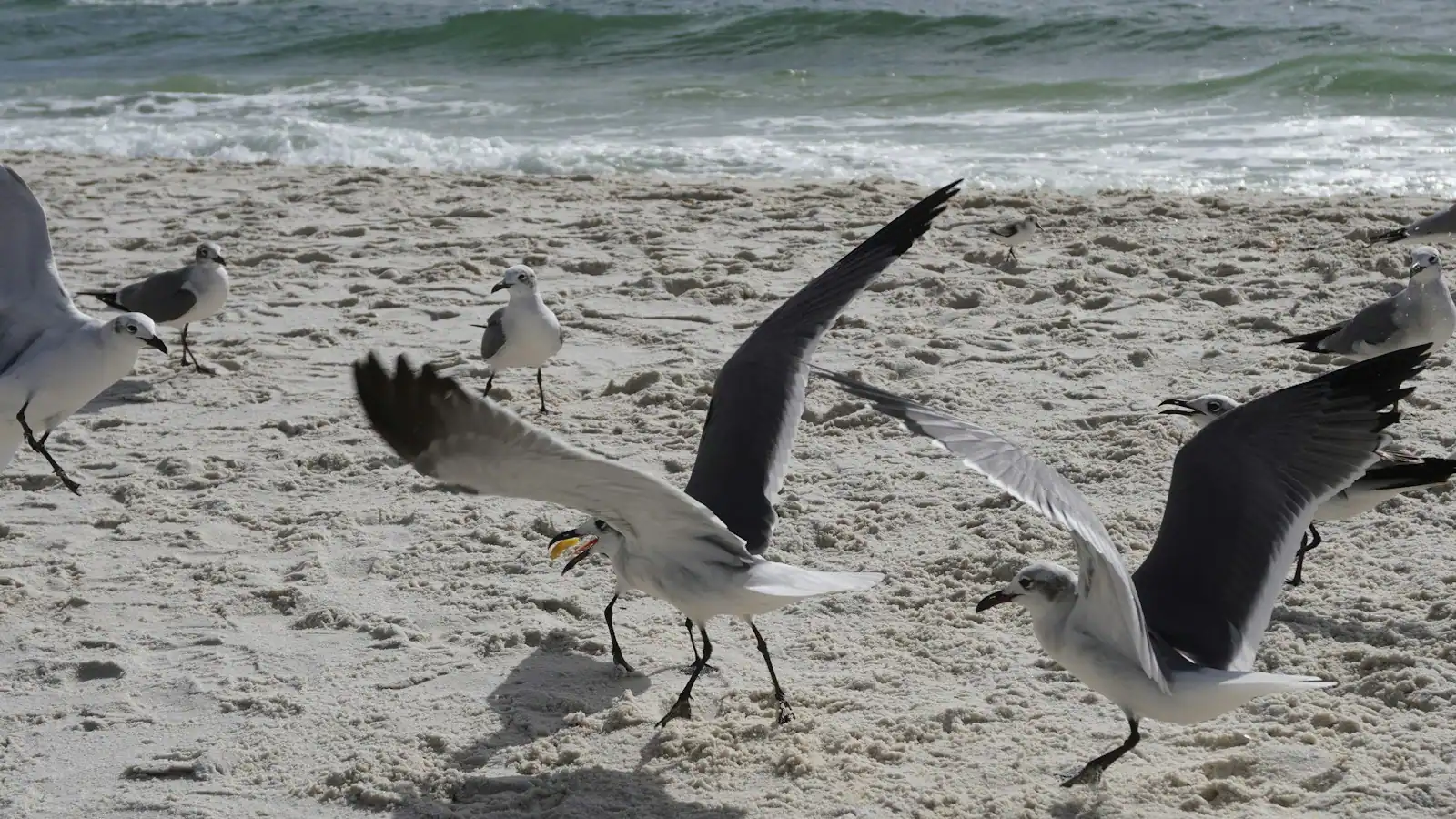
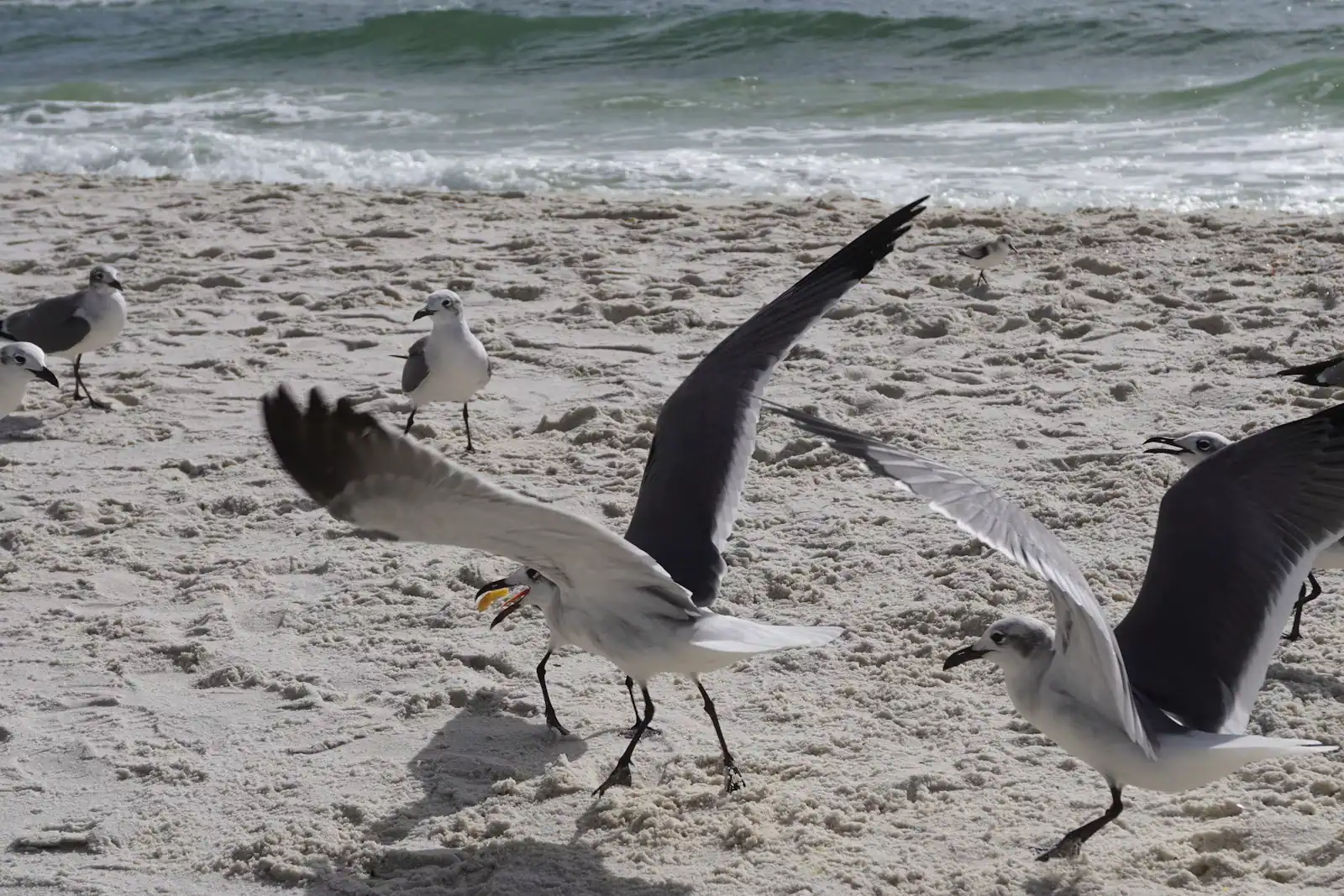
For anyone who is not fishing, it is a bird site. Terns and skimmers rest on the sandbars either side, herons and egrets work the lagoon edge, ospreys fish the channel, and in spring and autumn the migration that crosses the Gulf makes landfall along this line. It is a listed Alabama Birding Trails location, which in practice means someone has already done the work of establishing that it is worth standing still here for twenty minutes.

Two warnings. The current through the pass runs hard on a moving tide, and it is not a place to let children swim, however inviting the shallow edges look. And the shallow water on the lagoon side is popular with small boats, so watch what is coming under the bridge.

Parking is at Lagoon Pass Park on the north side, where the restrooms and the shower are. The beach is across the road.

Why this is the part of town that floods

A barrier strip with the Gulf on one side and a lagoon on the other has nowhere to put water. When a hurricane pushes surge ashore here, it does not stop at the dune line; it crosses the road and goes into the lagoon, and it takes sand, dunes and sometimes sections of Beach Boulevard with it.

Ivan in 2004 and Sally in 2020 both came ashore on this coast, and West Beach is where that history is most visible. Houses stand on tall pilings for a reason. Dune lines are fenced and replanted rather than left alone. Some accesses have been rebuilt more than once.

For a visitor this mostly means two things. In hurricane season, which runs from the beginning of June to the end of November and is most serious from August into October, pay attention to what is in the Gulf, because this is the part of Gulf Shores that gets an evacuation order first. And year round, stay off the dunes and use the walkovers. The sea oats holding that sand together are what stands between the road and the next storm, and they are protected.

Less dramatically: there are no lifeguards at most West Beach accesses. The flag system still applies and the rip currents are the same as everywhere else on this shore, but nobody is watching. Swim where other people are.

Near West Beach

Straight-line distances, so allow more on the road — the island is long and has one main parkway.

  • Two paddleboarders crossing a wide sheet of flat, pale, mirror-calm water under a soft sky
    Free
    Water feature

    Little Lagoon

    Ten miles of shallow, warm, brackish water behind West Beach, with one public ramp and a pass that eats propellers.

    1.5–5 hoursThe water is free to use. The city charges for parking at Little Lagoon Pass Park, recently around five dollars for up to four hours and ten for a full day.1.1 mi away

  • Aerial view of bright white sand meeting shallow water that shades from pale green to deep blue
    Free
    Beach

    Gulf Shores Public Beach

    Where Highway 59 runs out of land: pavilions, showers, volleyball nets, The Hangout next door and hourly parking since July 2026.

    2–7 hoursThe beach is free. Parking is not: non-residents pay by the hour through a phone app during the paid season.1.6 mi away

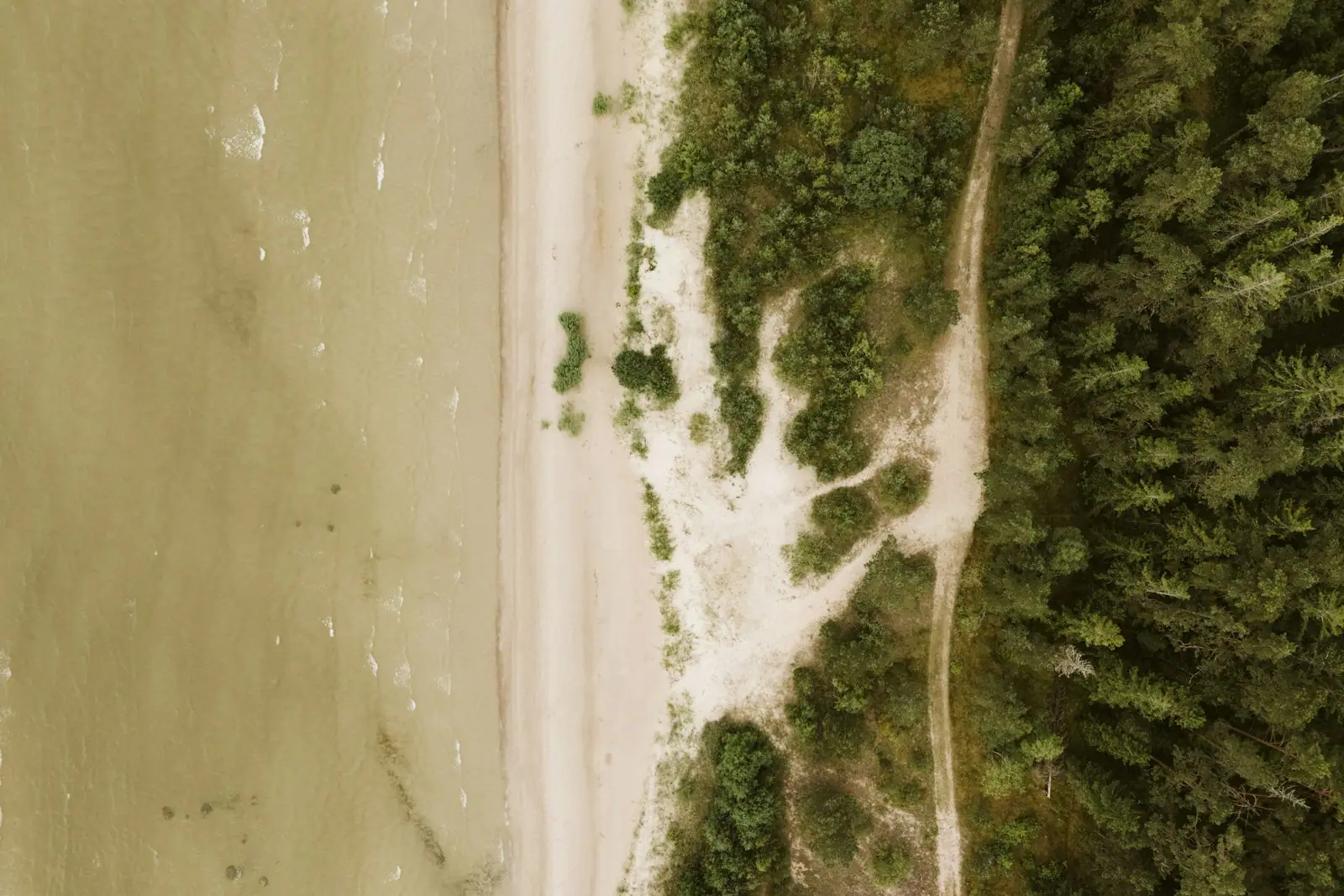
  • An aerial view of an empty pale sand shoreline meeting an unbroken block of dense pine forest
    Free
    Nature preserve

    Bon Secour National Wildlife Refuge

    Alabama's last large stretch of wild coastal dune, walkable on foot only, and protected largely for a nocturnal mouse.

    1–4 hoursFree. There is no entry fee and no parking charge at the refuge trailheads.5.7 mi away

  • Cars moving along a two-lane coastal highway with open water alongside it
    Historic site

    Fort Morgan State Historic Site

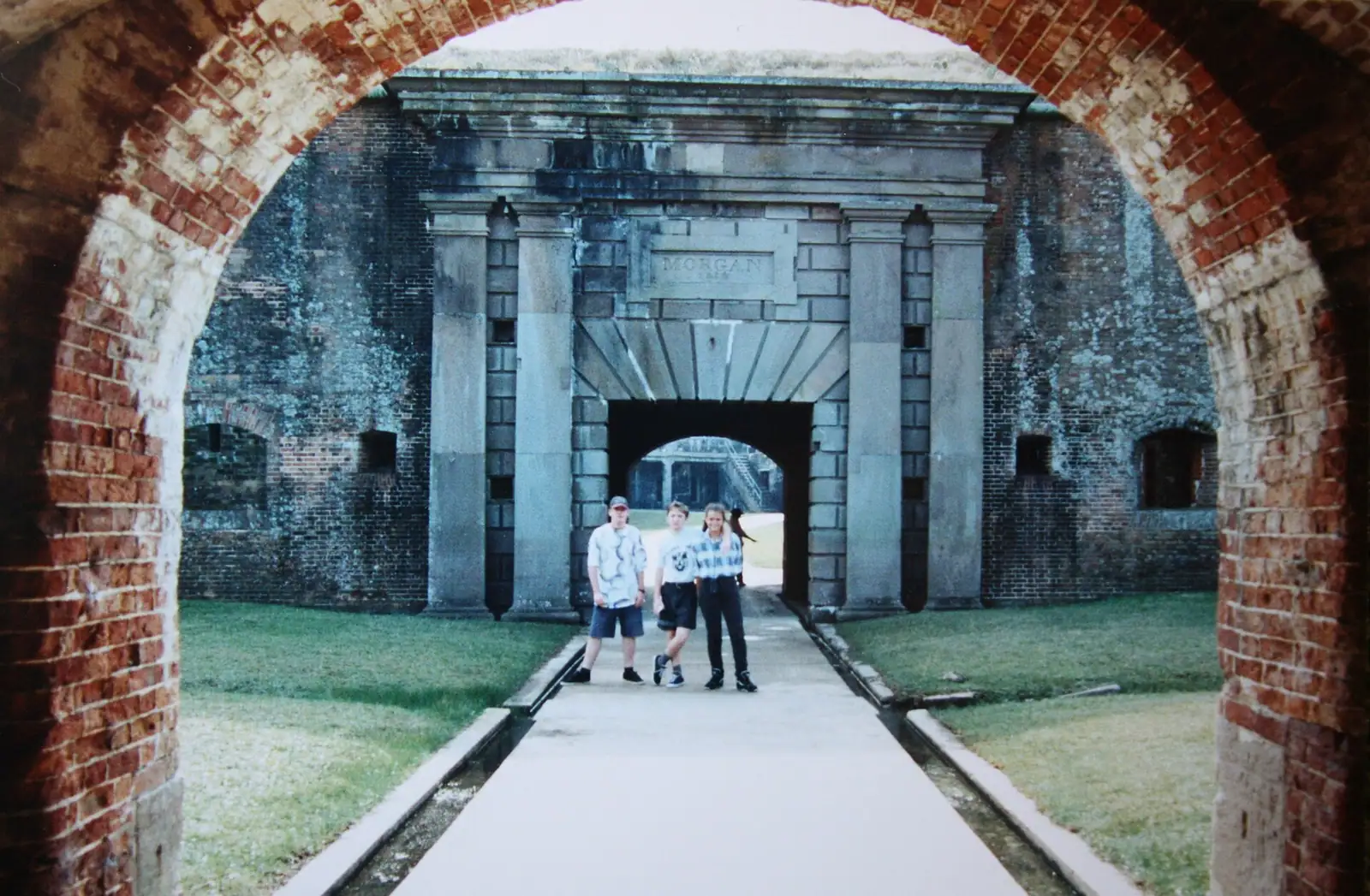
    A brick pentagon at the end of a 22-mile peninsula, where Farragut ran the Union fleet into Mobile Bay in August 1864.

    1–3 hoursRecently around $8 for an adult, about $5 for students, seniors and children aged 6 to 18, with a family rate and free entry for military with ID.17.6 mi away

West Beach: common questions

Where can you park at West Beach in Gulf Shores?

At the numbered street ends rather than a single lot. Designated spaces sit on West 5th, 6th, 10th and 13th Streets, with larger parking at West Gulf Place and at Lagoon Pass Park by the bridge. Since July 2026 these are hourly paid spaces for non-residents during the March to November season, paid through the city's parking app. Verges and private drives are ticketed, so use the marked bays.

What is Little Lagoon in Gulf Shores?

A long, shallow, brackish lagoon running roughly ten miles behind West Beach, parallel to the Gulf. It connects to the sea at only one point, Little Lagoon Pass, crossed by the Lee Callaway Bridge on Highway 182. That single opening concentrates fish, boats and birds, which is why the pass is both the best shore-fishing spot in the city and a listed stop on the Alabama Birding Trails.

Is West Beach less crowded than the main Gulf Shores beach?

Noticeably, yes. Access is by street end rather than a large car park, there are no concessions, no music and very little in the way of facilities, so day visitors default to the busier end at the Highway 59 junction. The sand and water are identical. What you give up is restrooms, rentals and lifeguards at most accesses, so bring water, shade and everything else you need.

Can you swim at Little Lagoon Pass?

The beach on the Gulf side of the road is fine to swim from in normal conditions, but the pass itself is not. Water moves hard through that narrow cut on a running tide, small boats use it constantly, and the shallow, inviting-looking edges sit right beside a channel. Fish it, watch birds from it, walk across the bridge for the view, and do your swimming on the open beach opposite.