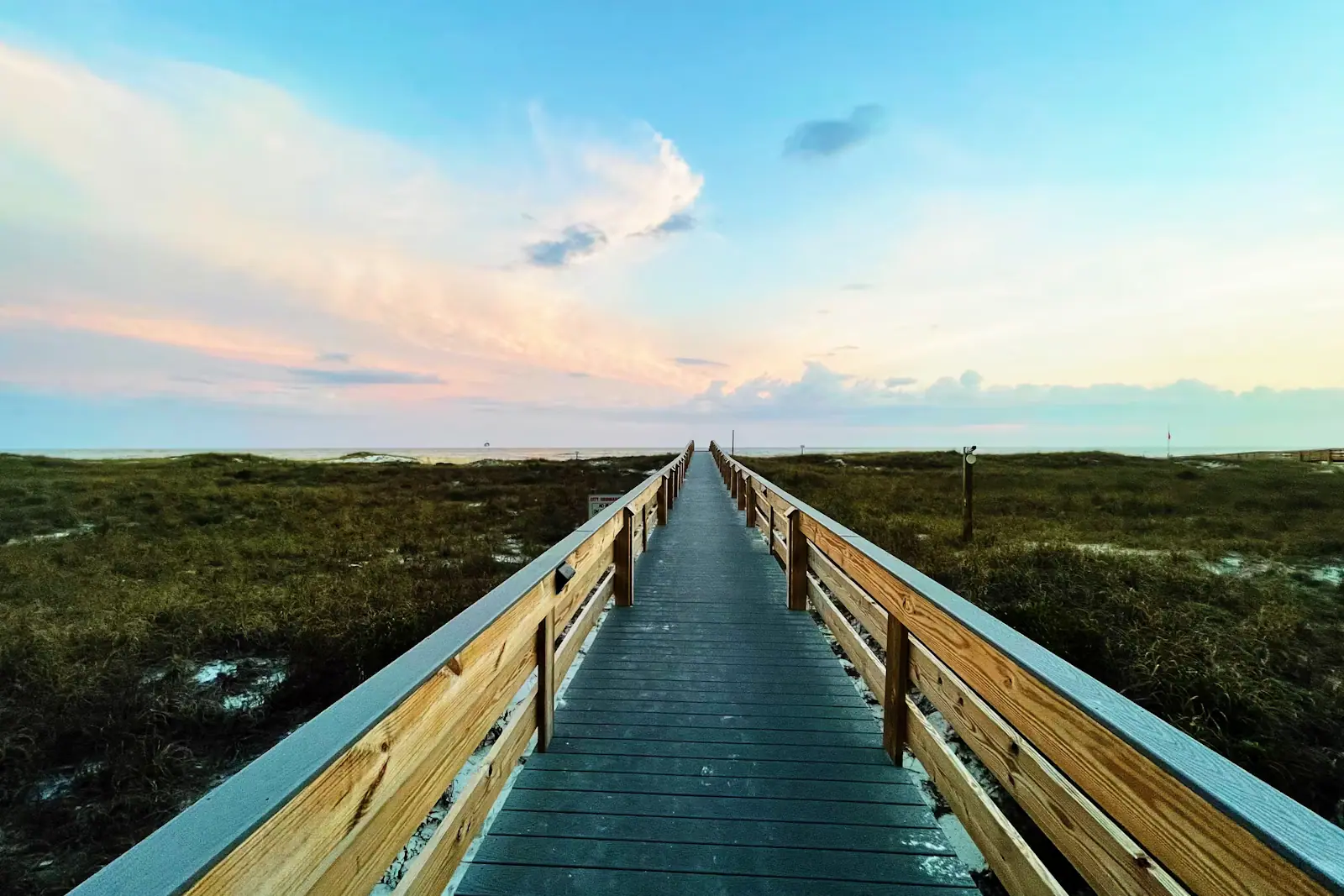
From the first of May, somebody is walking your stretch of beach before you are awake.
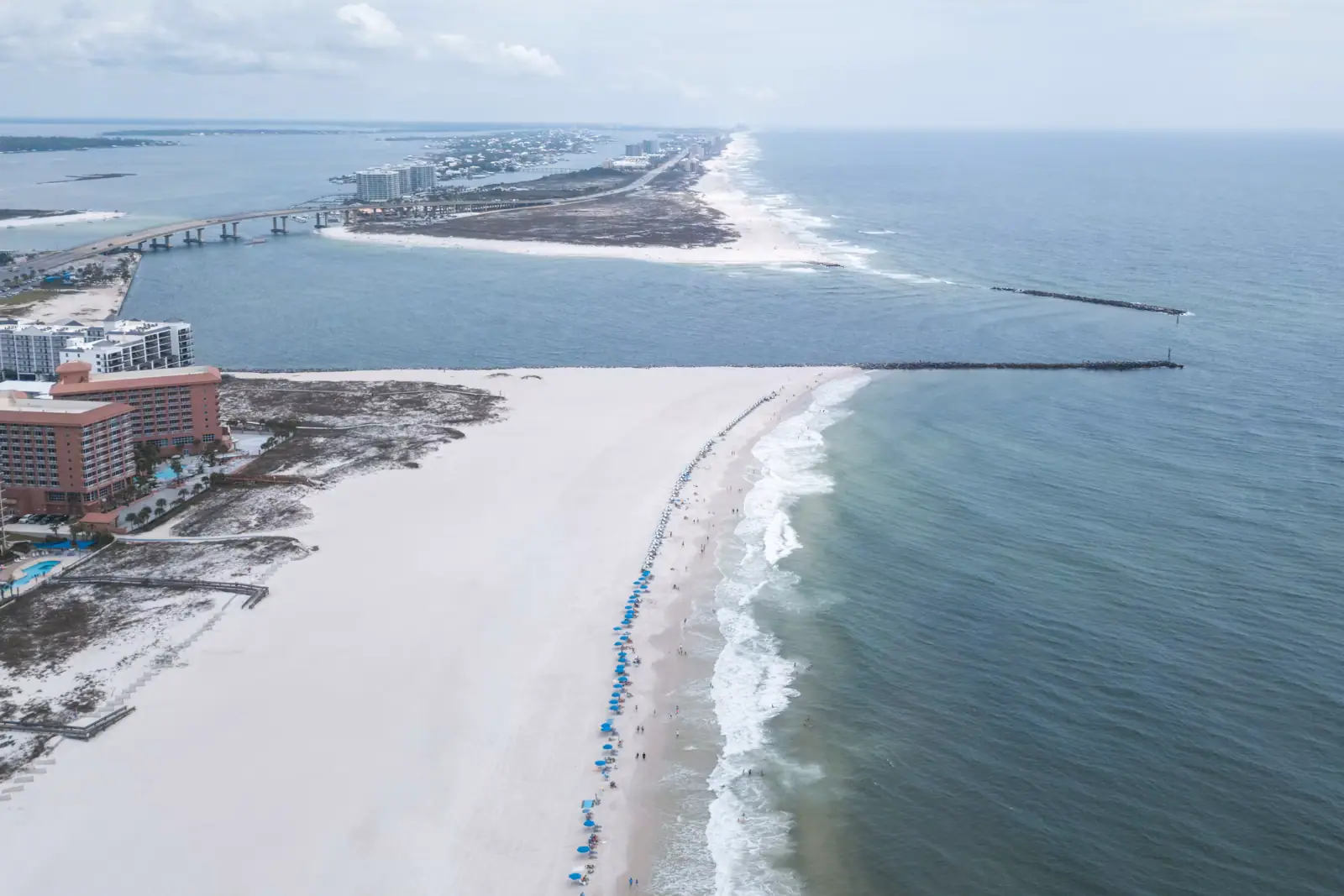
Alabama's nesting coastline is short — roughly thirty-two miles of it, from the tip of the Fort Morgan peninsula to the Florida line — and that turns out to matter enormously. Florida measures its nesting beaches in hundreds of miles and runs the work through a state agency. Alabama's coast is small enough to be covered on foot, every morning of the season, by volunteers who live here. That programme is called Share the Beach, it operates under the Alabama Coastal Foundation, and it is the reason nests on this coast get found at all.
What the season looks like
Nesting season runs from 1 May to 31 October. Loggerheads do most of the nesting here. Kemp's ridleys and green turtles also come ashore, particularly on refuge beaches, and a leatherback is a once-in-a-long-while event.
| Month | What is happening on the beach |
|---|---|
| May | Patrols begin. First crawls and first nests, usually early in the month |
| June–July | Peak nesting. Nests laid, marked and monitored; earliest nests begin to incubate out |
| August | Nesting tails off; hatching picks up. The busiest month for emergences |
| September | Hatching continues; storm risk is highest and nests can be lost to surge |
| October | Last hatchlings out; patrols wind down at the end of the month |
How a nest is found
A nesting female hauls out at night, usually well after dark, and leaves a track up the beach and another back down it. In daylight those tracks are unmistakable to anyone who has been shown them once.
A patrol volunteer walking at first light finds the crawl, works out where the chamber is, and marks the nest with stakes and tape so that beach-cleaning machinery, vehicles and people go around it. Where a nest has been laid somewhere it cannot survive — too close to the tide line, in front of a heavily lit building — it may be moved, but only by people permitted to do so.
Incubation takes roughly two months. Towards the end of it, volunteers sit nest watches in the evenings, because a hatchling emergence can happen quickly and in the dark, and a nest that empties towards a car park rather than towards the water needs somebody there.
What that asks of a visitor
Almost nothing, and the almost is the part people get wrong.
Take everything off the sand at the end of the day. Both Gulf Shores and Orange Beach have required this since 2016 — personal items off the beach within an hour of sunset — and anything left can be removed by beach patrol. The rule exists because a hatchling weighing a few grams cannot get round a cool box, and a 300-pound female arriving at a row of abandoned chairs frequently turns around and goes back to sea without nesting.
Fill your holes in and flatten the castle. A dug hole is a trap, and a hatchling that drops into one at two in the morning does not climb out.
Kill the lights. This is the big one and it is the one visitors find counter-intuitive, so it is worth explaining rather than asserting. A hatchling that breaks out of the sand orients towards the brightest, lowest horizon it can see. For the whole evolutionary history of the species, that has been the open sea reflecting the night sky. A lit balcony, a phone torch or a beachfront floodlight beats the sea comfortably, and hatchlings walk inland towards it until something eats them or the sun comes up. So: no torches or phone lights on the beach after dark, no flash photography anywhere near a turtle, exterior lights off on Gulf-front property, and curtains drawn at night.
Leave marked nests alone. The stakes and tape are not decorative.
Keep dogs away from nests and tracks, and observe the dog rules for the beach you are on, which differ between the two cities and the state park.
If you see one
Do not touch it. Do not pick up a hatchling and carry it to the water, however slow it looks — the crawl down the beach is not wasted effort, it is part of how the animal orients itself. Do not put a stranded turtle back in the sea. Do not crowd a nesting female or get in front of her; she will abandon the attempt.
Call it in. The Sea Turtle Hotline for this coast is 1-866-SEA-TURTLE (1-866-732-8878), and it is the number to use for a nesting turtle, a fresh crawl, a hatchling heading the wrong way, or an injured or stranded animal. Give the nearest beach access point — those signs have numbers on them for exactly this reason — and stay back until somebody with a permit arrives.
The other endangered neighbour
The turtles get the attention. The Alabama beach mouse lives in the same sand and is in at least as much trouble.
It is a small, pale, nocturnal mouse that lives only in the coastal dune system of this part of Alabama, feeding on sea oats and dune plant seed and sheltering in burrows among the roots. It is federally endangered. Bon Secour National Wildlife Refuge, west of Gulf Shores, protects some of the last undeveloped dune habitat on the coast and holds one of the densest surviving populations.
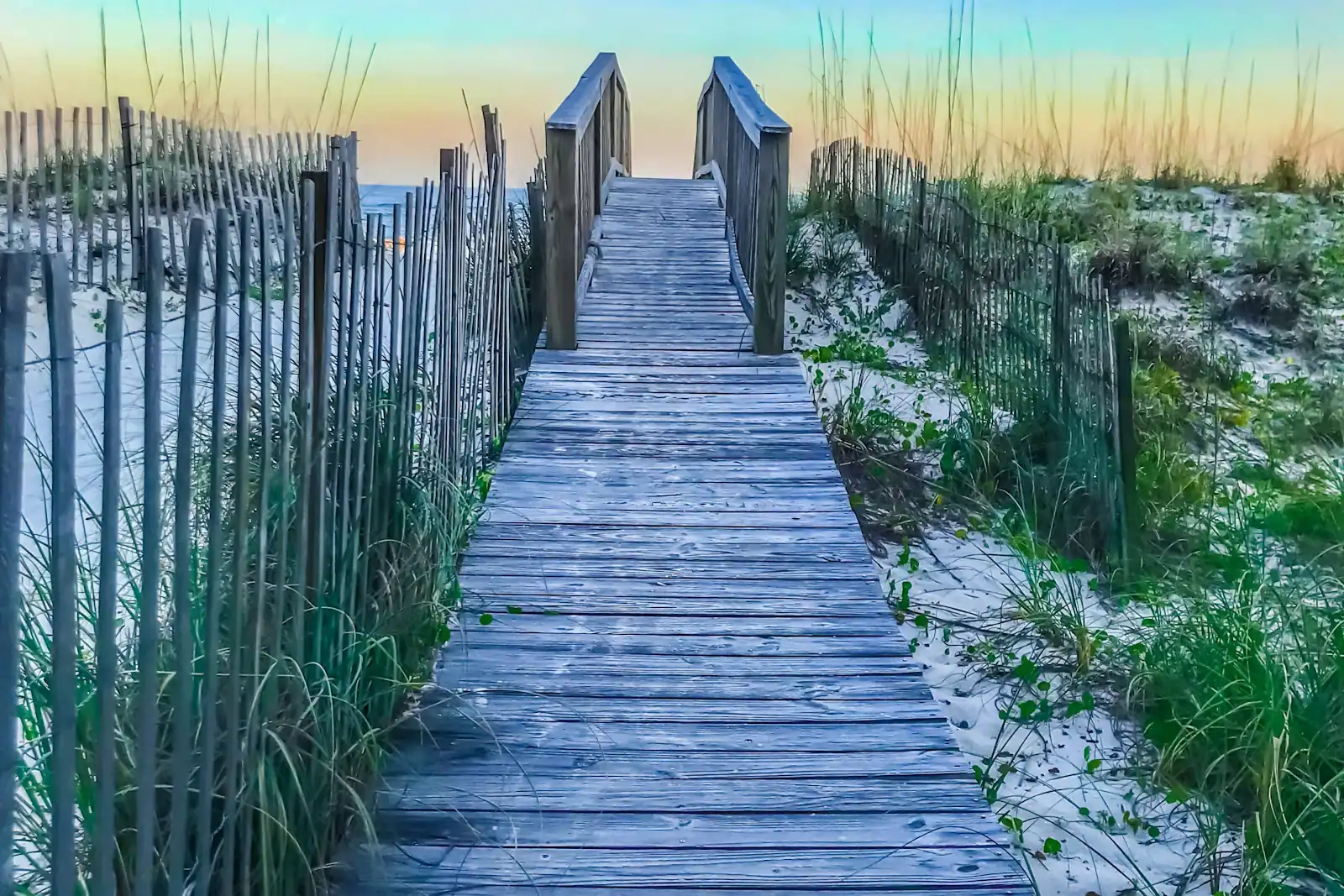
This is the real reason for the dune walkovers and the signs asking you not to cut across. The plants hold the dune together, the dune is the mouse's entire world, and footfall across it does damage that is invisible at the time.
Can you watch a hatchling release?
Sometimes, and not on a schedule. Releases happen when an animal is ready, which is not a thing that can be diarised, and most nest emergences are private events in the dark attended by a handful of volunteers.
If you happen on one, hang back, keep lights off, and do what the volunteers ask. If you want to be part of it properly, the programme takes on and trains new volunteers ahead of each season, and a family that spends a week here every summer is exactly the kind of person it is short of.
Lighting, in practical terms
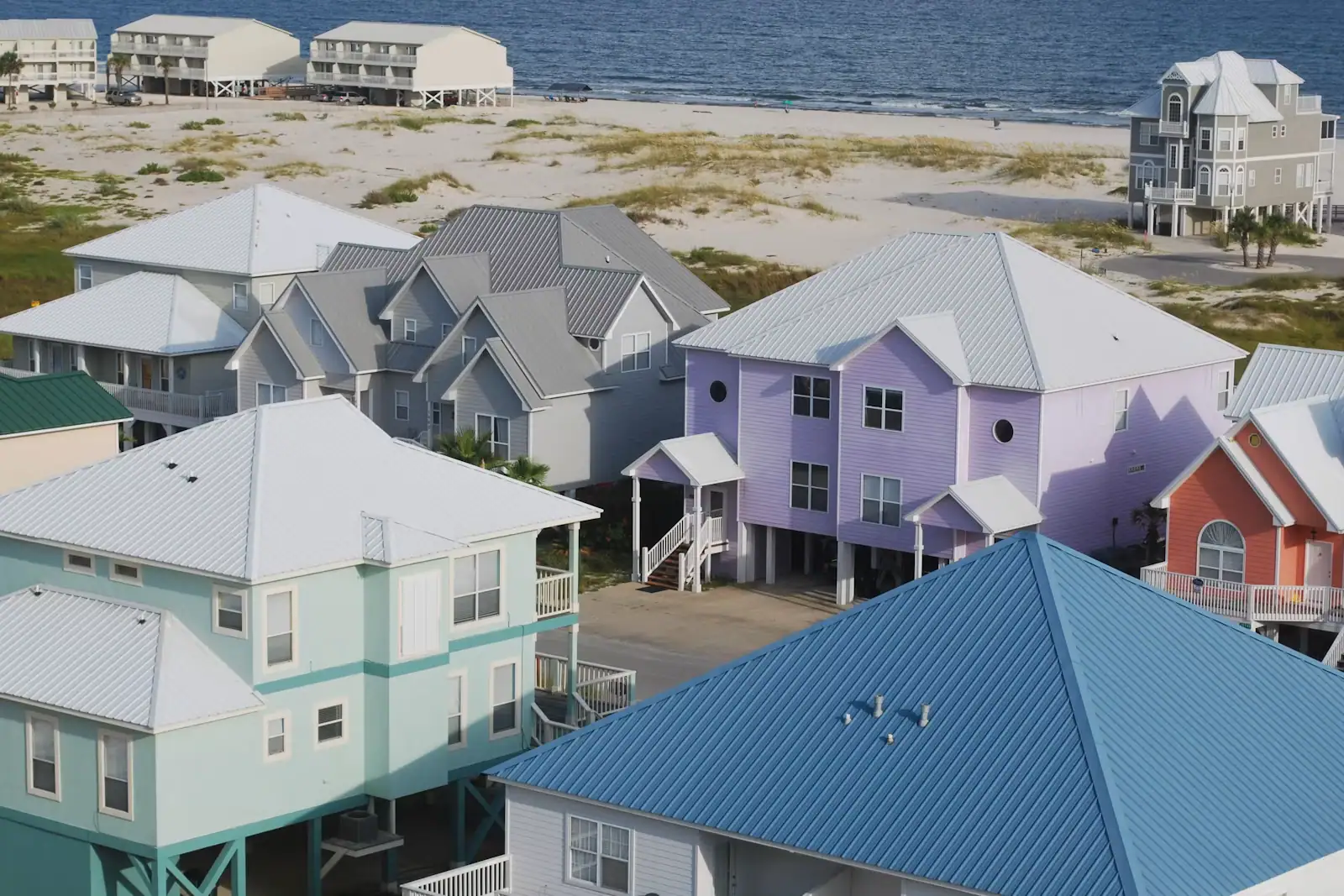
If you are staying in a Gulf-front building between May and October, three specific things matter more than general good intentions.
The balcony. Overhead lights, string lights and anything decorative facing the water should be off after dark. A single unshielded bulb on a high floor is visible from a long way down the beach.
The curtains. Interior light spilling through a glass wall is as bright as an outdoor fixture from the sand. Close them at night; it costs nothing.
The phone. People walk the beach at night here, and it is a lovely thing to do. Do it without a torch. Your eyes adjust in ten minutes, the sand is pale enough to see by, and a phone screen at head height is a beacon.
Amber and red light is far less disruptive than white or blue, which is why you will see it used on this coast. If you need a light to find your way, that is the kind to carry.
Beachfront properties on this coast are subject to lighting expectations through the season, and both cities take the beach ordinances seriously — though the people doing this work will tell you they would far rather explain it to you than write anything down.
Small things that help
- Carry your rubbish off. Plastic film in water looks exactly like a jellyfish to a turtle, and this is not an abstract risk.
- Take the chairs and the tent home rather than leaving them staked out overnight to hold a spot.
- Push the sand back. Holes, moats and trenches all go back in before you leave.
- Cut the balloons. Released balloons come down over the Gulf and end up in the water.
- Fish responsibly. Discarded line and hooks are a persistent problem for turtles and shorebirds at the piers and the passes.
- Report tracks, do not follow them. A crawl in the sand at seven in the morning is information the patrol needs.
- Save the number. 1-866-SEA-TURTLE. It takes ten seconds and it is the single most useful thing on this page.
None of this is onerous, and none of it costs a family anything except the habit of clearing up at sunset instead of at breakfast.
Last updated
Opening hours, ordinances and prices move with the season. We re-check this guide rather than rewrite it, and the date above is the last time someone did. How we research and correct.