Skip to content
Search
Menu

These bookings go through Viator, and we are paid for them. Your price is the same, and the payment had nothing to do with the picks.

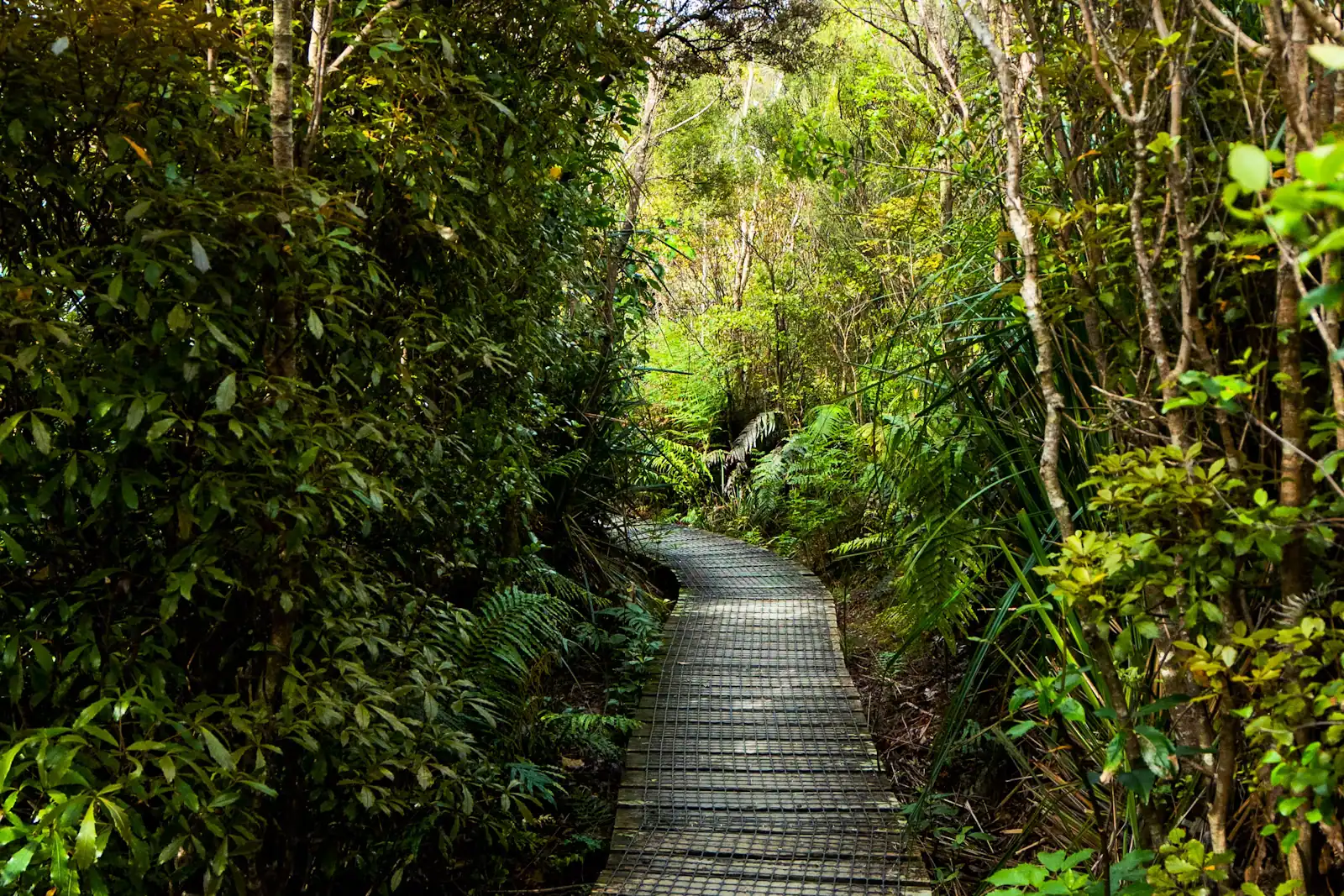
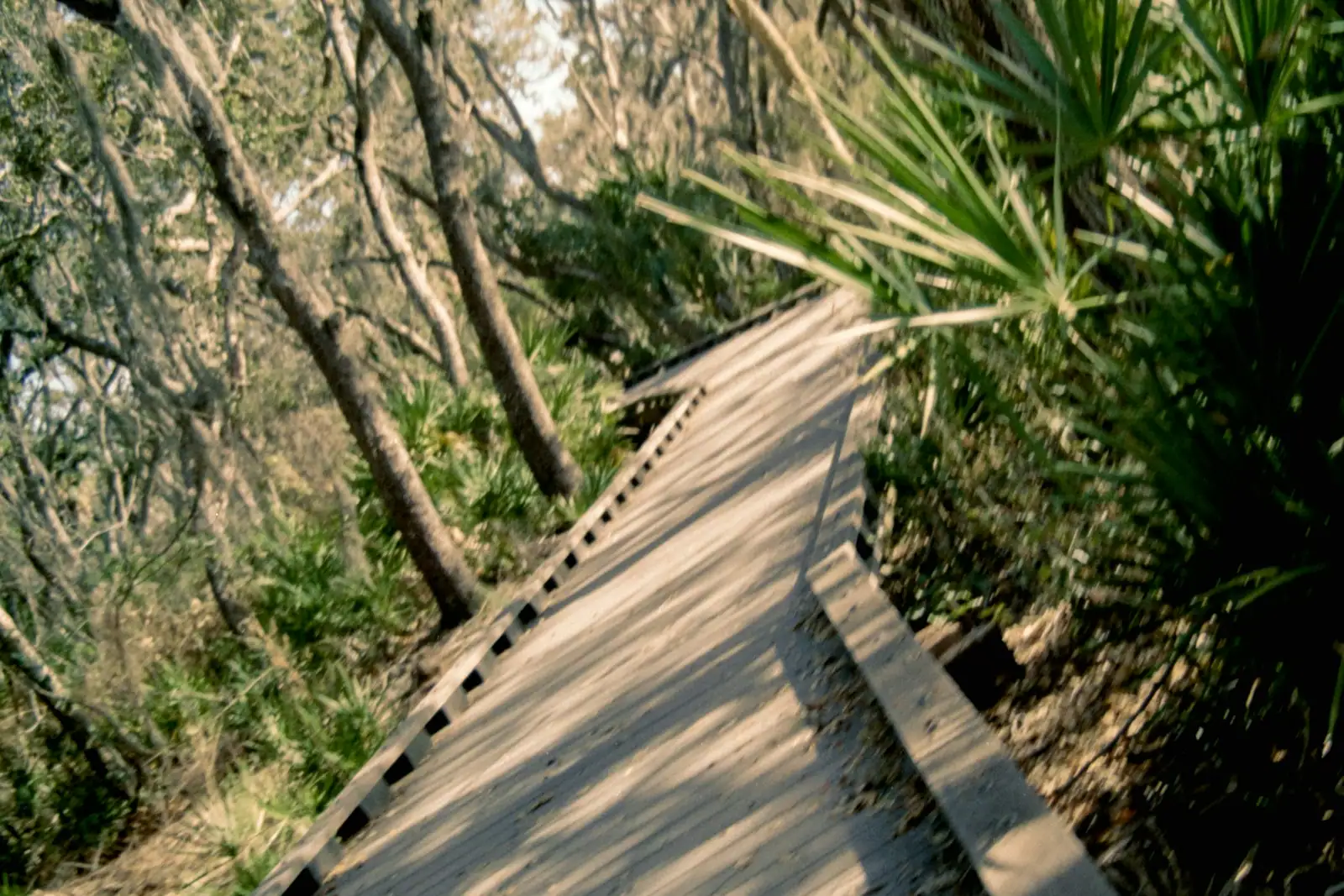
A raised timber boardwalk curving through dense green woodland and palmetto
A. E. Crane, U.S. Department of Transportation

Park

Gulf State Park

Last updated

Six thousand acres of dune, lake and pine between two beach towns, with 28 miles of paved trail and a village-sized campground.

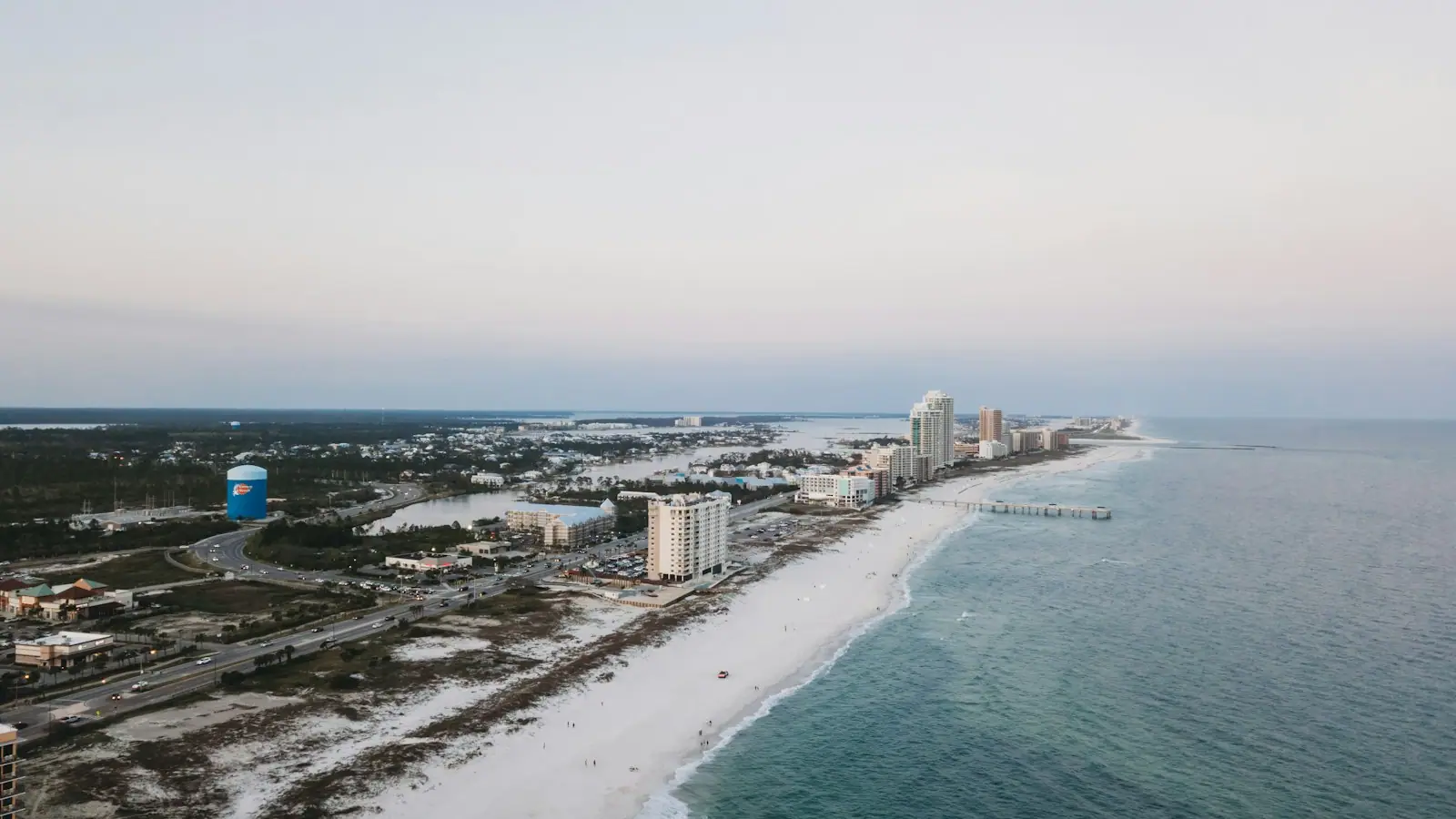
Most people arrive in Gulf Shores believing the beach is the destination and the rest is accommodation. Gulf State Park is the argument against that. It covers around 6,150 acres, which is an absurd amount of protected ground to find directly behind a resort coastline, and it stretches from roughly two and a half miles of Gulf frontage north across a chain of freshwater lakes to the Intracoastal Waterway. Gulf Shores lies to its west, Orange Beach to its east, and the park is the green wedge that keeps them from becoming one continuous strip.

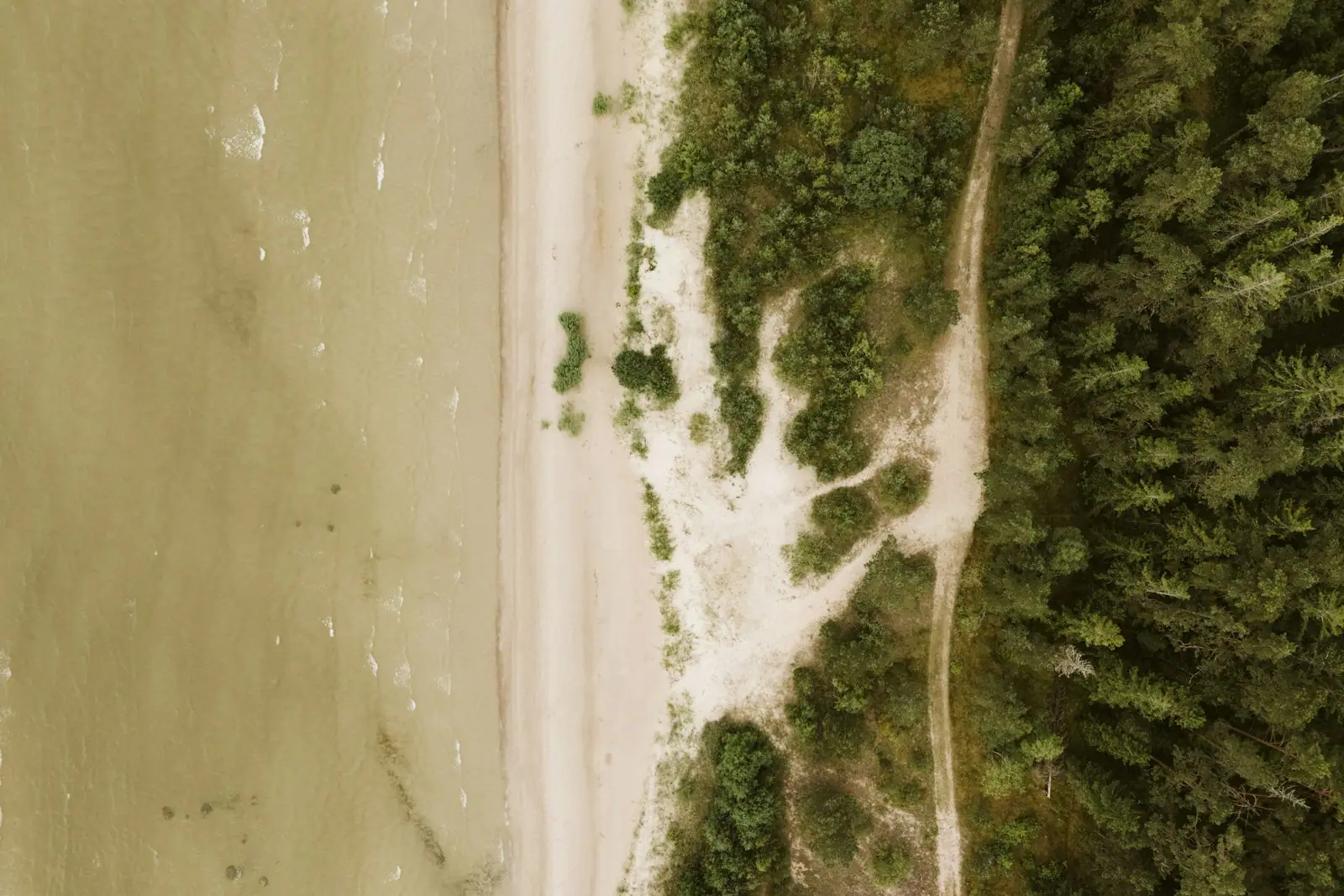
The interior is the surprise. Nine distinct habitats sit inside the boundary, from the frontal dunes through coastal scrub and longleaf sand ridge into pine flatwoods, freshwater marsh and a genuine hardwood swamp, and more than twenty-eight miles of paved trail thread between them. You can ride from a beach car park into an alligator-holding lake basin in about fifteen minutes, which is not a sentence that applies to most American beach resorts.

The park also does the unglamorous work of housing people. The campground runs to 496 full-hookup sites on Middle Lake plus a handful of primitive tent pitches, which makes it one of the largest in the Southeast and, in practice, a small seasonal town with its own store, pool and trail access. Cabins and cottages sit along Lake Shelby. The Lodge, opened in 2018 on the Gulf, replaced the building Hurricane Ivan destroyed in 2004 and was part of a long, deliberate rebuild of the whole park.

That history matters to what you see. Ivan in 2004 and Sally in 2020 both came ashore on this coast, and almost everything here is either a replacement or a repair. The dune line in front of the beach pavilion is planted and fenced rather than natural, the pier is younger than the park by decades, and the trail surfaces were laid to survive storm flooding. Alabama has one state park on its Gulf coast. This is the entire hand.

Getting there and parking

The park has no single entrance, which confuses first-time visitors. Three approaches cover almost everything.

For the beach, the pier and the Beach Pavilion, use East Beach Boulevard (Highway 182) running east from the Highway 59 junction in Gulf Shores. The pier lot is on the Gulf side; the pavilion is a little further east.

For the campground, the cabins, the lakes and park headquarters, take Highway 135 north off Beach Boulevard, or come in from Canal Road (Highway 180) on the north side. State Park Road links them.

For the inland trailheads, Highway 135 is the main artery, with parking at the Nature Center and at several marked trail access points. Orange Beach approaches from the east via Canal Road.

If you are staying on the beach road anywhere between Gulf Shores and Orange Beach, the Backcountry Trail connects to the park without a car at all, which on a summer weekend is the faster way in.

How the park is laid out, and where to start

Think of it as three bands running east to west.

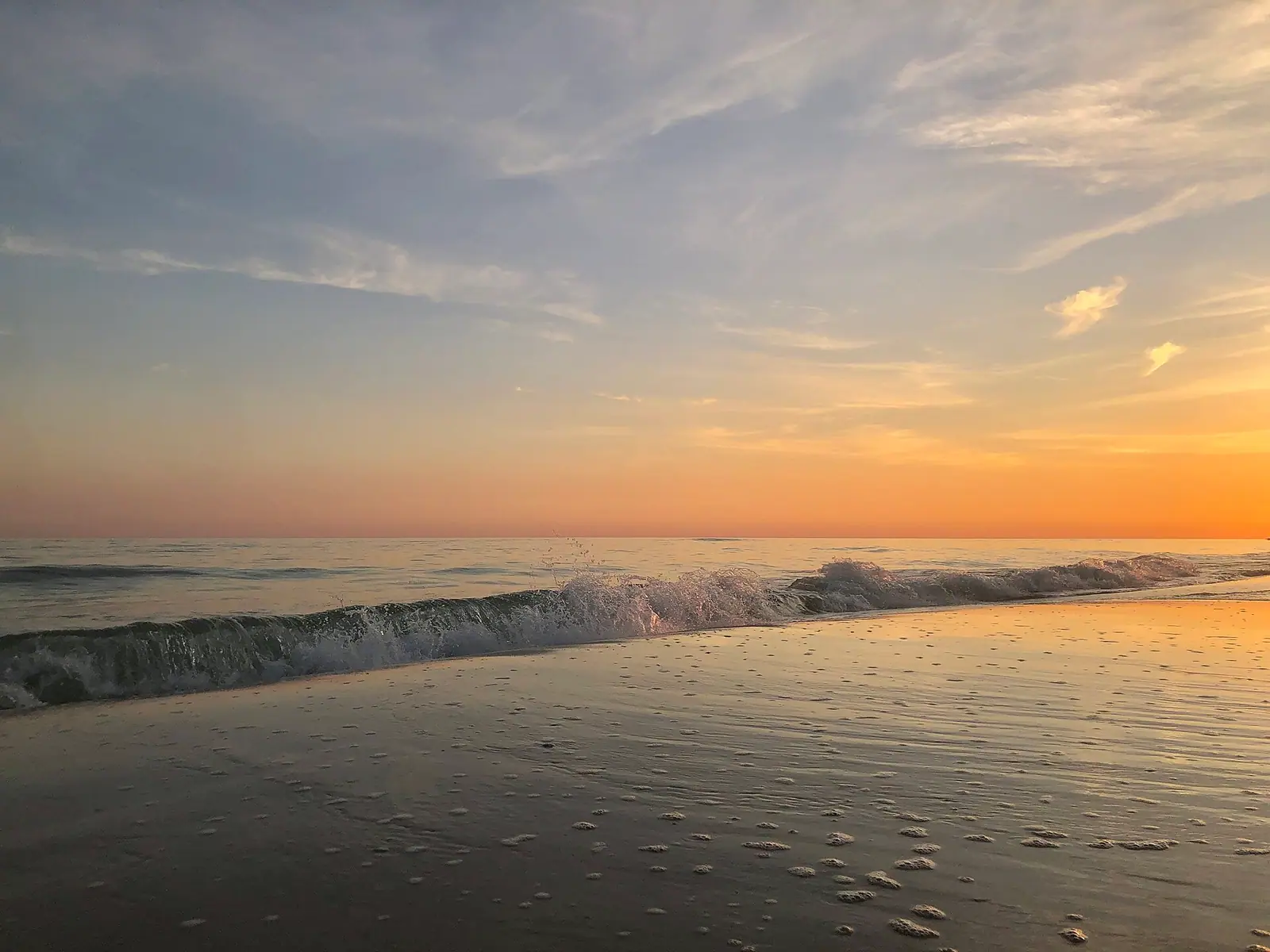
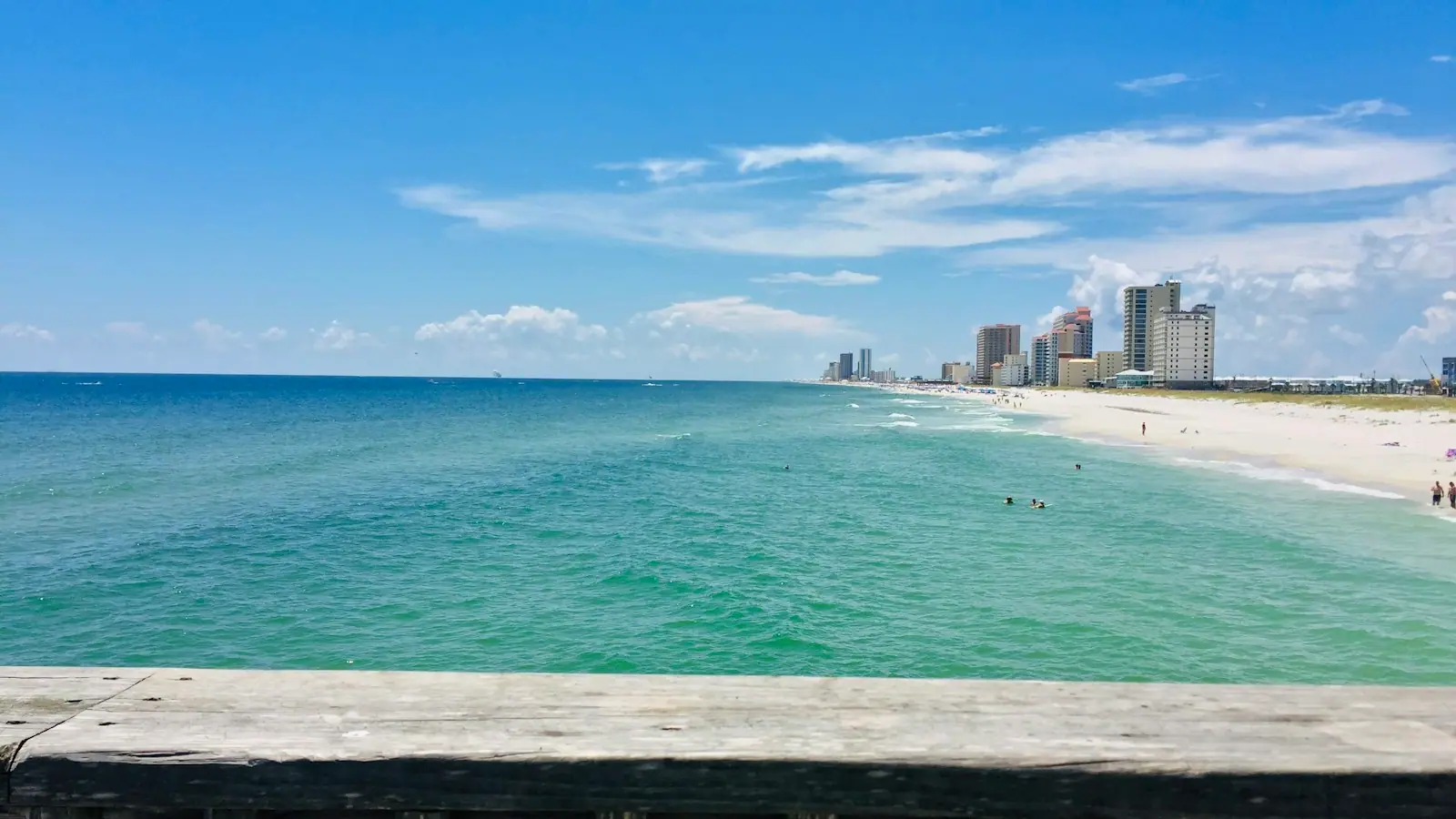
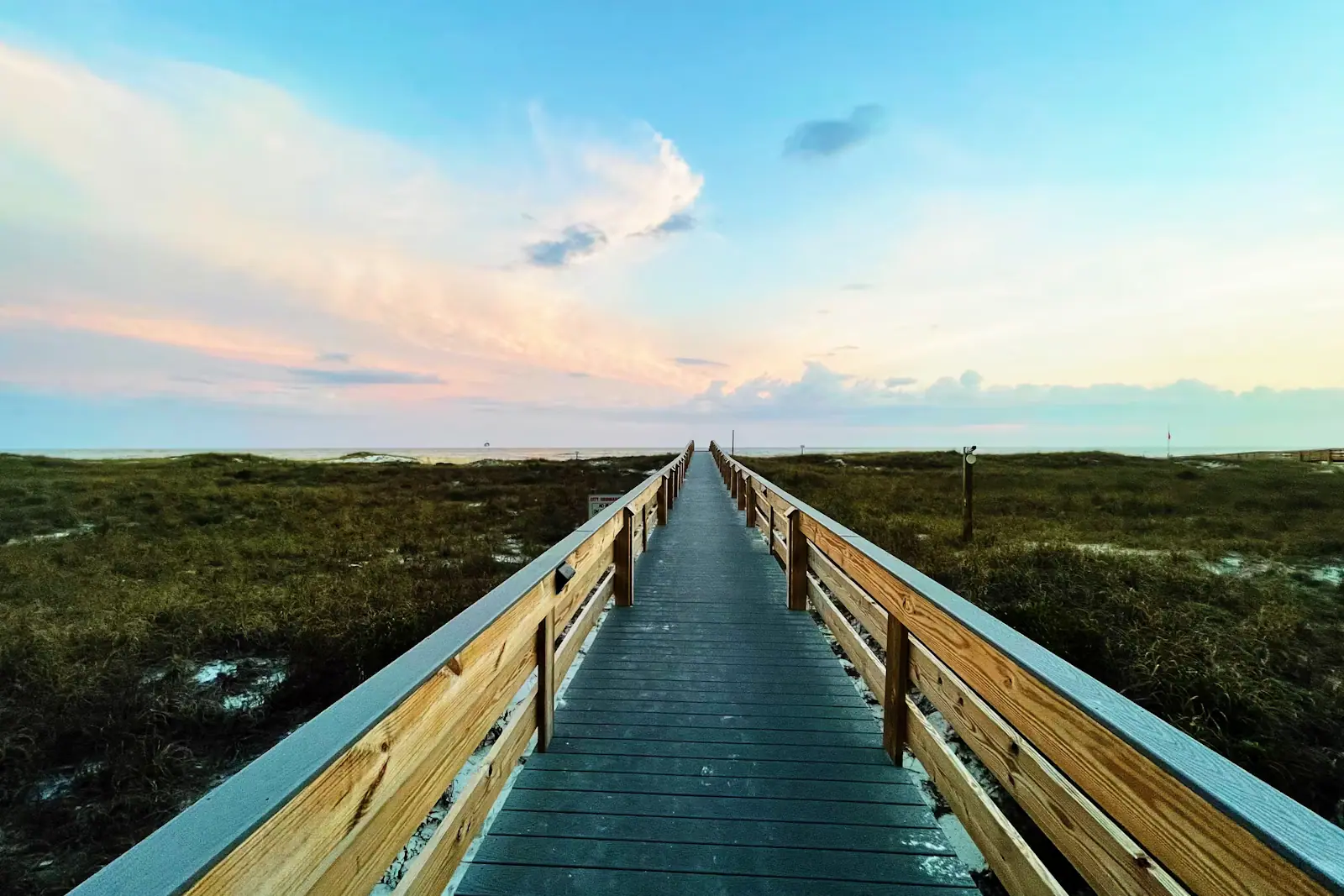
The southern band is the beach: two and a half miles of quartz sand with the Beach Pavilion near its middle and the pier towards its western end, reached off East Beach Boulevard. This is the part most visitors see, and it is also the least distinctive, because the same sand runs for miles in both directions outside the boundary.

The middle band is the lakes. Lake Shelby is the large one, with Middle Lake and Little Lake behind it, and together they form a freshwater system separated from the Gulf by nothing more than a dune ridge and a road. Cabins, the campground and the picnic areas cluster here.

The northern band is woodland and swamp, running up towards the Intracoastal Waterway, and it is where the trail network earns its reputation. Gator Lake sits in this band. So does the Nature Center, which is where to go if you want someone to tell you what you just saw.

Two sensible starting points. If you have a car and two hours, park at the Beach Pavilion, walk the boardwalk, then drive north to the Nature Center and take a short loop from there. If you have bikes, start at a trailhead off Highway 135 and ride inland: you will be through three habitats inside twenty minutes and you will not see a condominium from the saddle.

Fees, permits and the one that pays for itself

Day-use parking at the park's Gulf accesses is a flat rate per vehicle rather than an hourly charge, which is now the significant difference between parking here and parking in the city lots a mile west. Recent rates have sat around fifteen dollars a day. There is no separate charge to walk in.

The detail worth knowing is that the daily parking rate has included one pier fishing permit for one angler in the vehicle. If one person in your group intends to fish, that turns a parking fee into two fees paid at once, and it is the cheapest day of fishing available anywhere on the Alabama coast.

An annual beach access permit is sold for the state park lots, recently priced around two hundred dollars, and it has to be bought in person at park headquarters on State Park Road during weekday office hours rather than online. That is worth the trip for a family that comes every year and worth nothing for a single week's stay. Orange Beach residents and military personnel have had their own arrangements.

Trail access is free, everywhere, all the time, and so is the Nature Center. The lakes are free to fish from the bank with a valid Alabama licence. Nothing on the inland side of this park costs money unless you are renting something to sit on.

Fee schedules are set by the state and revised, so check at the gate or with park headquarters before you build a budget around a figure.
Camping, cabins or the Lodge

OptionWhat it isSuits
Campground496 full-hookup sites plus a few primitive pitches, on Middle Lake, about a mile and a half from the sandRV families who want trail access out of the door and book six months to a year ahead
Lakeside cabins and cottagesFreestanding units along Lake Shelby with kitchens and screened porchesGroups who want a house rather than a condominium, and direct water access
The LodgeA full hotel on the Gulf, opened 2018 on the footprint of the building Ivan destroyedCouples and anyone who wants the beach without a week-long rental commitment
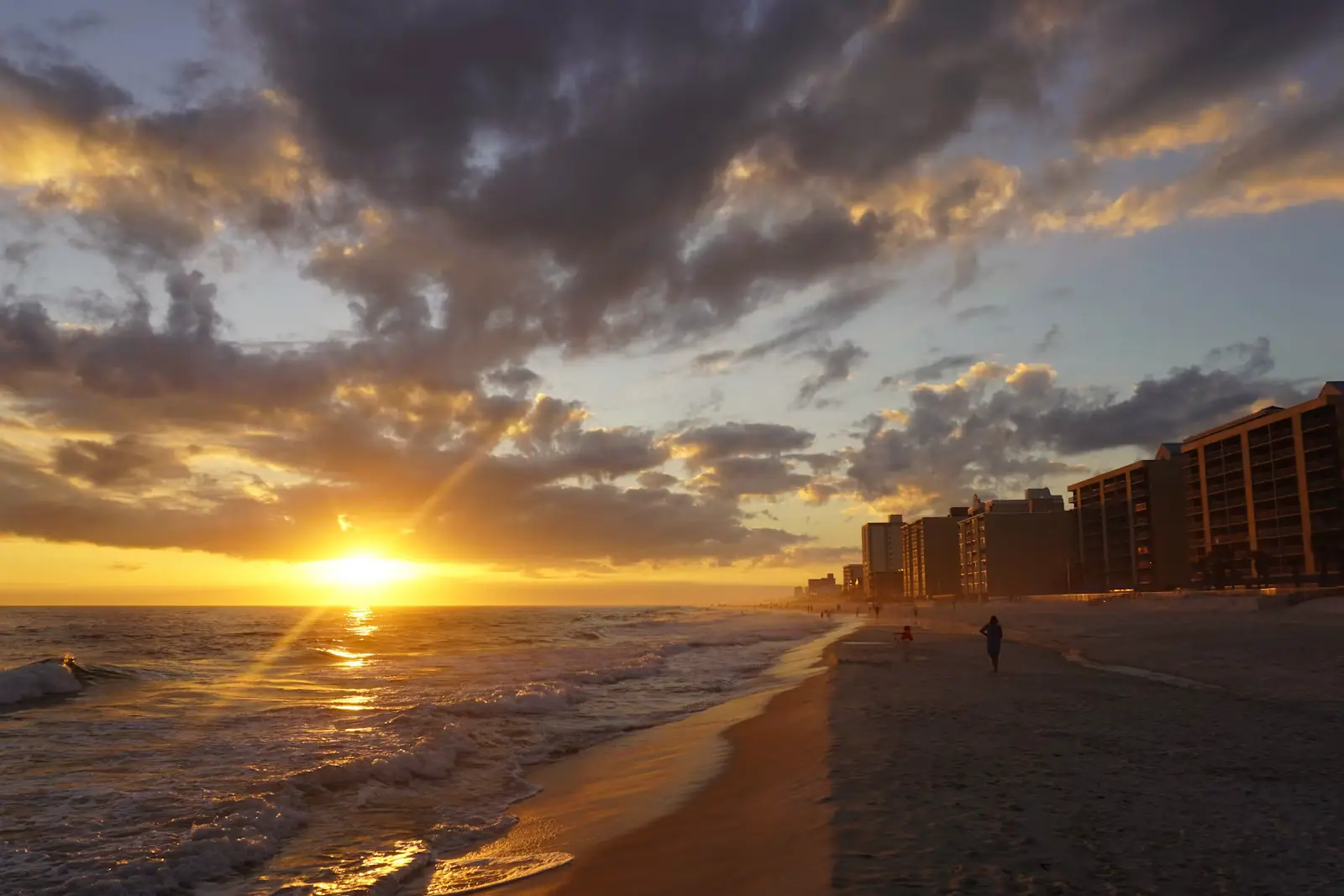
Everything elseCondominium towers along the beach road either side of the parkThe standard Gulf Shores week, which is what most visitors actually book

The campground is the one that needs planning. It is effectively a village in spring and summer, reservations open well ahead, and the best sites near the water go immediately. It also gives you something no condominium can: you are inside the trail network rather than driving to it.

Nothing here is cheap in June. Everything here is reasonable in November.

Why almost everything you see is new

Hurricane Ivan made landfall on this stretch of coast in September 2004 as a major hurricane and took the park's lodge and convention centre with it. Hurricane Sally came ashore near Gulf Shores in September 2020, moving slowly, and did a second round of damage including to the pier. The park you walk through is the product of both events and of the long rebuilding that followed, much of it funded out of money that reached Alabama after the Deepwater Horizon spill.

Practical consequences for a visitor. Check individual facilities rather than assuming: a park this size can be fully open while one trail spur, one boardwalk or one restroom block is closed for repair. Hurricane season runs from the beginning of June to the end of November, and the genuinely risky window on this coast is August into October. If a system is anywhere in the Gulf, the park's own updates are more reliable than a booking site.

Two lesser warnings that catch people out. Alligators live in the lakes and the marsh, they are not fenced away from the trails, and the rule is the simple one: keep your distance, keep dogs leashed and never feed them. And the inland trails hold mosquitoes and biting flies in a way the breezy beach does not, particularly at dusk between May and September. Repellent is not optional back there.

Near Gulf State Park

Straight-line distances, so allow more on the road — the island is long and has one main parkway.

  • Two anglers casting from a concrete pier into open water in the last light of the evening
    Landmark

    Gulf State Park Pier

    1,540 feet of concrete over the Gulf, rebuilt twice after hurricanes, with a three-dollar walking ticket most visitors never notice.

    1–5 hoursTwo tickets: all-day fishing around $10 for an adult, and all-day sightseeing around $3. Children 11 and under are free for both.1 mi away

  • A narrow walkway running through thick forest with light coming through the canopy above
    Free
    Trail

    Hugh S. Branyon Backcountry Trail

    More than 28 miles of paved trail through swamp, pine ridge and dune, ridden by road bikes, wheelchairs and three-year-olds alike.

    1–5 hoursFree. There is no charge to use any part of the trail network.0.8 mi away

  • A sandy shoreline fringed with pines beside flat, still freshwater
    Free
    Water feature

    Lake Shelby

    A coastal dune lake one dune ridge behind the Gulf, holding largemouth bass and redfish in the same water, with a free ramp.

    1–5 hoursFree to visit, fish from the bank and launch a boat. Pavilion reservations and equipment hire cost extra.1.2 mi away

  • Gentle surf running onto pale sand with turquoise water beyond
    Beach

    Romar Beach

    A state park beach access with an Orange Beach address, which means state parking rules, not city ones, and a 1920s name nobody explains.

    1.5–5 hoursFree to walk on. Parking is the Gulf State Park flat daily vehicle rate, recently around $15.2.4 mi away

Gulf State Park: common questions

How big is Gulf State Park?

Around 6,150 acres, running from about two and a half miles of Gulf beach north across three freshwater lakes towards the Intracoastal Waterway. It sits between Gulf Shores and Orange Beach and is the only state park on Alabama's Gulf coast, which is why it carries so much of the region's outdoor recreation. More than twenty-eight miles of paved trail cross nine distinct habitats inside the boundary.

Is Gulf State Park free to enter?

The trails, the Nature Center and the inland areas are free. The Gulf beach and pier car parks charge a flat daily rate per vehicle, recently around fifteen dollars, and that rate has included one pier fishing permit for one angler in the car. An annual permit is sold at park headquarters in person. There is no charge simply to walk or cycle into the park from a trail connection.

Are there alligators in Gulf State Park?

Yes. American alligators live in the park's lakes, marshes and swamp, including in the Gator Lake area whose name is not decorative. They are not fenced away from the trails, and sightings from a boardwalk or a bank are common rather than rare. Keep a wide distance, keep dogs leashed and never feed one. Feeding is what turns an indifferent animal into a dangerous one, and it is illegal in Alabama.

How do you book camping at Gulf State Park?

Through the park's own reservation system, and much further ahead than most people expect. The campground has 496 full-hookup sites plus a small number of primitive tent pitches on Middle Lake, which makes it one of the largest in the Southeast, and the waterside sites for spring and summer go almost as soon as the booking window opens. Cabins and cottages along Lake Shelby book on the same pattern.

What is there to do at Gulf State Park besides the beach?

The inland half is the reason to come. More than twenty-eight miles of paved trail carry walkers, cyclists and wheelchairs through pine flatwoods, coastal scrub and hardwood swamp. There are three freshwater lakes for paddling and bank fishing, a Nature Center with staff who will identify what you saw, picnic areas, a pier on the Gulf, and enough alligators, herons and migrating songbirds to make a slow morning worthwhile.