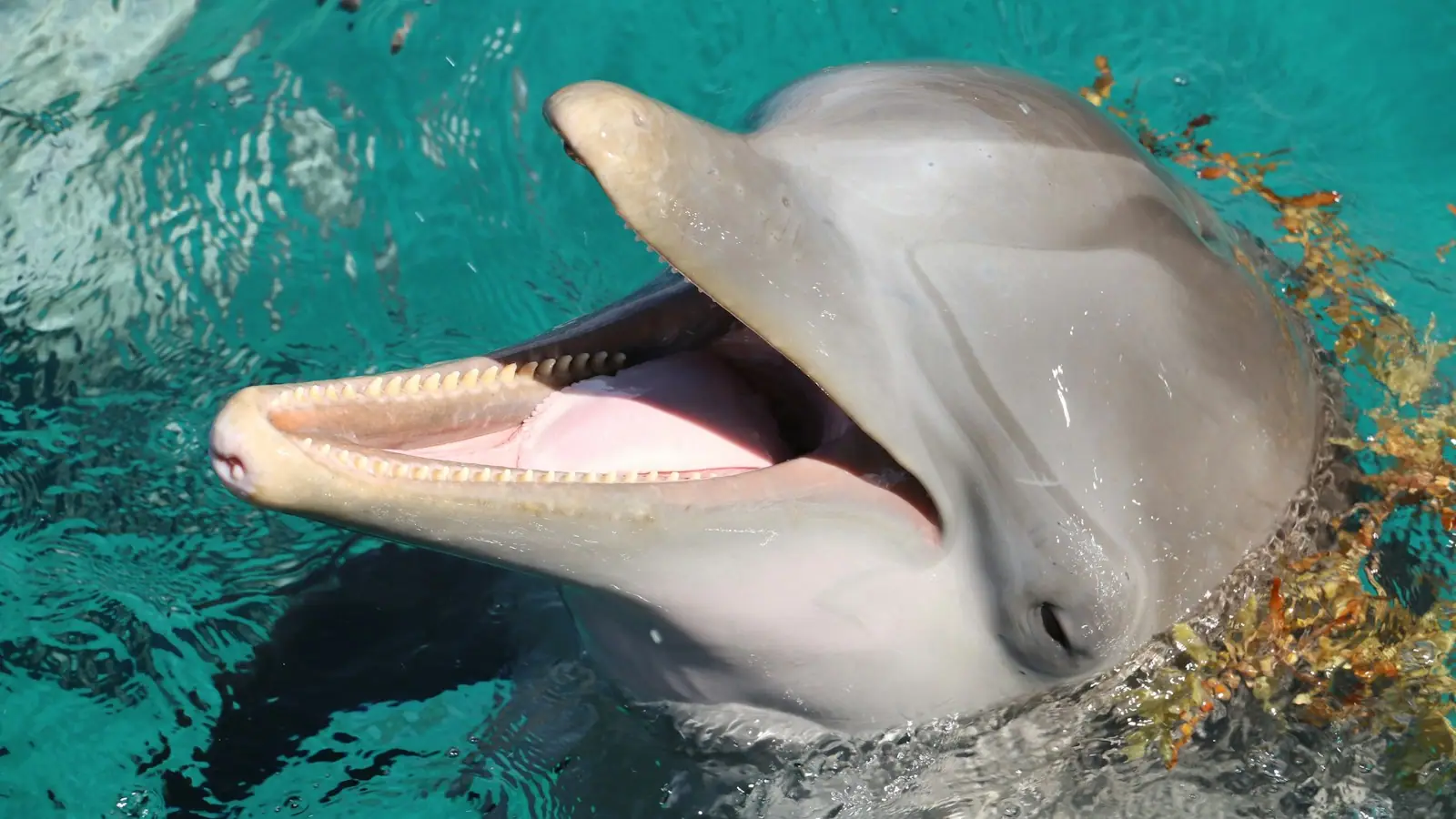
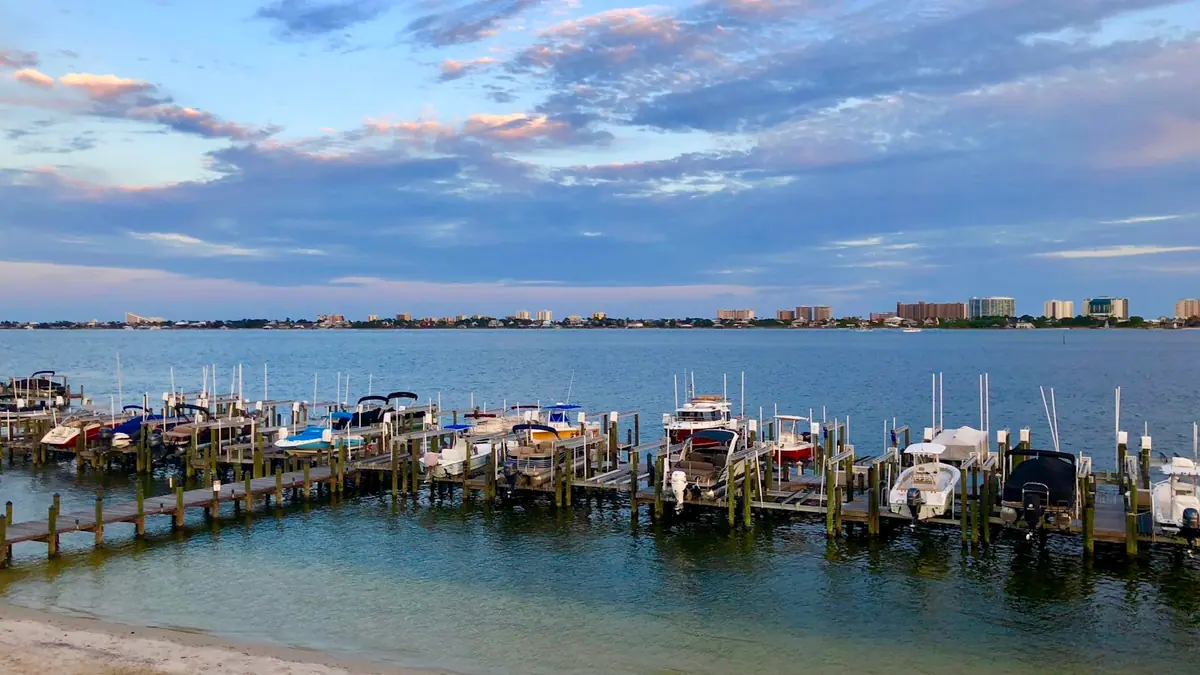
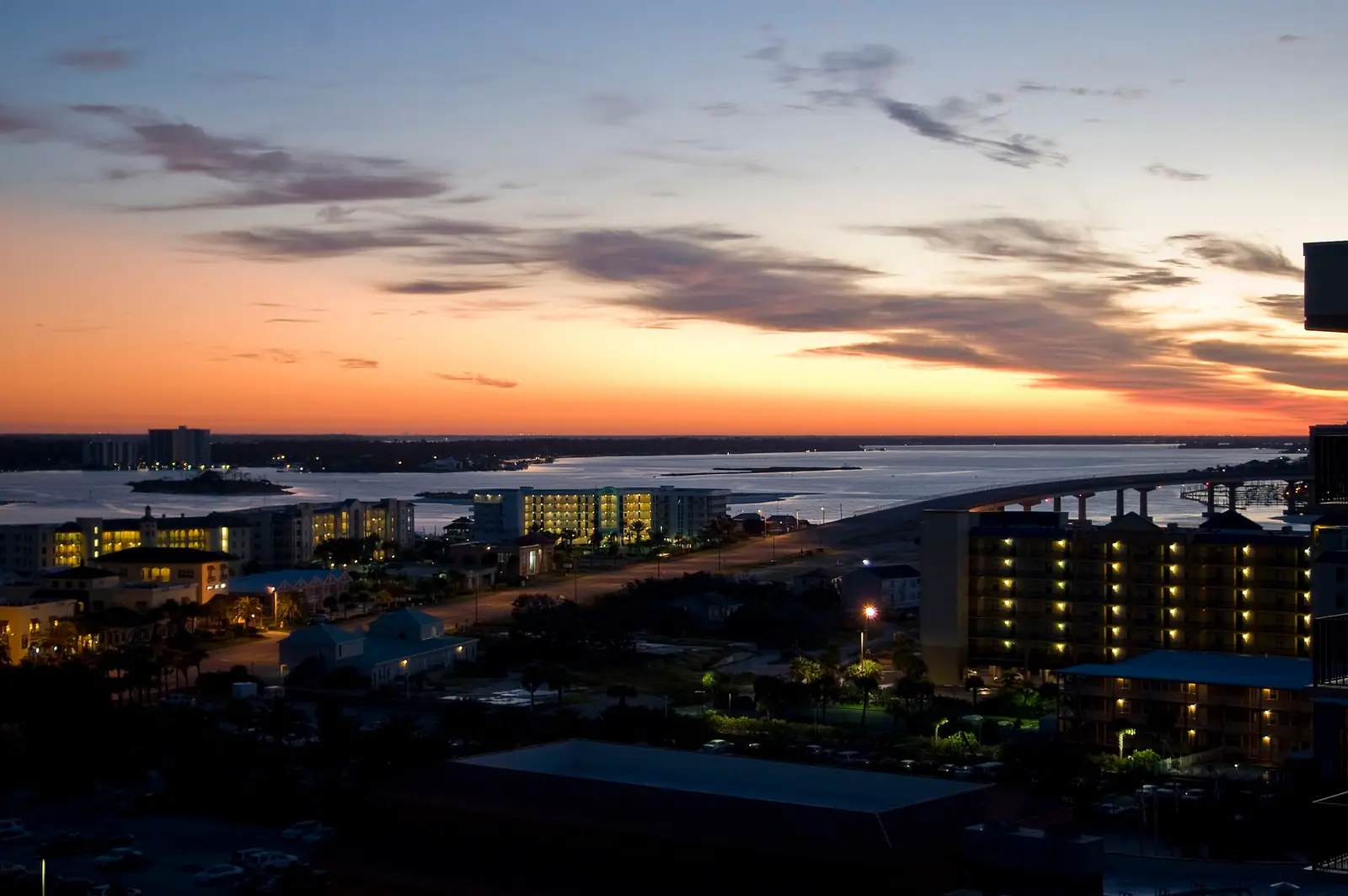
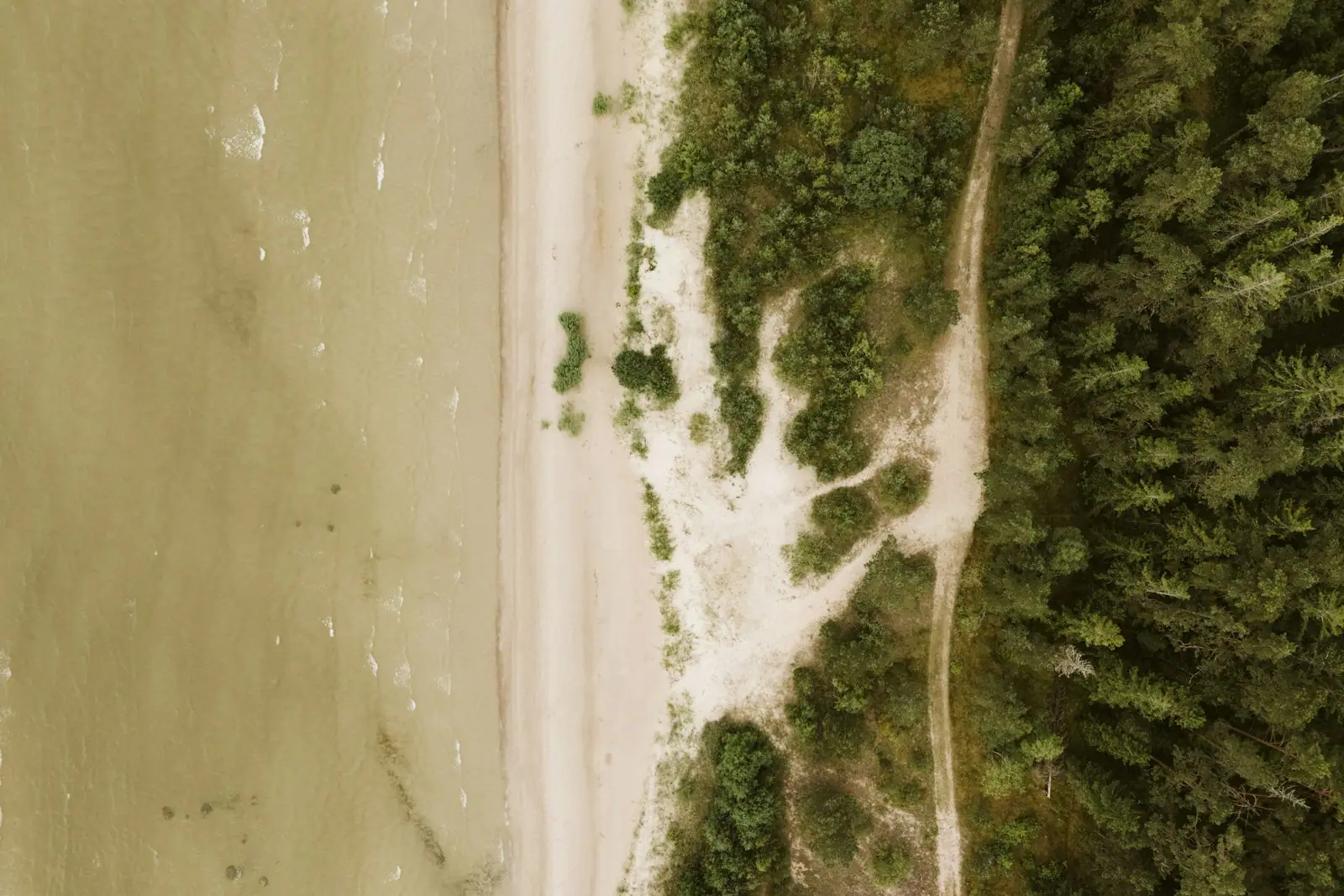
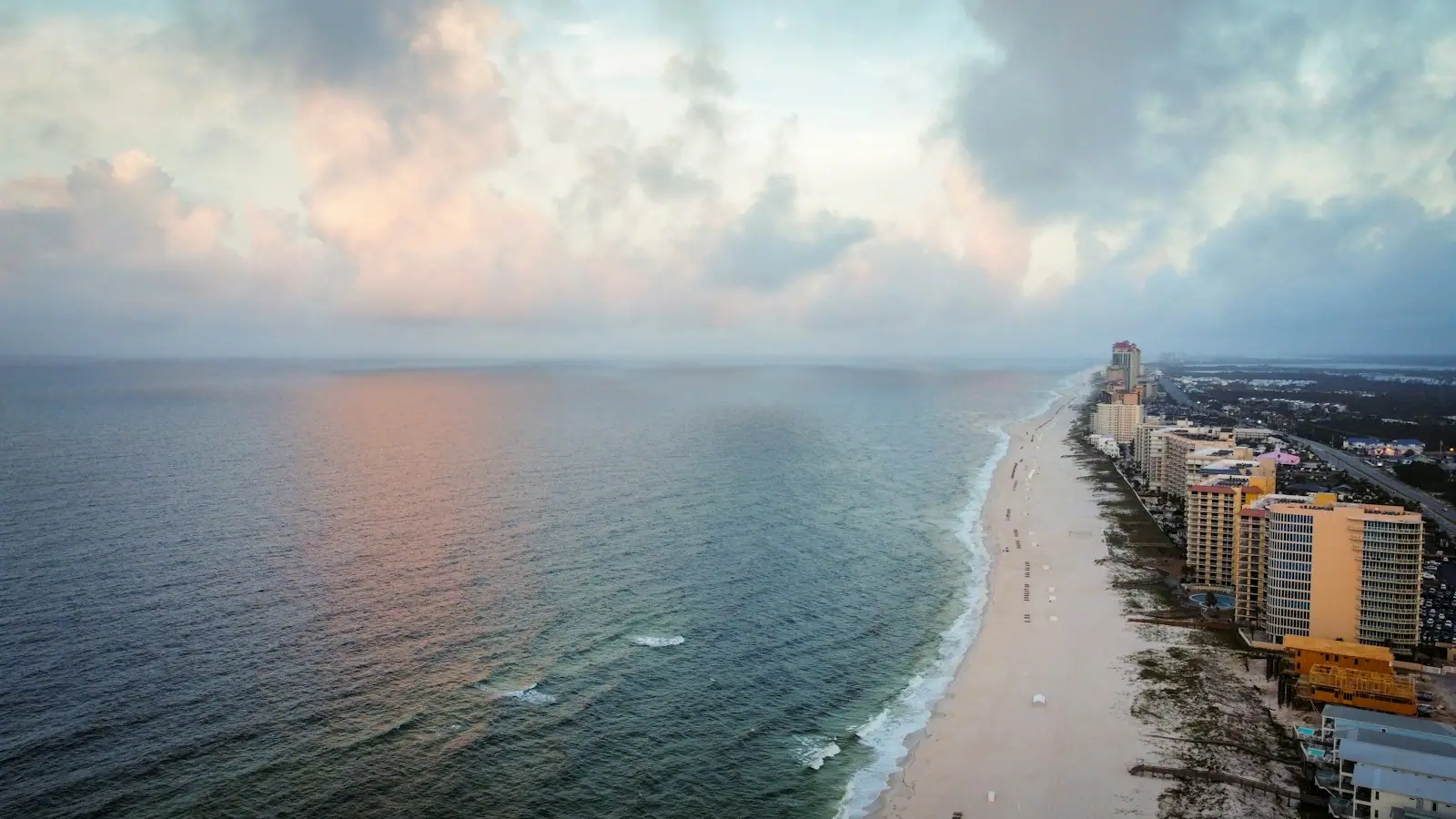
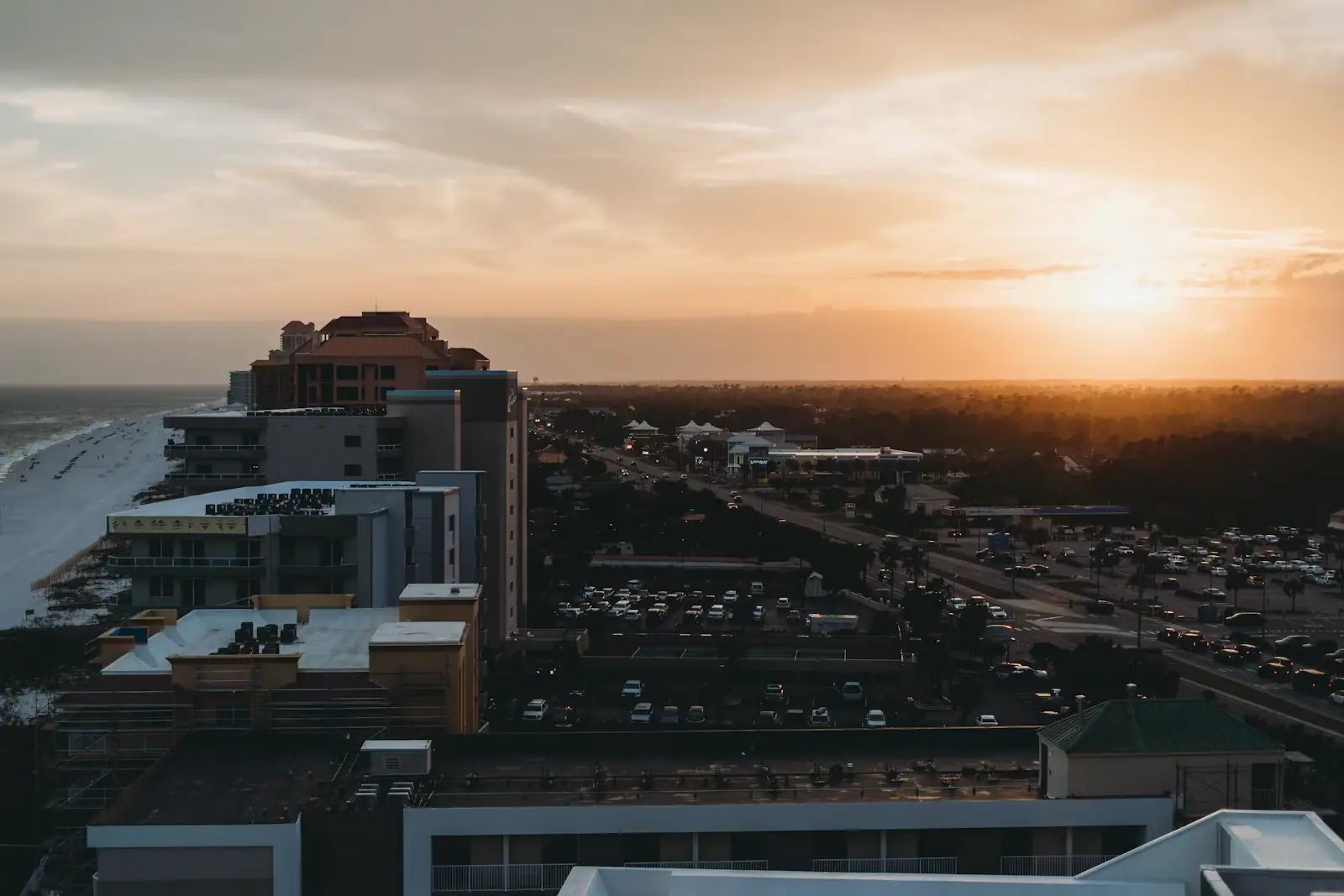
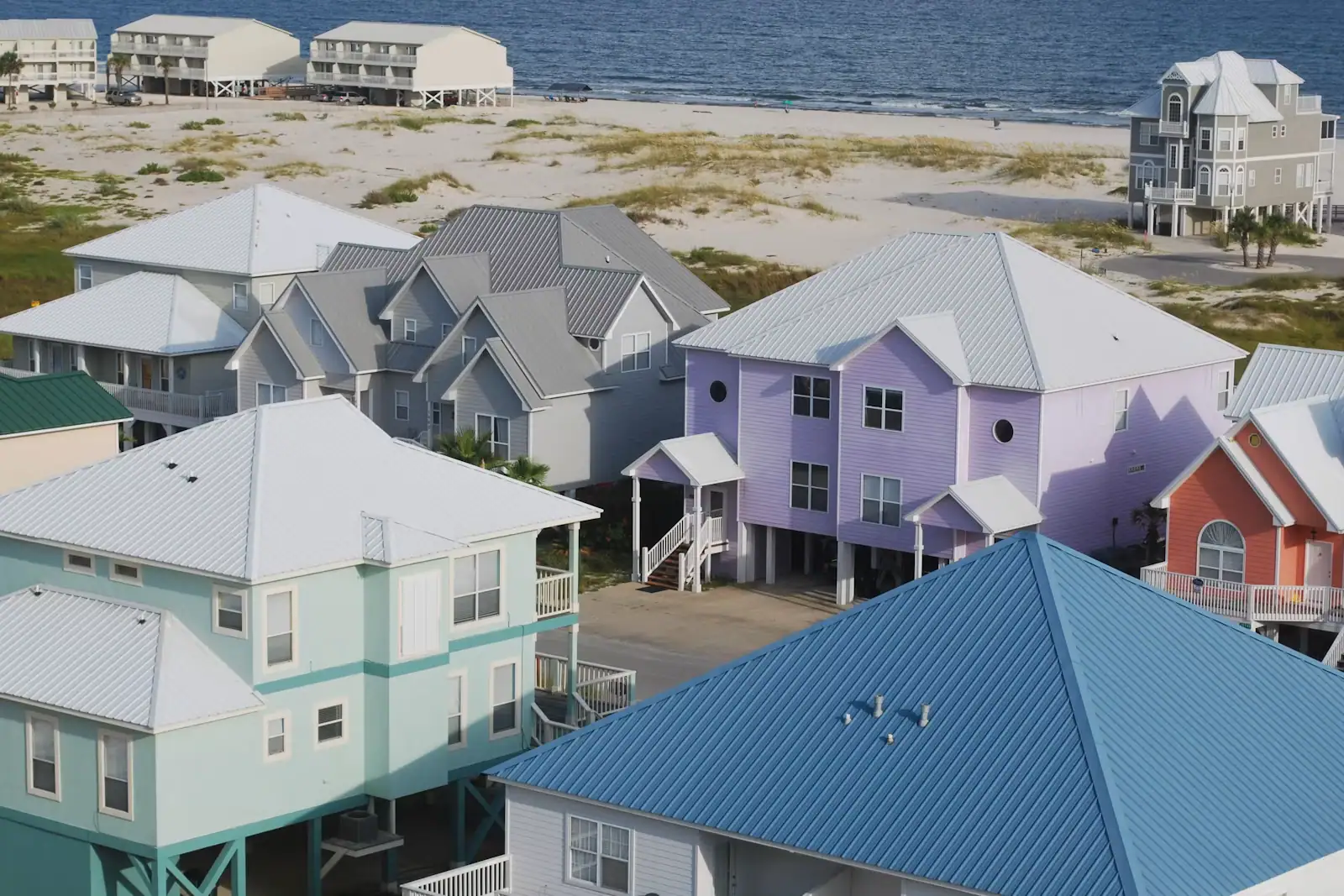
Alabama's coast is two bodies of water stacked one behind the other, and that is the single fact that decides how you should go looking for dolphins here. In front of you is the Gulf: thirty-two miles of open beach with nowhere to hide from a south wind. Behind you, separated from the beach by a strip of land often less than half a mile wide, is a linked system of shallow bays and bayous — Little Lagoon, Bon Secour Bay, Wolf Bay, Arnica Bay, Terry Cove, Bayou St. John, Perdido Bay — threaded together by the Intracoastal Waterway. Atlantic bottlenose dolphins live in both. The ones out front move; the ones in the back bays largely do not.
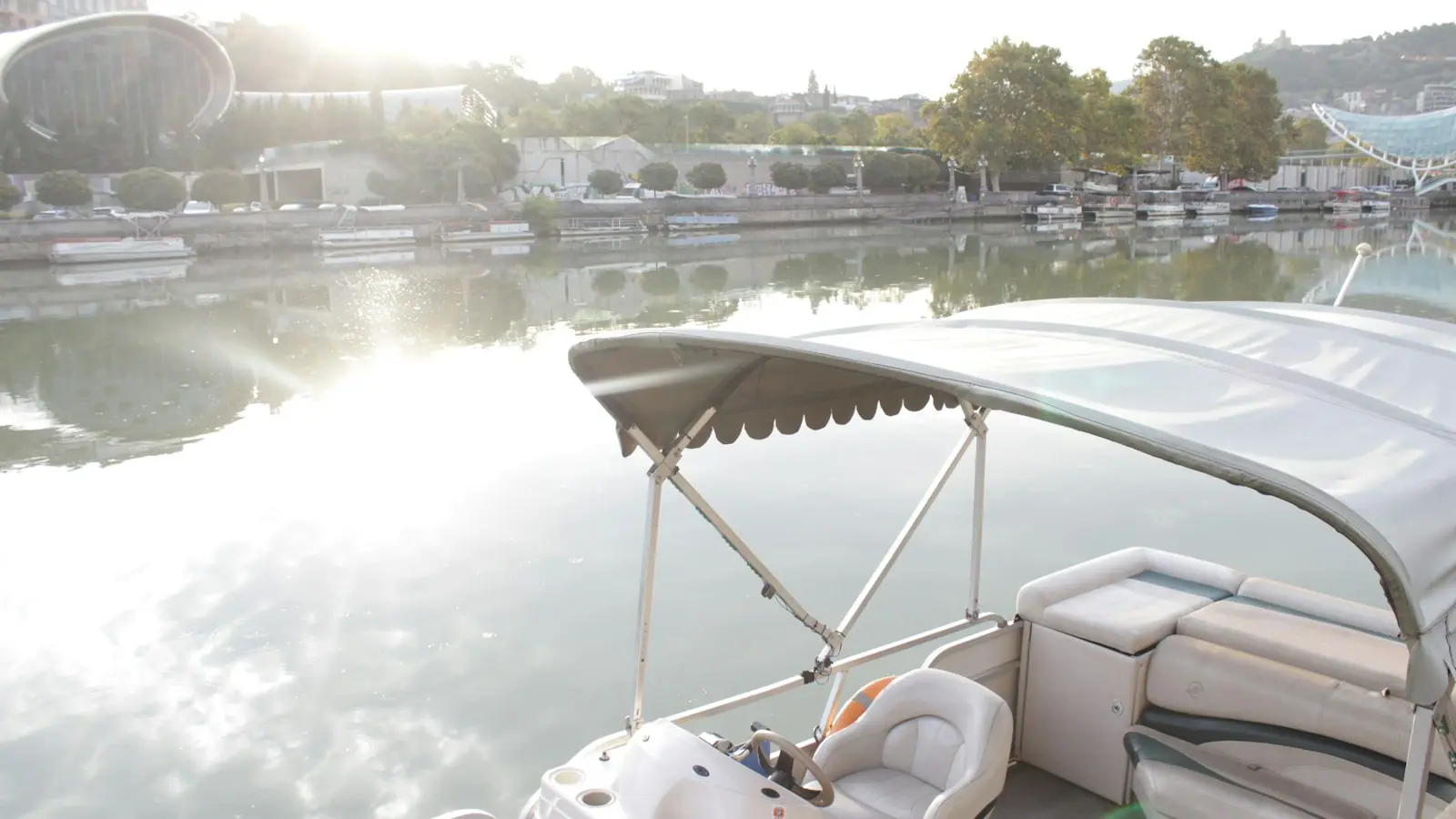
That second group is the reason a trip here works in weather that would cancel one elsewhere. Researchers along the northern Gulf track resident groups that spend their whole lives inside a handful of square miles of the same estuary, and local captains tend to recognise individual animals by the nicks in their dorsal fins. If you have taken a dolphin trip somewhere the boat had to punch out through an inlet into open sea, this is a different proposition. On a morning when the Gulf is running four feet, a boat working Wolf Bay is on water you could read a map on.
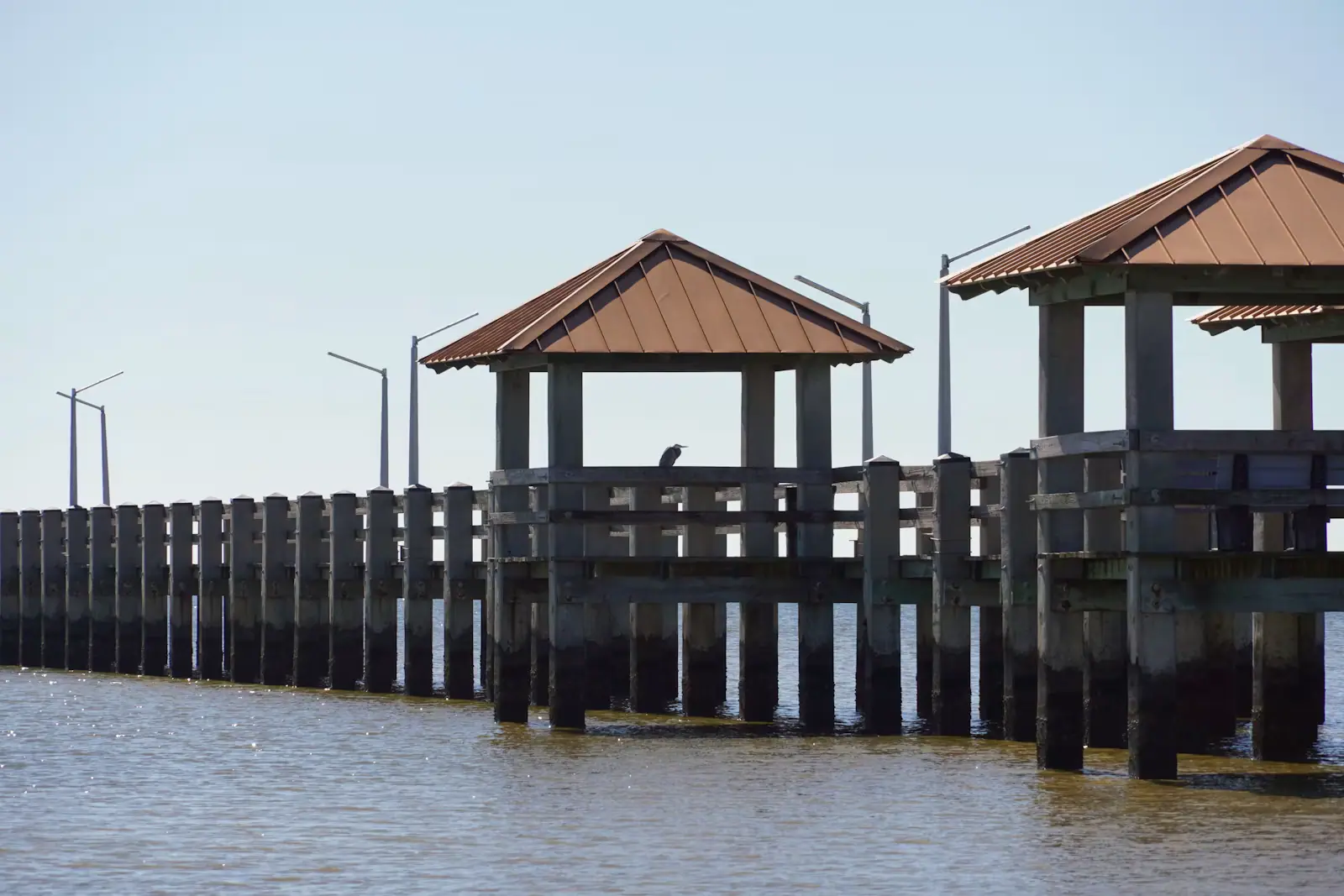
The pinch point is Perdido Pass, at the eastern end of the coast under the Alabama Point bridge. Every drop of water moving between the back bays and the Gulf at this end of the state goes through that one cut, and it drags bait through with it. Dolphins work the pass on a running tide the way they work an estuary mouth anywhere, and because the bridge, the jetties and the beaches on both sides put people right on top of it, this is where most visitors see their first fin. It is also the busiest water in Baldwin County on a July afternoon, which is a genuine reason to go early.
Then there is the fleet that has nothing to do with tourism. Shrimp boats still work out of Bon Secour and the wider Mobile Bay system, and dolphins follow a trawl the way gulls follow a plough, picking off what comes over the side. Seeing that happen is not something you can book. It is something you notice, usually from a boat that was going somewhere else.
One honest caution before you spend money. There is no swim-with-dolphins operation on this coast and there should not be: these are wild animals, federal rules ask you to stay fifty yards off, and feeding them is illegal. Anything advertised as a guaranteed encounter is selling you a sighting, not an interaction. The sightings are genuinely reliable. The rest is not on offer.