Skip to content
Search
Menu

These bookings go through Viator, and we are paid for them. Your price is the same, and the payment had nothing to do with the picks.

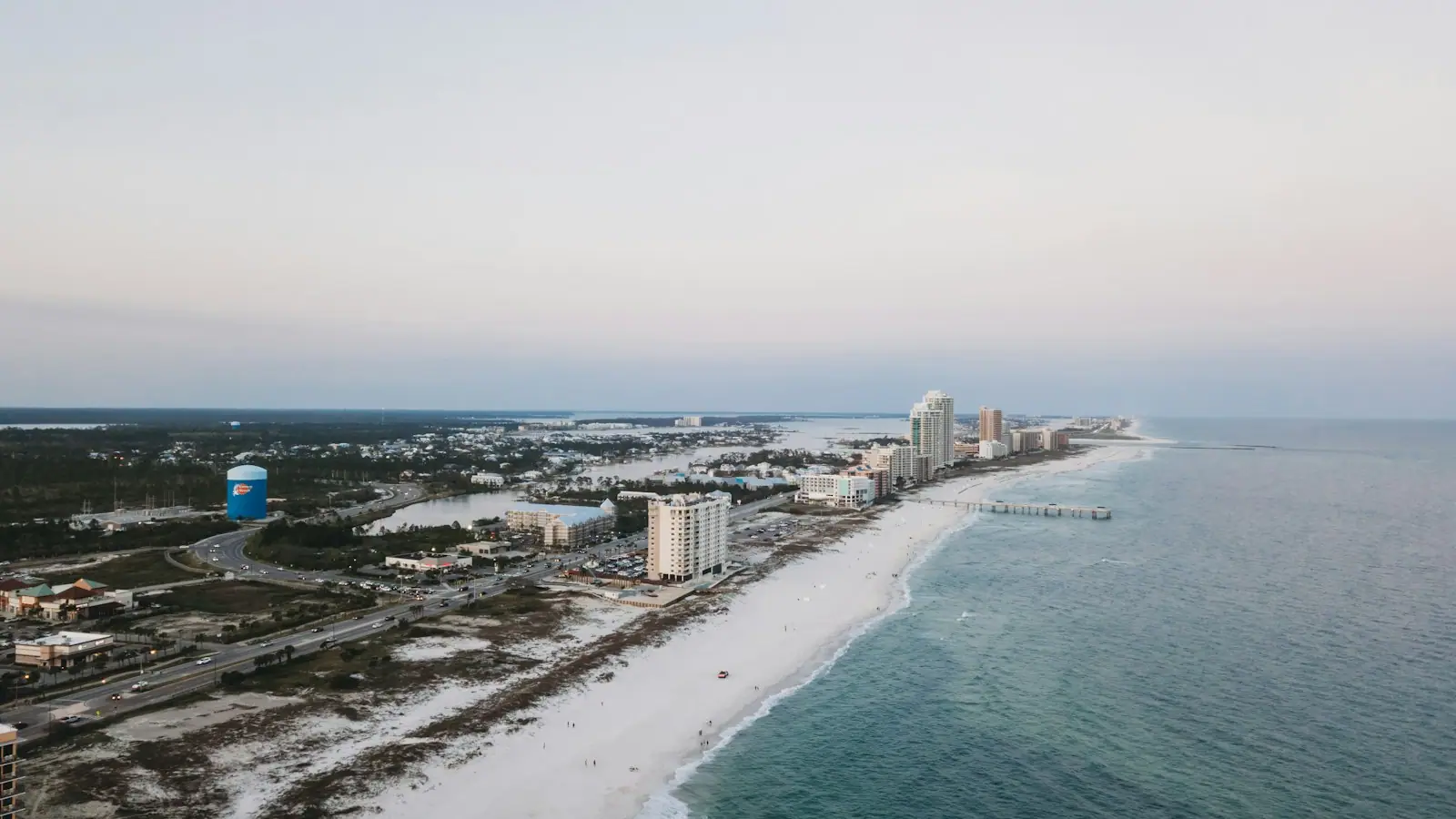
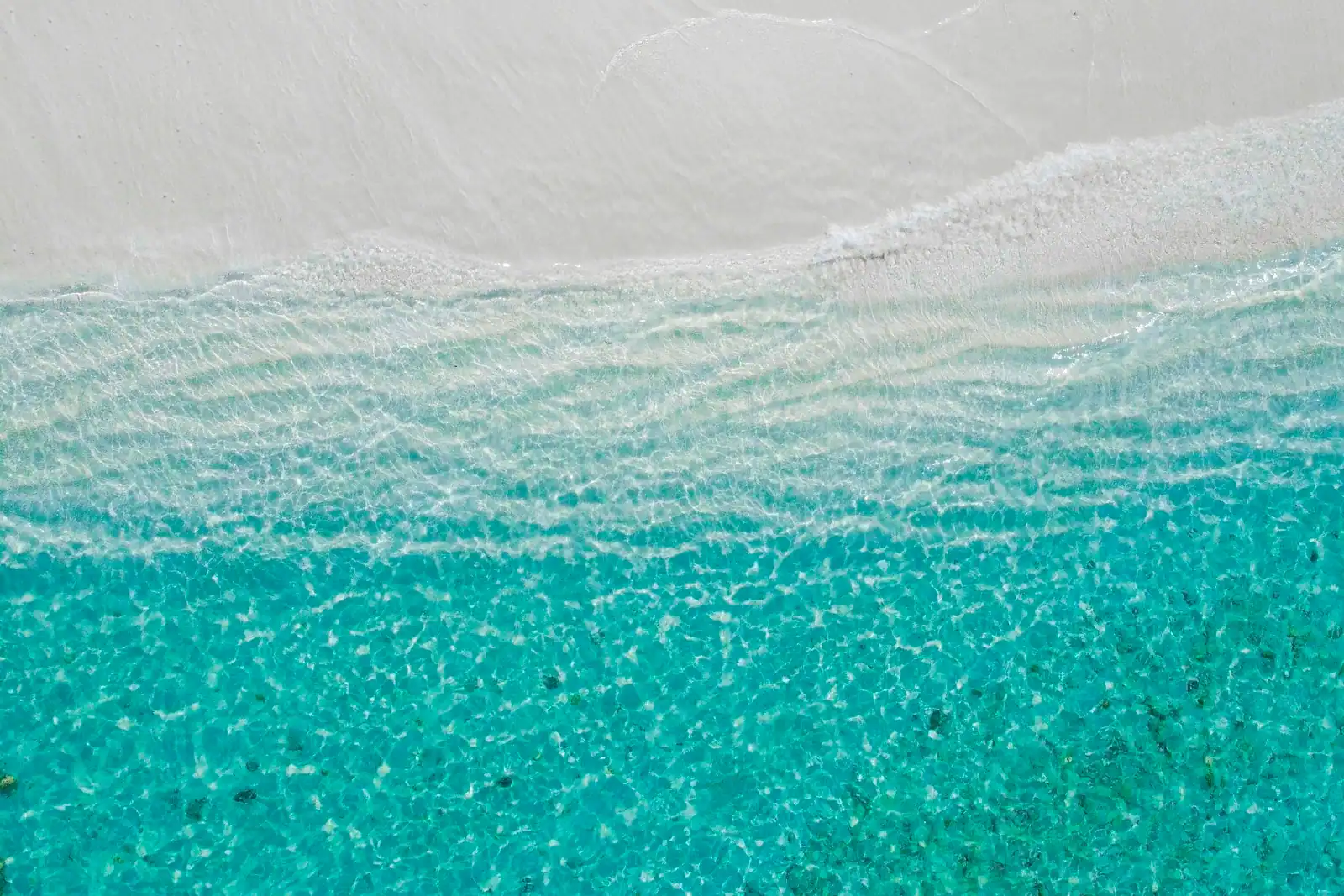
Gentle surf running onto pale sand with turquoise water beyond
Gskinner1224

Beach

Romar Beach

Last updated

A state park beach access with an Orange Beach address, which means state parking rules, not city ones, and a 1920s name nobody explains.

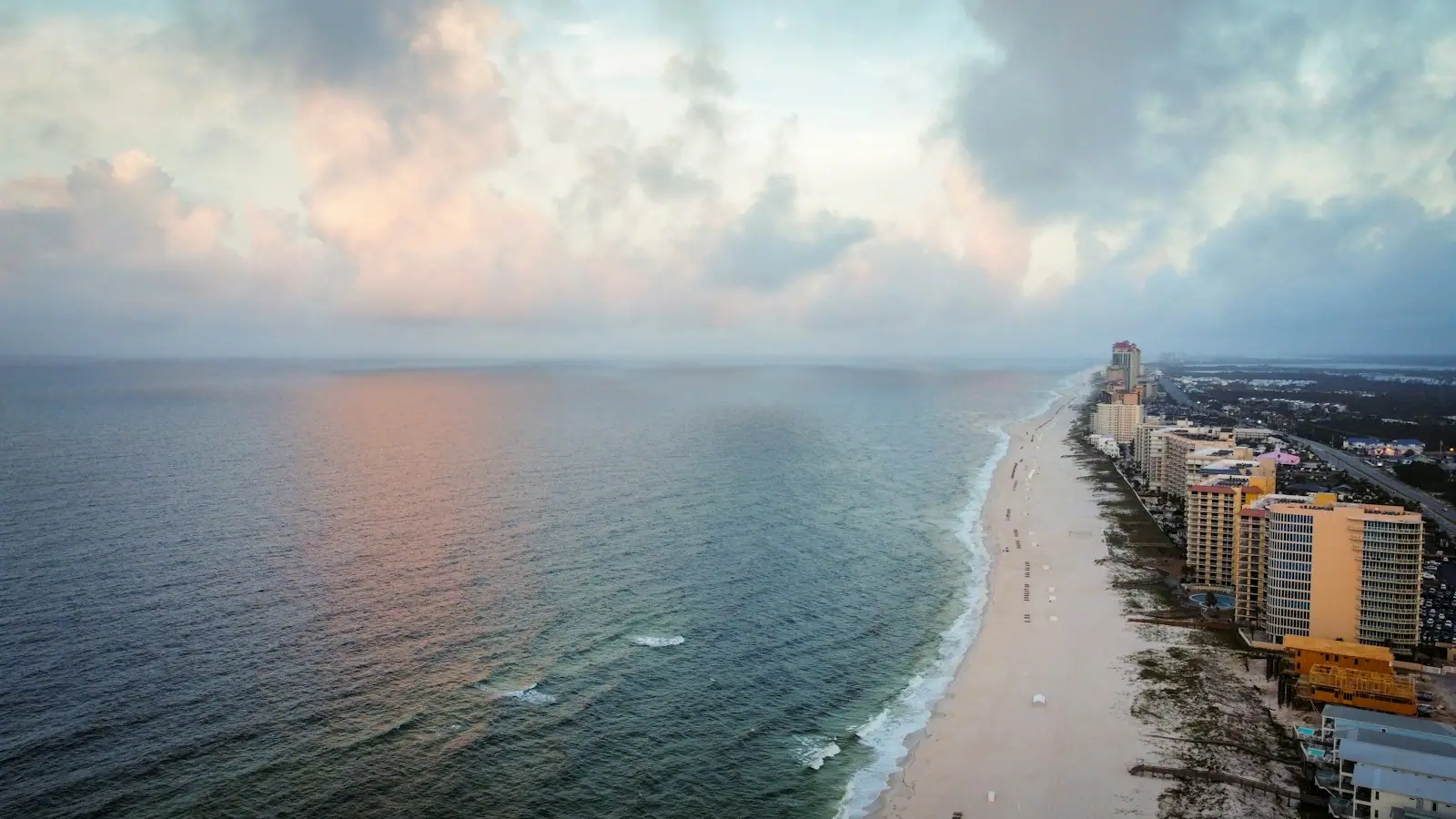
Romar confuses people for a structural reason. It has an Orange Beach address, it sits in the middle of Orange Beach's condominium frontage, and it is not run by Orange Beach. It is one of a handful of Gulf State Park beach accesses strung along Perdido Beach Boulevard, which means the parking here works on the state park's flat daily vehicle rate rather than the city's arrangements, and a pass that works at one does not necessarily work at the other. Visitors turn up having read about Orange Beach parking and find a different sign.

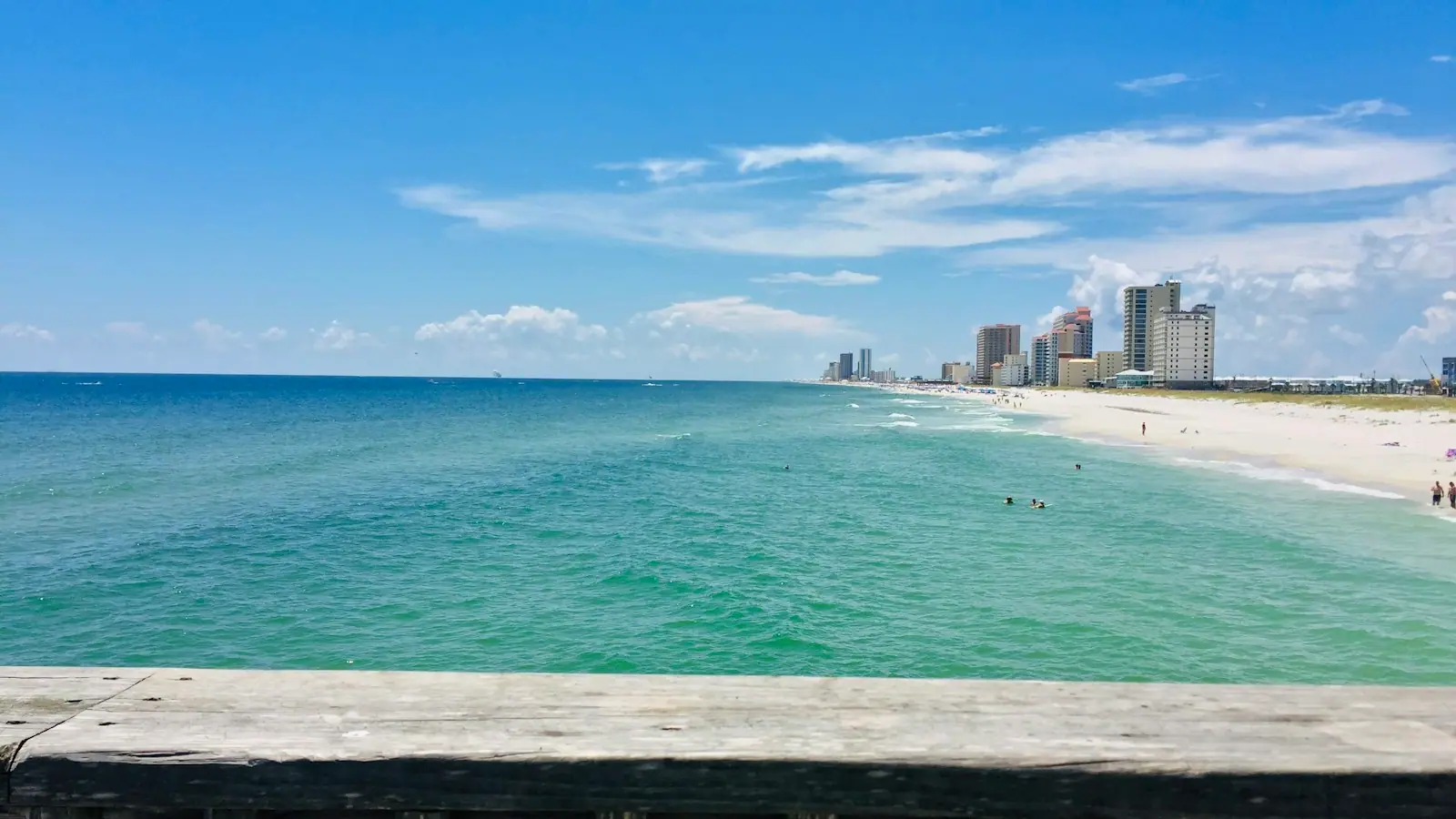
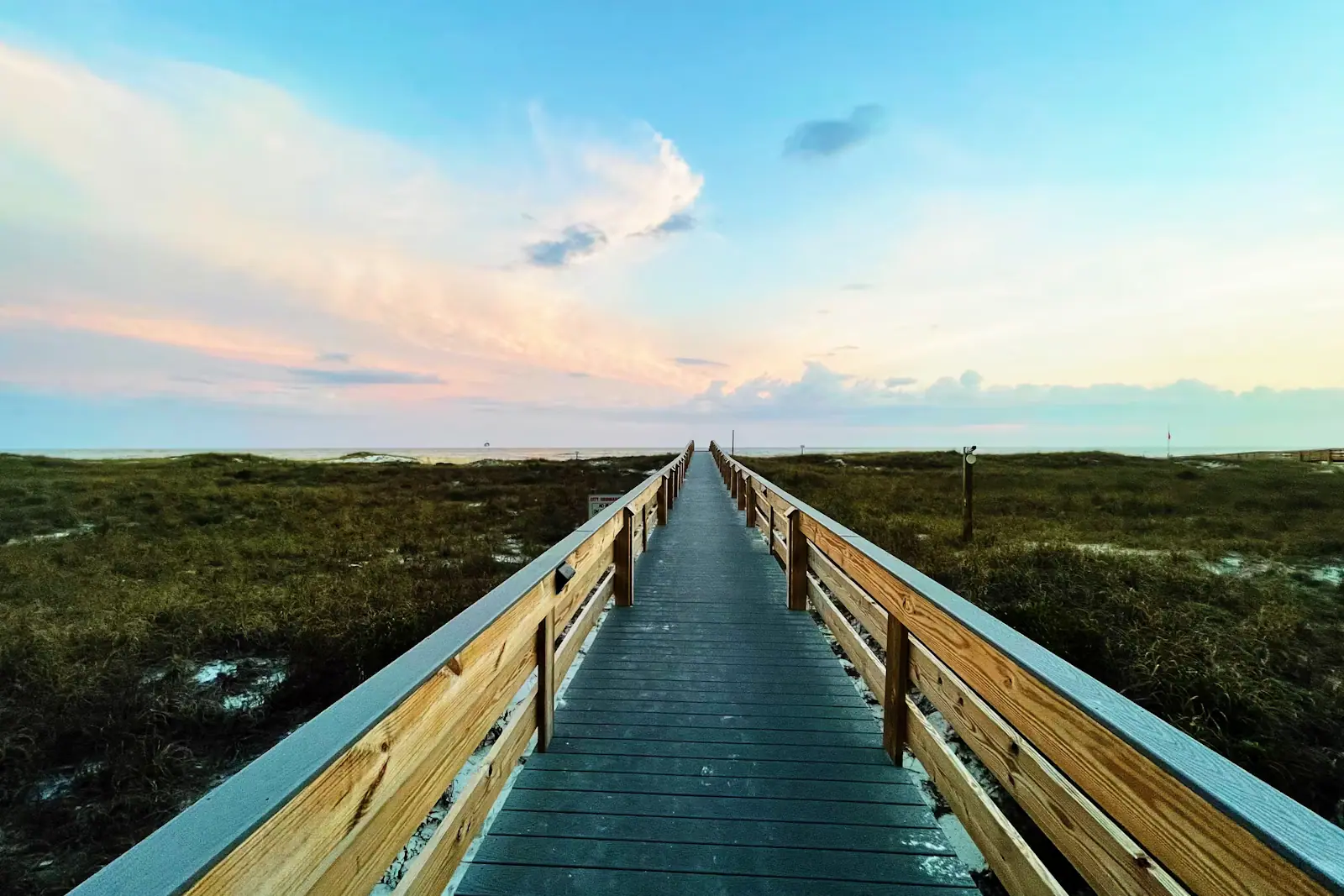
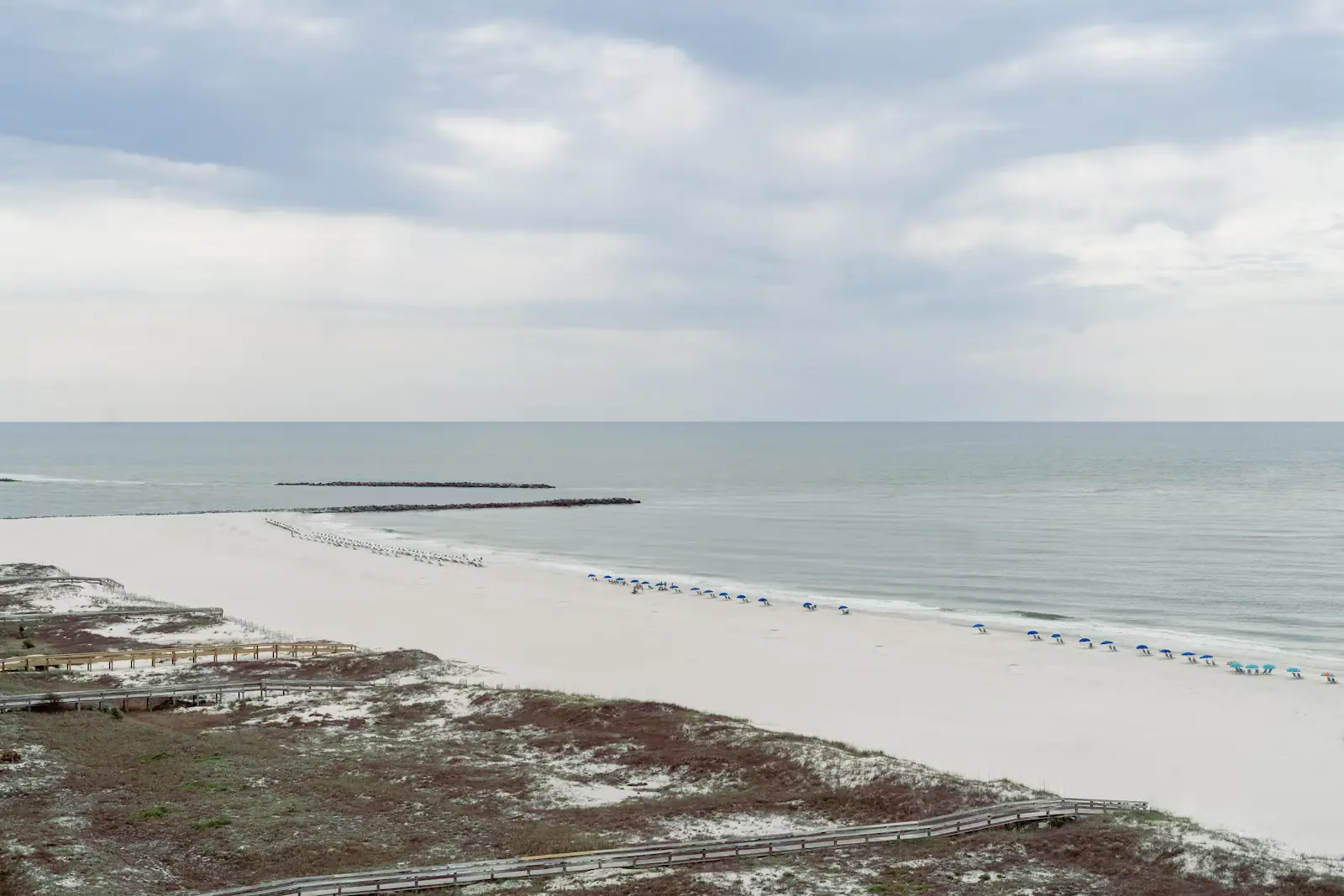
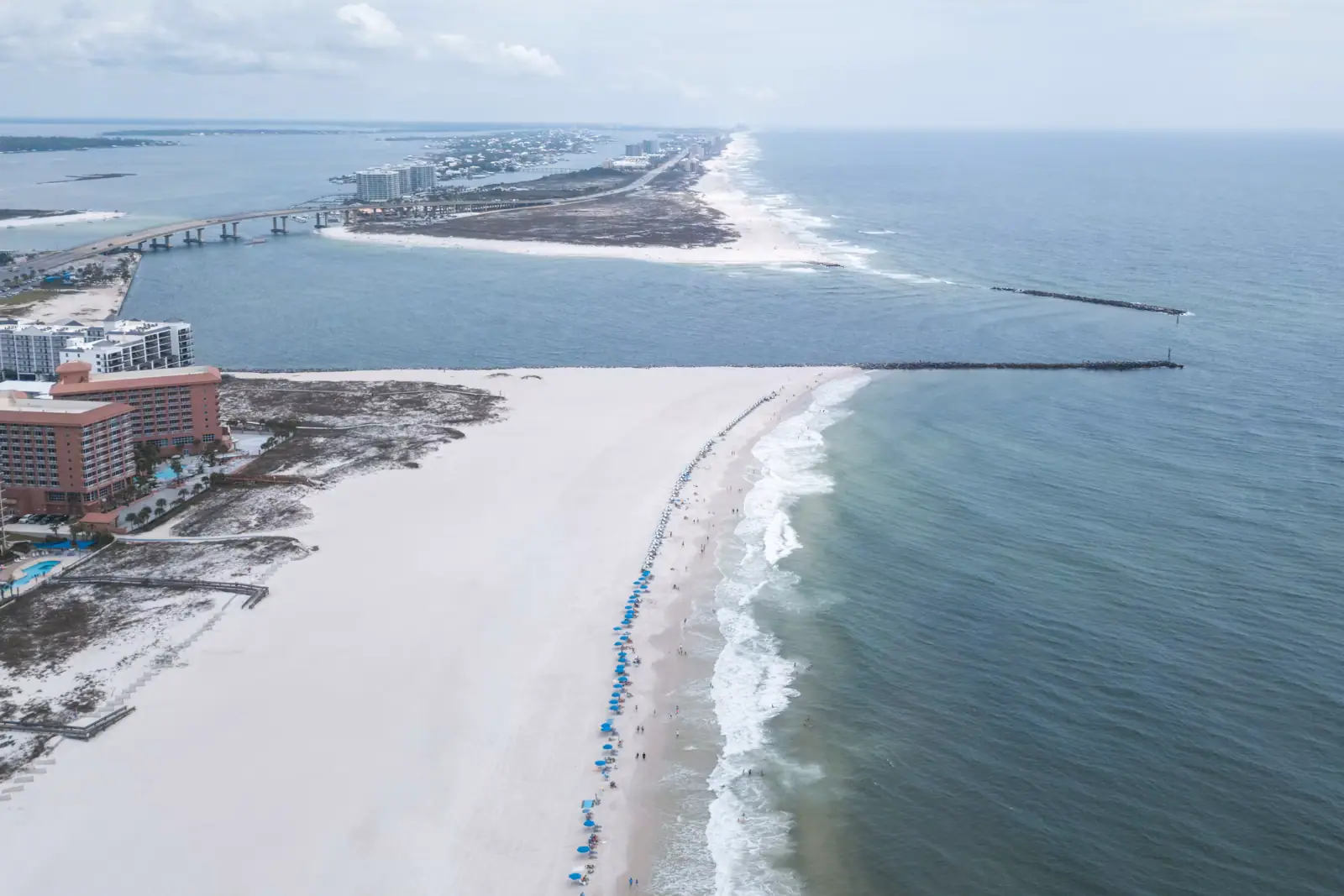
Geographically it is easy: about six and a half miles east of the Highway 59 junction in Gulf Shores, and a bit over a mile west of Highway 161. The beach is a paved lot, a boardwalk over the dune, and then quartz sand in both directions with towers behind it. A lifeguard stand is staffed for part of the year. Restroom provision has moved between permanent and portable over the years, so check rather than count on it.

The name is the best thing here and nobody in the car park knows it. Around 1924 two business friends from Mobile, Spurgeon Roche and Carl Martin, built the first two houses on this stretch of beach. They took the first letters of their surnames and stuck them together, and the resulting word outlived both men, the houses, the road and the entire twentieth-century development of the Alabama coast. One of the original buildings survives nearby as a bed and breakfast. Everything you can see from the dune line is younger than that name.

What Romar actually offers a visitor is a clean, unfussy, mid-coast access where you can park legally, walk twenty yards and be on the sand, without negotiating a resort or a hotel. That is worth more on this coastline than it sounds.

Getting there and parking

Romar sits on the Gulf side of Perdido Beach Boulevard (Highway 182), roughly six and a half miles east of the Highway 59 junction in Gulf Shores and about a mile and a quarter west of Highway 161 in Orange Beach. It is signed as a Gulf State Park beach access.

From Gulf Shores the drive is fifteen minutes outside summer traffic and considerably more inside it, because Highway 182 is the only coastal road and everybody is on it. From the north, Highway 161 comes down from Canal Road and meets the beach road just east of here.

The lot is not enormous and it fills on summer weekends by mid-morning. The state accesses either side, Cotton Bayou to the east and the park's pavilion lots to the west, are the obvious fallbacks.

Cycling here from either town along the beach road is possible but exposed; the Backcountry Trail network runs inland instead and does not reach this frontage.

Whose parking rules these are

This matters more than anything else on the page, because getting it wrong costs you either money or a citation.

Romar is a Gulf State Park beach access. So are Cotton Bayou, Alabama Point East and the park's own pier and pavilion lots further west. All of them charge the state park's flat daily rate per vehicle, which has recently been around fifteen dollars, paid on arrival rather than by the hour.

Gulf Shores, a few miles west, switched to hourly app-based charging in July 2026. Orange Beach runs its own arrangements at its own accesses. None of those systems is the one operating at Romar.

The state park sells an annual beach access permit, recently around two hundred dollars, which covers its accesses including this one. It has to be bought in person at park headquarters on State Park Road during weekday office hours — there is no online purchase and no machine at the beach. That trip is worth making for a family who come every year and pointless for a single week.

Orange Beach residents with proof of address inside the city limits, and military personnel, have had their own no-charge or reduced arrangements at the state accesses. Rates and eligibility are set by the state and revised, so confirm before you plan a week around a figure.

What is here, and what is not

Romar is a functional access rather than a destination park. The list is short and worth knowing in advance.

  • Paved parking with a marked lot, which is the main reason to come: on this stretch of Perdido Beach Boulevard almost everything else is private frontage belonging to a tower.
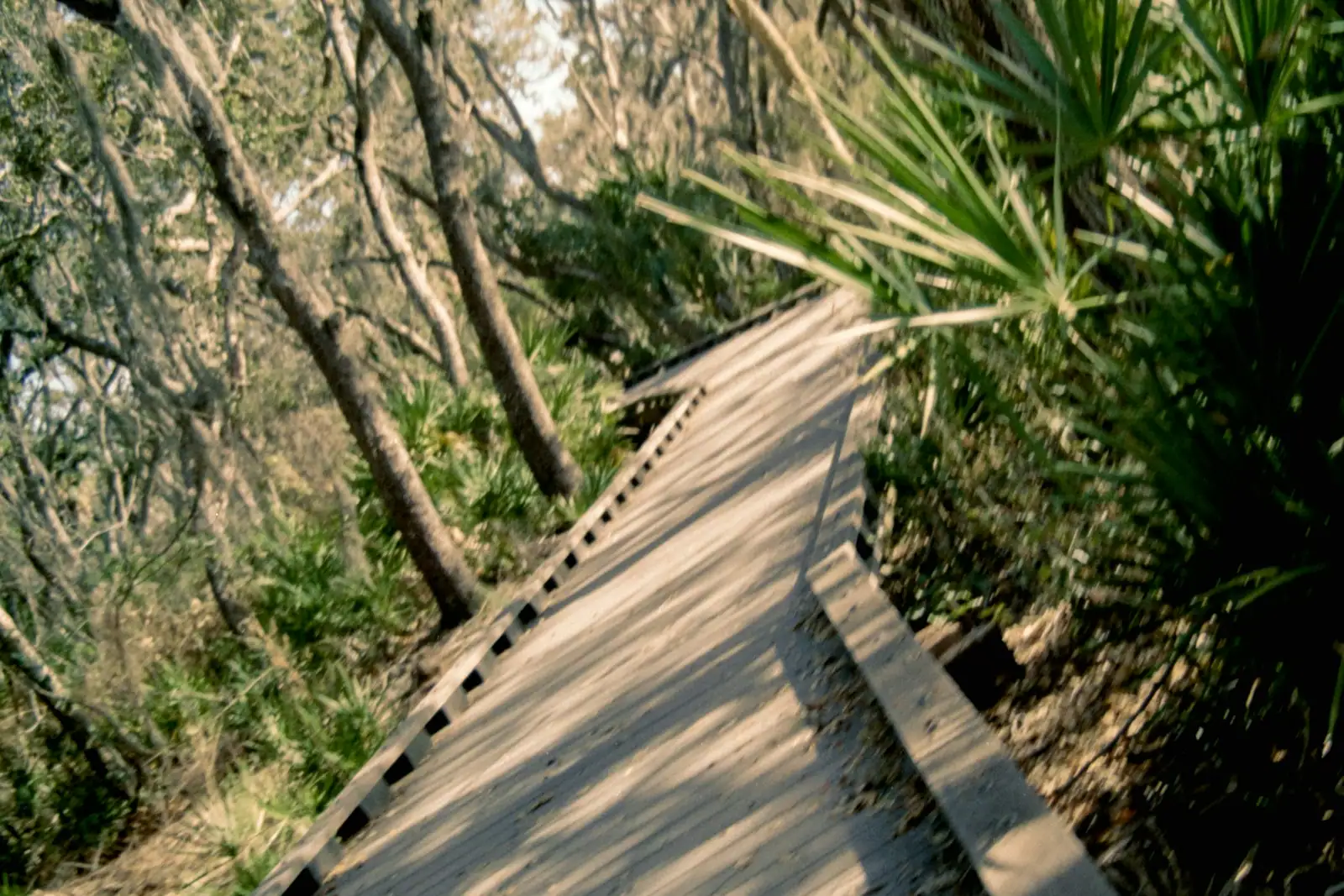
  • A boardwalk over the dune line, short and easy, rather than a scramble through soft sand.
  • Seasonal lifeguard cover, which is not year-round and not all day. Check the flag and check whether a stand is manned before you decide where to swim.
  • Restrooms, which have at times been portable rather than permanent. Do not build a day with small children around the assumption of a plumbed facility here.
  • No concession, no rentals, no food. The nearest of any of those is a drive, not a walk.

The sand is the same near-pure quartz that runs the length of this coast, and because there is no pier, no pavilion and no music, the crowd is a different shape from the one at the Highway 59 junction: mostly people staying in the towers either side, walking down for a few hours.

Take a sun shelter. There is no shade at any point between the car and the water.

Where Romar sits on the coast

Perdido Beach Boulevard runs east from Gulf State Park to Perdido Pass, and the public accesses along it are more alike than different. Choosing between them is mostly about what else you want that day.

Romar is the middle option: paved parking, a boardwalk, a seasonal lifeguard, and nothing else. Good if you want to swim and leave.

Cotton Bayou, further east, has the fullest facilities of the state accesses on this stretch and is the one to pick if accessibility matters.

Alabama Point East, at the very end by the pass, is the scenic one, with the jetties and the boat traffic in view, and is the worst of the three for swimming with children because of the current near the channel.

The state park's own pavilion and pier lots, west of here, bundle in restrooms, food and the pier ticket, and are busier for exactly that reason.

If you are staying in a tower on this road, the honest answer is often that your building's own boardwalk is the better beach and Romar is where your visitors park.
Near Romar Beach

Straight-line distances, so allow more on the road — the island is long and has one main parkway.

  • Rows of boats moored in a marina basin on flat water in early morning light
    Free
    Neighbourhood

    Orange Beach

    Alabama's other beach city: nine thousand people, a maze of back bays and the only cut from those bays to open Gulf water.

    3–10 hoursFree to visit. Beach parking is charged at both city and state park accesses.1.3 mi away

  • Sea oats on a low dune with a strip of white sand and bright turquoise water behind
    Free
    Beach

    Cotton Bayou Beach

    The Orange Beach access at the foot of Highway 161, with dune boardwalks, a state-park pay kiosk and no view of the bayou it is named for.

    2–6 hoursFree to walk on. Parking is charged by Gulf State Park: fifteen dollars a day for a car in 2026, with an annual pass sold separately.1.9 mi away

  • Aerial view of a narrow tidal pass cut between two low sandy shorelines
    Free
    Water feature

    Perdido Pass

    The only gap in thirty-two miles of Alabama barrier coast, armoured with granite, and the wrong place to let anyone swim.

    1–3 hoursFree to visit. Parking at the adjoining Gulf State Park beach accesses is charged per vehicle per day.2.5 mi away

  • Aerial view of a narrow tidal pass cut between two low sandy shorelines
    Free
    Beach

    Alabama Point

    Six thousand feet of beach beside the only rock on the Alabama coast, and the fastest water in the state running past the end of it.

    2–7 hoursFree to use. Parking at the state-run east access is charged at the Gulf State Park beach rate, fifteen dollars a day for a car in 2026.2.7 mi away

Romar Beach: common questions

How much is parking at Romar Beach?

It uses Gulf State Park's flat daily vehicle rate rather than an hourly charge, recently around fifteen dollars a day. That is a different system from Gulf Shores, which moved to hourly app-based parking in July 2026, and from Orange Beach's own accesses. An annual state park beach permit, recently about two hundred dollars, covers Romar and the park's other accesses but has to be bought in person at park headquarters on a weekday.

Where does the name Romar Beach come from?

From two surnames stuck together. Around 1924 Spurgeon Roche and Carl Martin, business friends from Mobile, built the first two houses on this stretch of beach, and the name combines the opening letters of Roche and Martin. One of those buildings survives nearby as a bed and breakfast. Everything else in sight from the dune line, including the road and the towers, arrived long after the name did.

Does Romar Beach have restrooms?

Provision has moved between permanent facilities and portable units over the years, so it is worth checking rather than assuming, particularly with young children. There is no concession, no food and no equipment hire on site at all. If reliable facilities matter for your day, Cotton Bayou further east and the state park's own pavilion and pier areas to the west are the better choices along this road.

Is Romar Beach in Gulf Shores or Orange Beach?

Both, in a sense, which is what confuses people. The address is Perdido Beach Boulevard in Orange Beach and the surrounding towers are Orange Beach buildings, but the access itself is operated as a Gulf State Park beach access. That means state parking rules and state permits apply here, not the city's. A pass bought from either city will not work in this lot.