Skip to content
Search
Menu

These bookings go through Viator, and we are paid for them. Your price is the same, and the payment had nothing to do with the picks.

Sea oats on a low dune with a strip of white sand and bright turquoise water behind
Alan Jeon

Beach

Cotton Bayou Beach

Last updated

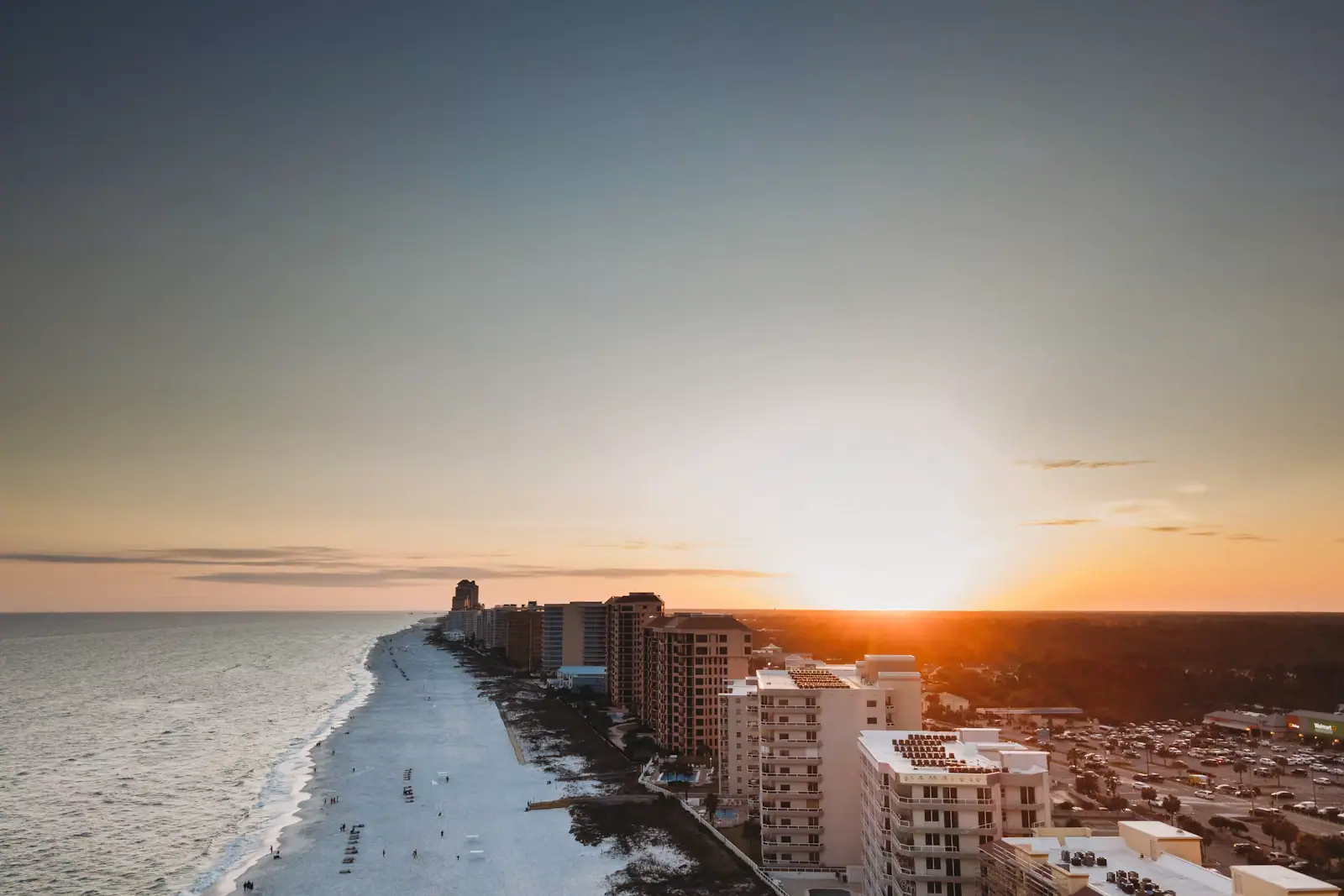
The Orange Beach access at the foot of Highway 161, with dune boardwalks, a state-park pay kiosk and no view of the bayou it is named for.

Photo: Alan JeonCC0

Two things surprise people at Cotton Bayou. The first is that you cannot see Cotton Bayou from it. The bayou is behind you, north of Perdido Beach Boulevard, curling back towards the Intracoastal; the beach took its name from the water on the other side of the road. The second is the pay kiosk. This looks like a municipal beach access and behaves like one, but the sand and the lot belong to Gulf State Park, and the state has charged to park here since spring 2021.

That matters more in 2026 than it used to. The daily rate went from ten dollars to fifteen at the start of the year, and the annual pass doubled to two hundred. The kiosks take cash and cards, give no change, and there is a licence-plate option through a QR code on the machine. Put the receipt on the dash if you pay at the kiosk. Nobody checks it aggressively, and then someone does.

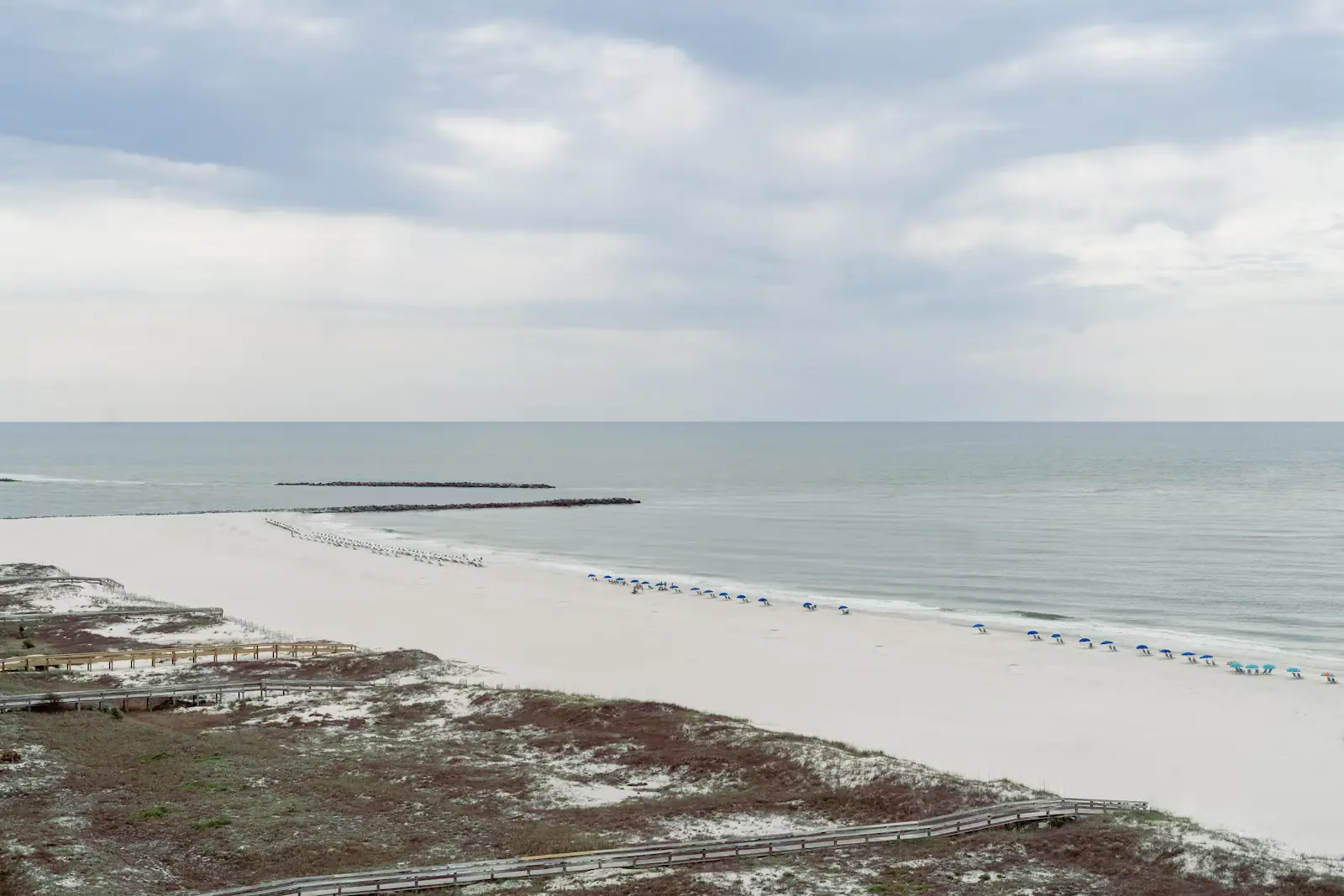
What you get for it is the most usable stretch of public sand between Perdido Pass and the Gulf Shores line. Two boardwalks cross the dune. One of them has a ramp rather than steps, with roll-out matting continuing down towards the water, which is why families pushing a wagon full of chairs come here rather than to the smaller accesses further west. There are restrooms, outdoor showers to rinse the sand off before you get back in the car, and a few picnic tables tucked in beside the comfort station.

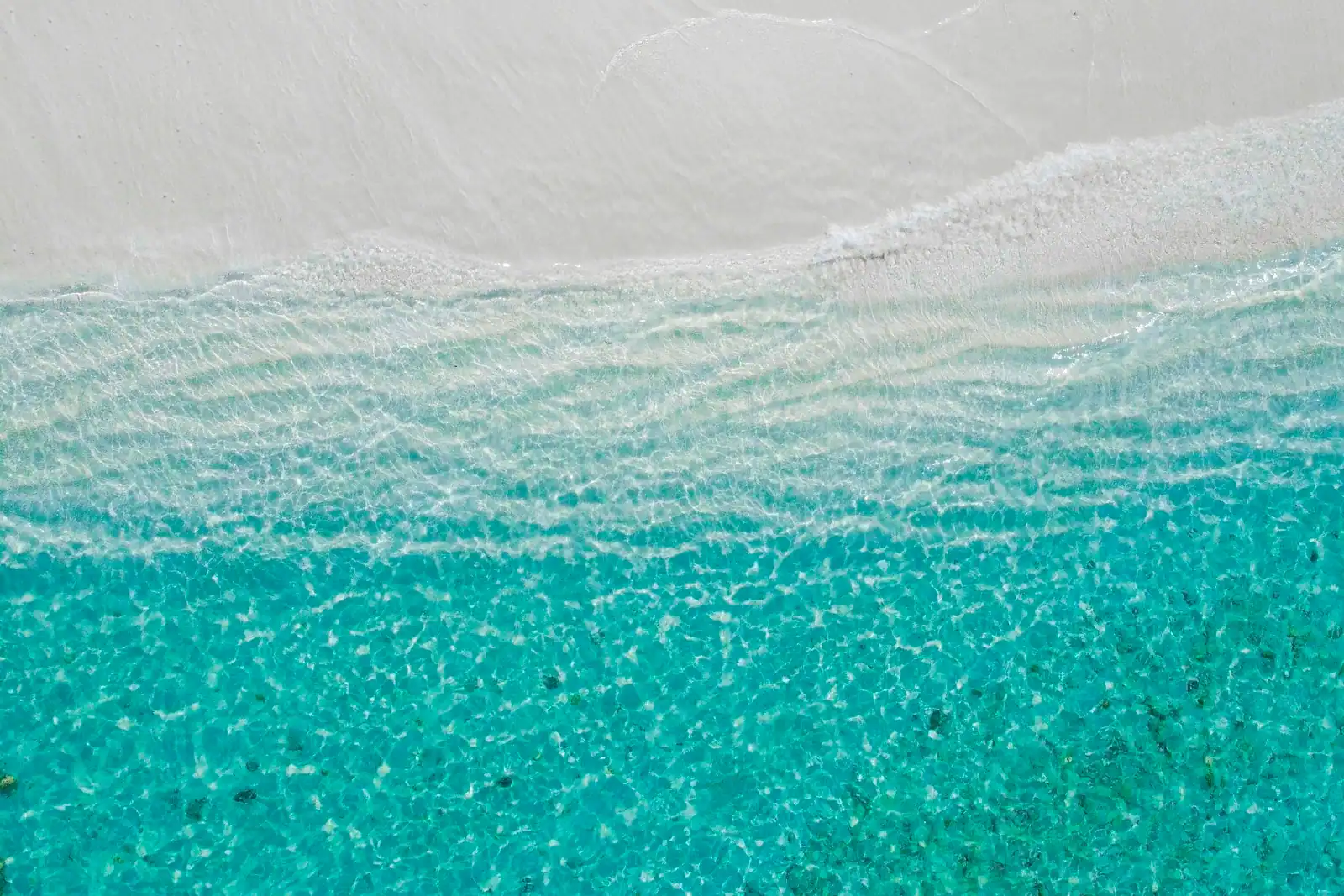
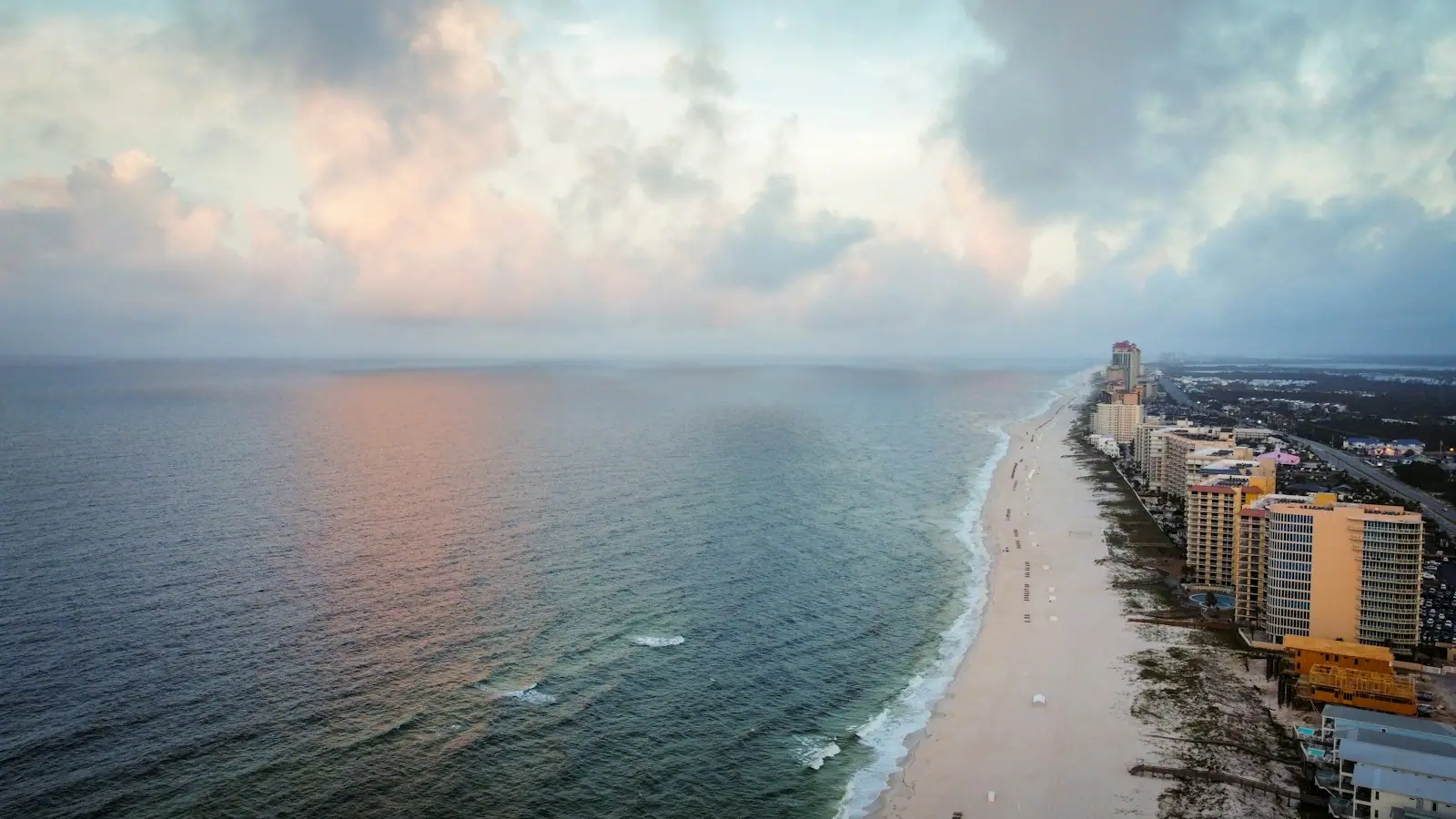
The sand is the reason anyone is here at all. These grains are almost pure quartz, carried down out of the Appalachians by the rivers that empty into Mobile Bay and sorted by the Gulf until almost nothing dark is left. It reflects rather than absorbs, so it stays walkable barefoot at midday when a darker beach would not be. It also means sunglasses are not optional. The glare off an Alabama beach in July is genuinely painful without them.

Getting there and parking

Come south on Alabama Highway 161, the road that runs down the middle of Orange Beach, until it ends at Perdido Beach Boulevard. The access is at that junction, roughly seven miles east of Highway 59 in Gulf Shores.

From Gulf Shores allow twenty minutes and rather more on a Saturday in summer, when the whole coast changes over its weekly rentals and Highway 59 backs up from the Intracoastal bridge.

If you are staying in one of the towers along Perdido Beach Boulevard, walk. The lot is the constraint here, not the sand, and the pavement along the highway is continuous.

Cyclists can use the Hugh S. Branyon Backcountry Trail network to reach the eastern end of Gulf State Park and then join the road, though the last stretch on Perdido Beach Boulevard is shared with holiday traffic and is not the pleasant part of the ride.

What parking costs and how the kiosk works

The lot is Gulf State Park's, not the City of Orange Beach's, and that single fact explains the whole arrangement. The state runs paid parking at its Orange Beach accesses, Cotton Bayou among them, alongside Romar Beach and Alabama Point.

Rates rose on 1 January 2026. A personal vehicle is now fifteen dollars for the day where it was ten. Anything towing a trailer, a large motorhome or a bus sits in a higher band, recently around thirty-five dollars. The annual beach parking pass doubled to two hundred dollars and is sold at park headquarters on State Park Road rather than at the beach.

The machines take notes and cards. They do not give change, which catches out people who arrive with a twenty and intend to pay fifteen. There is also a QR code that lets you pay by licence plate through your phone, which is the better option if the queue at the kiosk is four families deep at ten in the morning.

Two practical notes. The lot is small measured against the frontage it serves, and on a July weekday it is full by mid-morning; people who are staying in the towers behind walk in, and you should too if you can. And prices at state level move without much announcement, so treat the figures above as a guide and read the board before you tap.

The boardwalks, the matting and what is at the top

  • Two dune crossings. One carries steps down to the sand. The other is ramped, with beach matting laid out beyond it towards the water, and it is the reason this access works for wheelchairs, walkers and loaded beach wagons when several others on this coast do not.
  • Restrooms and outdoor showers at the top of the access rather than a single cold tap in a car park. The showers are the thing you will actually use; quartz sand is fine enough to travel home in a car seat for weeks.
  • A handful of picnic tables beside the comfort station, shaded, and taken early. There is no natural shade on the sand itself, so an umbrella is the difference between a morning and a day.
  • No food, no rental hut, no shop. Nothing is sold at this access. The nearest supplies are back up Highway 161 or east along Perdido Beach Boulevard, so buy ice before you park rather than after.
  • Dune crossings are the only legal route over the dune line. The sea oats holding that sand in place are protected, and walking through them is both an offence and the reason the dune is there at all after Sally.

The flag system and the rule that carries a fine

Alabama flies the standard coloured flags, and the one to understand before you arrive is the double red. Two red flags on the same pole means the water is closed, and in both Gulf Shores and Orange Beach that closure is written into city ordinance. Entering the Gulf anyway is an offence. Reported penalties reach five hundred dollars plus court costs, with arrest available in the worst cases.

In practice beach safety staff educate long before they cite. That is not a reason to test it. Double red days here are almost always rip current days, and the Alabama coast has a long shoreline with very few lifeguard stands on it by the standards of Florida resort towns.

Single red means high hazard and strong surf. Yellow is moderate. Green is calm, which is not the same as safe. Purple flies for dangerous marine life, usually jellyfish, occasionally something larger, and it can fly alongside any of the others.

Flags are posted at the access and updated through the day. Check them when you arrive rather than trusting what the water looked like from your balcony an hour earlier; the surf on this coast builds faster than it looks like it should because the shelf offshore is so shallow and so flat.

Cotton Bayou against the other Orange Beach accesses

Orange Beach has a short public shoreline compared with the length of its condominium wall, so the accesses matter and they are not interchangeable.

Cotton Bayou is the all-rounder. Ramped access, matting, restrooms, showers, a lot big enough to be worth driving to. If you have a stroller, a wagon, a wheelchair or a group, start here.

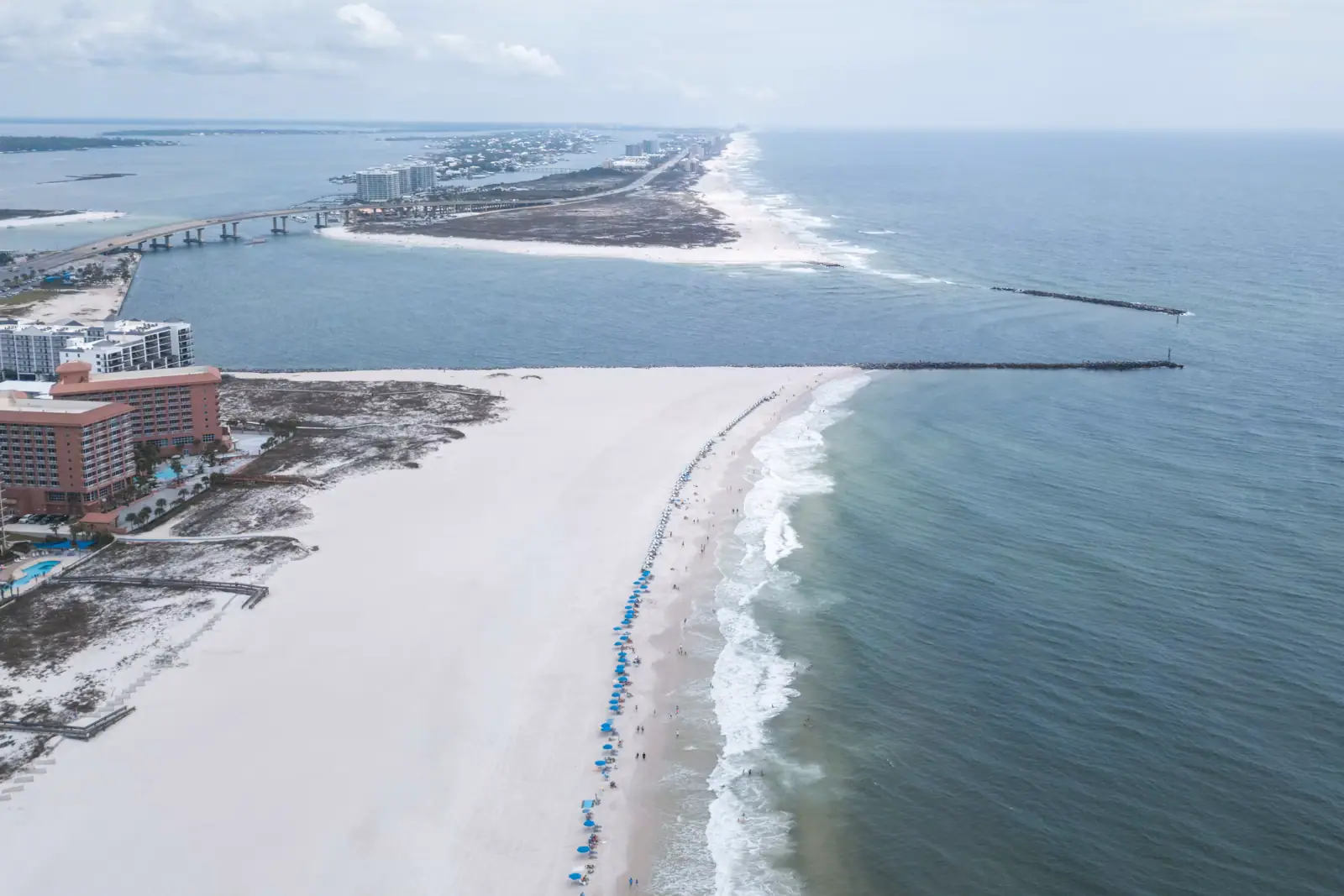
Alabama Point, a couple of miles east at Perdido Pass, has far more sand per person and the rock jetties to look at, plus a free life jacket loaner board. It is the better beach and the worse car park.

Romar Beach, west of here, is smaller and quieter, and works well if you are already staying within walking distance.

Gulf State Park's own pavilion and pier accesses sit further west again in Gulf Shores, with more infrastructure and correspondingly more people.

The honest summary is that Cotton Bayou is the access you choose for convenience and equipment rather than for solitude. If what you want is an empty stretch of sand, drive west to the Fort Morgan peninsula instead and accept that there will be no restroom when you get there.
Near Cotton Bayou

Straight-line distances, so allow more on the road — the island is long and has one main parkway.

  • Aerial view of a narrow tidal pass cut between two low sandy shorelines
    Free
    Beach

    Alabama Point

    Six thousand feet of beach beside the only rock on the Alabama coast, and the fastest water in the state running past the end of it.

    2–7 hoursFree to use. Parking at the state-run east access is charged at the Gulf State Park beach rate, fifteen dollars a day for a car in 2026.0.9 mi away

  • Aerial view of a narrow tidal pass cut between two low sandy shorelines
    Free
    Water feature

    Perdido Pass

    The only gap in thirty-two miles of Alabama barrier coast, armoured with granite, and the wrong place to let anyone swim.

    1–3 hoursFree to visit. Parking at the adjoining Gulf State Park beach accesses is charged per vehicle per day.0.7 mi away

  • Gentle surf running onto pale sand with turquoise water beyond
    Beach

    Romar Beach

    A state park beach access with an Orange Beach address, which means state parking rules, not city ones, and a 1920s name nobody explains.

    1.5–5 hoursFree to walk on. Parking is the Gulf State Park flat daily vehicle rate, recently around $15.1.9 mi away

  • Rows of boats moored in a marina basin on flat water in early morning light
    Free
    Neighbourhood

    Orange Beach

    Alabama's other beach city: nine thousand people, a maze of back bays and the only cut from those bays to open Gulf water.

    3–10 hoursFree to visit. Beach parking is charged at both city and state park accesses.0.6 mi away

Cotton Bayou: common questions

Is parking free at Cotton Bayou Beach?

No. Cotton Bayou is a Gulf State Park beach access and the state has charged to park here since spring 2021. The 2026 rate for a car is fifteen dollars a day, up from ten, with higher bands for trailers, buses and large motorhomes. An annual beach parking pass costs around two hundred dollars and is sold at park headquarters on State Park Road, not at the beach. Kiosks take cash and cards and give no change.

Where is Cotton Bayou Beach in Orange Beach?

At the southern end of Alabama Highway 161, where it meets Perdido Beach Boulevard, roughly seven miles east of Highway 59 in Gulf Shores. The bayou the access is named after lies behind it on the north side of the highway, so you will not see any bayou from the sand. Two dune boardwalks lead over to the Gulf, one of them ramped with matting beyond it.

Does Cotton Bayou Beach have restrooms and showers?

Yes. There are restrooms and outdoor rinse showers at the top of the access, plus a small picnic area beside the comfort station. There is nothing sold on site: no food, no drinks, no chair or umbrella hire. Buy what you need before you park, because the nearest shops are back up Highway 161 and you will lose your space if you drive off for ice.

Can you swim at Cotton Bayou Beach?

Usually, but check the flags first. Alabama flies coloured warning flags at every public access and the double red flag means the water is closed. In both Orange Beach and Gulf Shores that closure is backed by city ordinance, with reported penalties reaching five hundred dollars plus court costs. Purple flies for jellyfish and other marine hazards. Conditions here build quickly because the shelf offshore is shallow and flat.