Skip to content
Search
Menu

These bookings go through Viator, and we are paid for them. Your price is the same, and the payment had nothing to do with the picks.

A wooden house with wide verandahs shaded by mature trees
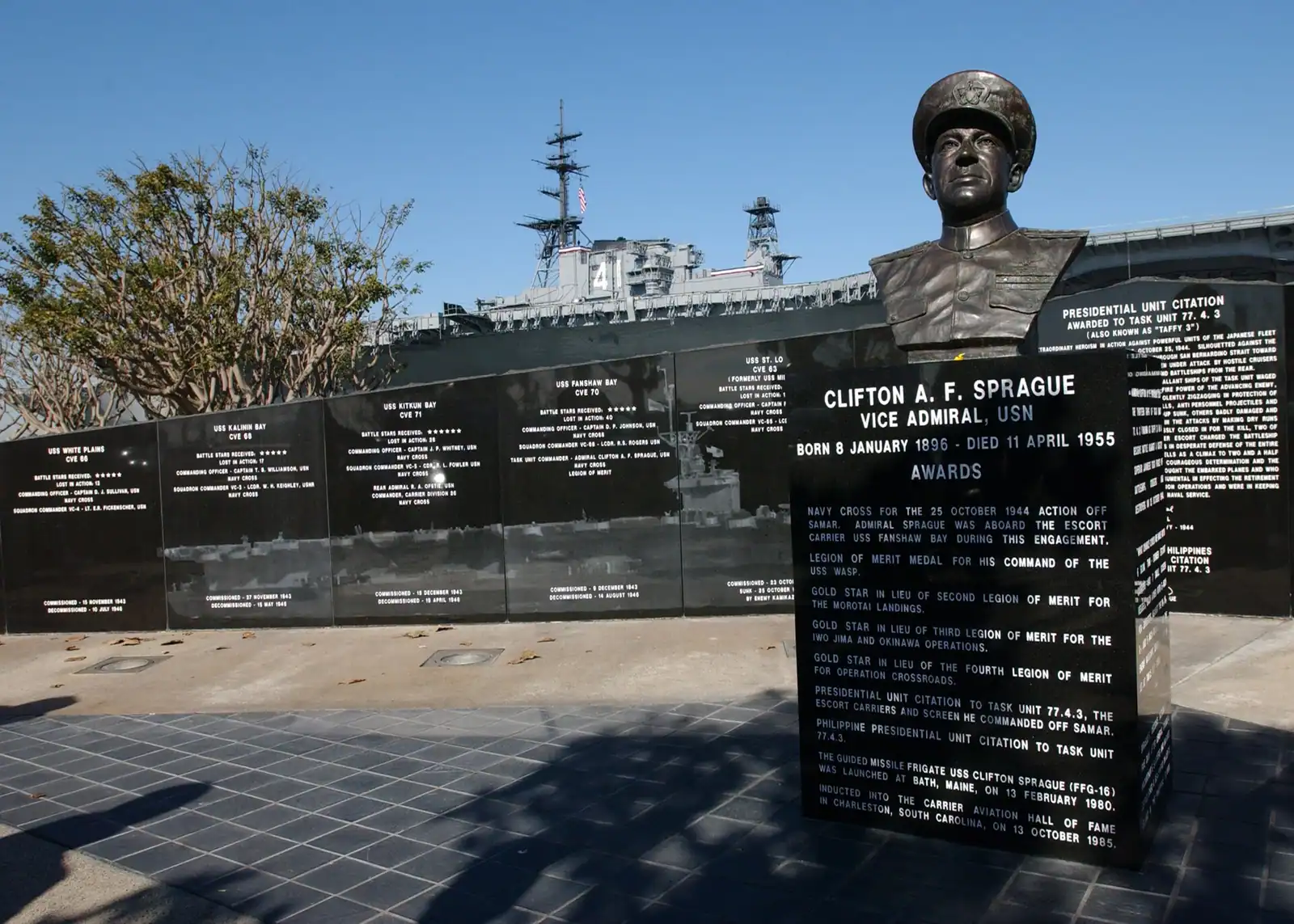
U.S. Navy photo by Senior Chief Photographer's Mate Mahlon K. Miller.

Museum

Gulf Shores Museum

Last updated

A free town museum inside a beach cottage that a 1979 hurricane took off West Beach, with a room devoted to what storms do here.

Start with the building, because it explains more than any label inside it. This is a beach cottage that predates the Second World War. It stood on West Beach, owned by a Mobile family who used it as a summer house for decades. Then Hurricane Frederic came ashore in 1979, and afterwards the house was given to the city and moved inland to West 19th Avenue, where it has been the town museum ever since.

There is a whole thesis in that. Almost nothing standing in Gulf Shores today is older than the last storm cycle. The condominium wall along the beach road, the restaurants, the shopping, the rental blocks: all of it is post-Frederic, much of it post-Ivan, some of it post-Sally. This little wooden house is one of very few pieces of physical evidence that there was a town here before the vacation industry, and the reason it survived is that somebody picked it up and carried it away from the water.

What it holds is a local history museum in the truest sense. Not a regional collection, not a curated art space: the story of one coastal settlement, the people who lived on the lagoon, what they caught, what they farmed, and how a fishing and farming community turned into a place with thirty thousand rental beds. The permanent displays run to a portrait of the old fishing village, an account of how the modern town took shape, and a room about hurricanes.

Admission is free. It takes forty-five minutes to an hour and the hours are short, so it is not an afternoon. It is the thing to do on a morning when the flags are double red, when the rain has set in, or when a curious eleven-year-old has asked why the beach has no old buildings on it.

Getting there and parking

Just west of Highway 59 in the middle of town, on West 19th Avenue behind the main commercial strip. Coming from the beach, drive north on Highway 59 and turn left; it is a matter of minutes from the beach road.

There is free parking on site, which removes the usual Gulf Shores complication entirely.

It is walkable from a good deal of central Gulf Shores accommodation, and the town's shared-use paths along Highway 59 make it a short and straightforward ride by bike.

Arriving by car from Orange Beach takes around twenty to twenty-five minutes along the beach road and up Highway 59. Given the short opening hours, check the day's schedule before making that drive rather than after.

The town before the towers

Gulf Shores did not begin as a beach resort. It began as a scatter of families along the lagoon and the bays behind the dune line, making a living from water and sandy farmland, and reaching the outside world by boat long before a bridge made it convenient.

The museum's fishing village material is the part that changes how you see the drive in. Oyster tongs, net gear, photographs of working boats, the equipment of a coast that was a place of employment rather than leisure. Bon Secour, a few miles west, still runs on that industry today; here it is a display case.

The second thread covers the turn. Roads, bridges, the first cottages, the first motels, the arrival of a rental economy and the point at which the number of visitors overtook the number of residents permanently. It is told without nostalgia and without boosterism, which is rarer in a municipal museum than it should be.

If you have any interest in why the Alabama coast looks the way it does, thirty-two miles of shoreline carrying the weight of an entire state's beach tourism, this room is the best half hour available on the subject.

The hurricane room

Every coastal museum on the Gulf has a storm display. This one earns its space because the building itself is a storm artefact, and because the town outside has been rebuilt around the visitor twice in living memory.

The exhibit covers how these systems form, what they do when they arrive and what rebuilding involves, with an element that takes you through the eye of a storm alongside the aircraft crews who fly into them. Children who have spent three days on a flat green sea find the idea that the same water can flatten a town genuinely startling, which is the point.

The local dates worth carrying with you: Frederic in 1979, which is why this house is where it is. Ivan in September 2004, whose eye passed over Gulf Shores. Sally in September 2020, which came ashore here as a slow category two with sustained winds around a hundred and five miles an hour and sat over the coast rather than moving through it.

None of that should put anyone off a summer holiday. It should inform how you read the fine print on a rental booking, and it explains why every pier, every boardwalk and half the businesses in these two towns have a reopening date rather than a founding one.

Free, short hours, and how long you actually need

  • Admission is free. No ticket, no timed entry, no queue. In a town where the beach parking alone costs fifteen dollars a day, that is worth saying twice.
  • The hours are the constraint. The museum opens Tuesday through Saturday, closes on Sundays and Mondays, finishes early on Saturday and does not run a full day even midweek. Sources differ on whether the weekday schedule breaks over lunch, so check the city's current listing before you set out. This is the single most common reason people arrive to a locked door.
  • Allow forty-five minutes to an hour. It is a house, not a wing. Two hours would be a struggle; twenty minutes would be a waste.
  • Good for ages eight and up. Younger children will enjoy the hurricane element and little else.
  • Parking is on site and free, off West 19th Avenue behind the Highway 59 commercial strip.
  • Pair it with something. The museum sits close to the middle of town, so it works well as the first hour of a morning that ends at the beach or the zoo rather than as a destination on its own.

The right day to come

This is a weather museum in more senses than one. It is the correct answer to three specific situations, and a slightly odd choice otherwise.

The first is a double red flag day. When the ordinance closes the Gulf and the whole town's plan collapses at once, every indoor attraction fills. The museum is free and small, which means it fills quietly rather than chaotically.

The second is rain. Summer afternoons here produce fast, heavy thunderstorms that clear in an hour, and the museum is a comfortable place to spend that hour without spending money.

The third is a genuinely curious visitor. If you have already done the beach, the pier and the trails and want to understand the place rather than just be in it, an hour here is better value than any paid attraction in the two towns.

What it is not is a way to fill a whole morning, and it is not open at the times people most want it. On a Sunday or a Monday, or after mid-afternoon on a Saturday, the answer is the Coastal Arts Center in Orange Beach or the zoo instead.
Near Gulf Shores Museum

Straight-line distances, so allow more on the road — the island is long and has one main parkway.

  • Aerial view of bright white sand meeting shallow water that shades from pale green to deep blue
    Free
    Beach

    Gulf Shores Public Beach

    Where Highway 59 runs out of land: pavilions, showers, volleyball nets, The Hangout next door and hourly parking since July 2026.

    2–7 hoursThe beach is free. Parking is not: non-residents pay by the hour through a phone app during the paid season.2 mi away

  • Several orange water slides arranged in a row in front of a tower structure
    Entertainment

    Waterville USA

    A twenty-acre water park that predates most of the condo towers, sitting a quarter of a mile from an ocean that costs nothing.

    3–7 hoursPaid admission, historically with separate options for the water park and the dry rides, plus reduced afternoon and twilight pricing.1 mi away

  • A giraffe standing on grass in daylight
    Wildlife

    Alabama Gulf Coast Zoo

    The little zoo that evacuated 265 animals ahead of Hurricane Ivan, then moved two miles inland so it would never have to do it again.

    2–4 hoursPaid admission with lower rates for children and seniors. Animal encounters and feeding experiences are sold separately on top.3.1 mi away

  • Small boats moored alongside a timber dock and gangway on sheltered water
    Free
    Marina

    Homeport Marina

    Gulf Shores keeps its boats on a canal. Every one of them runs east to Perdido Pass or west to Mobile Bay to reach open water.

    1–4 hoursFree to walk the docks and look. Trips, rentals and slips are priced by the individual operators.0.6 mi away

Gulf Shores Museum: common questions

Is the Gulf Shores Museum free?

Yes, admission is free and so is the parking outside, which in a town charging fifteen dollars a day at the state beach accesses is worth knowing. Donations are welcomed but nothing is required. The thing to check before travelling is not the price but the opening hours: the museum closes on Sundays and Mondays and runs a short day the rest of the week.

What is inside the Gulf Shores Museum?

Three permanent strands: the fishing and farming settlement that existed on the lagoon before the resort town, the story of how the modern town took shape, and a room about hurricanes that includes flying through the eye of a storm with the aircraft crews who do it for a living. The building itself is part of the exhibit, being a pre-war beach cottage relocated inland after Hurricane Frederic in 1979.

How long does the Gulf Shores Museum take?

Forty-five minutes to an hour for most visitors. It occupies a converted beach cottage rather than a purpose-built hall, so the scale is domestic and the collection is focused on one town's history. Children from about eight get the most out of it; younger ones tend to enjoy the hurricane material and move on quickly. It works best as the first hour of a morning rather than a whole outing.

What is there to do in Gulf Shores when it rains?

The museum is the cheapest answer and one of the better ones, since it is free, indoors and close to the middle of town. Beyond it: the Coastal Arts Center over in Orange Beach, where you can watch glass being blown at no charge on weekday mornings, indoor laser tag and arcades at the family parks, and the aquarium and marine exhibits across Mobile Bay if the weather has set in for a full day.