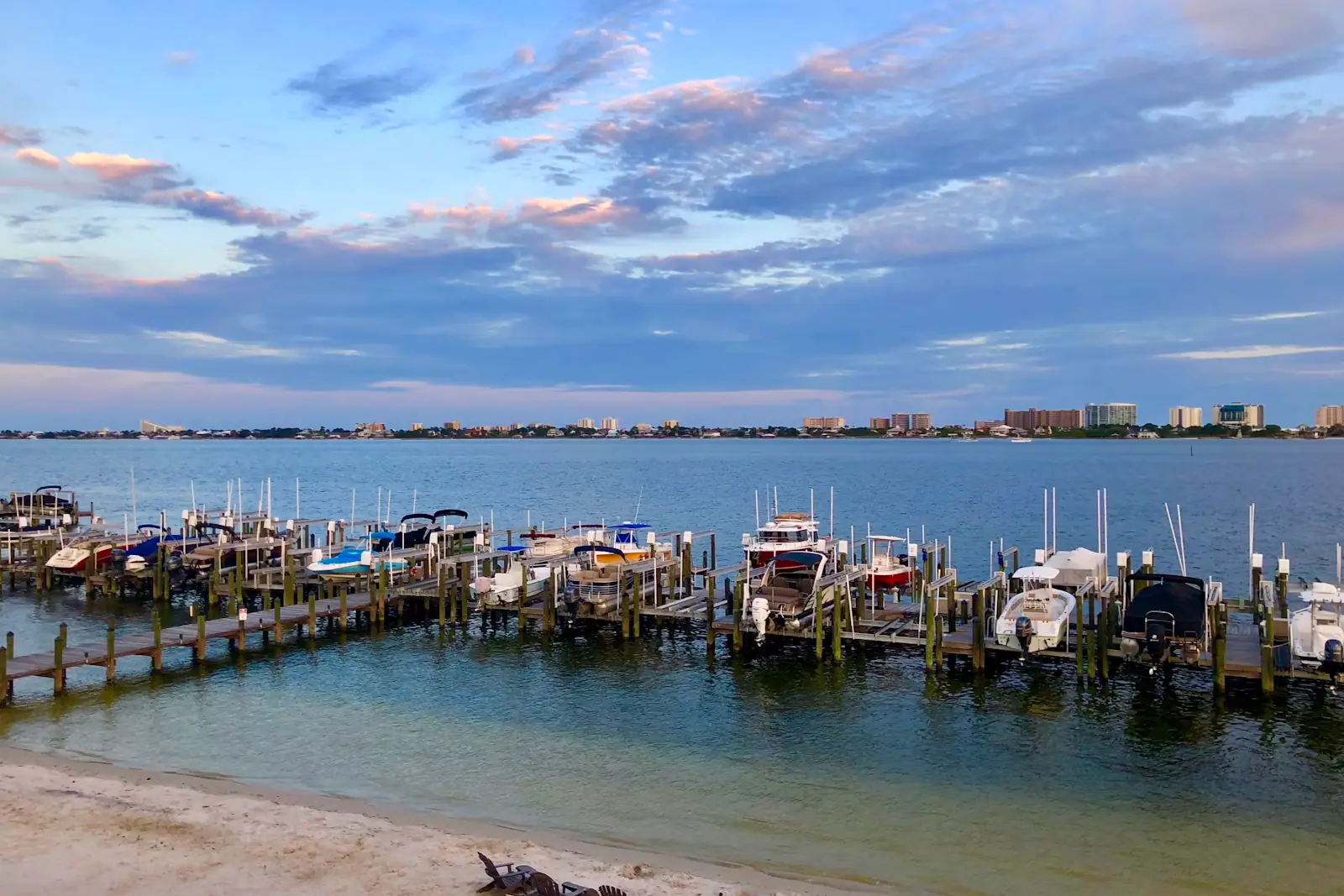
Check the Ferry Before You Drive Twenty-Two Miles to Catch It
Two boats, one crossing, and a service that halts in a stiff wind. The ferry is one of the best half-days on the Alabama coast and the one most often ruined by not checking first.

Travel alert
The flat day rate is gone. Since the first of July, the city charges by the hour at its public beach parking areas, which changes the arithmetic of a long beach day.
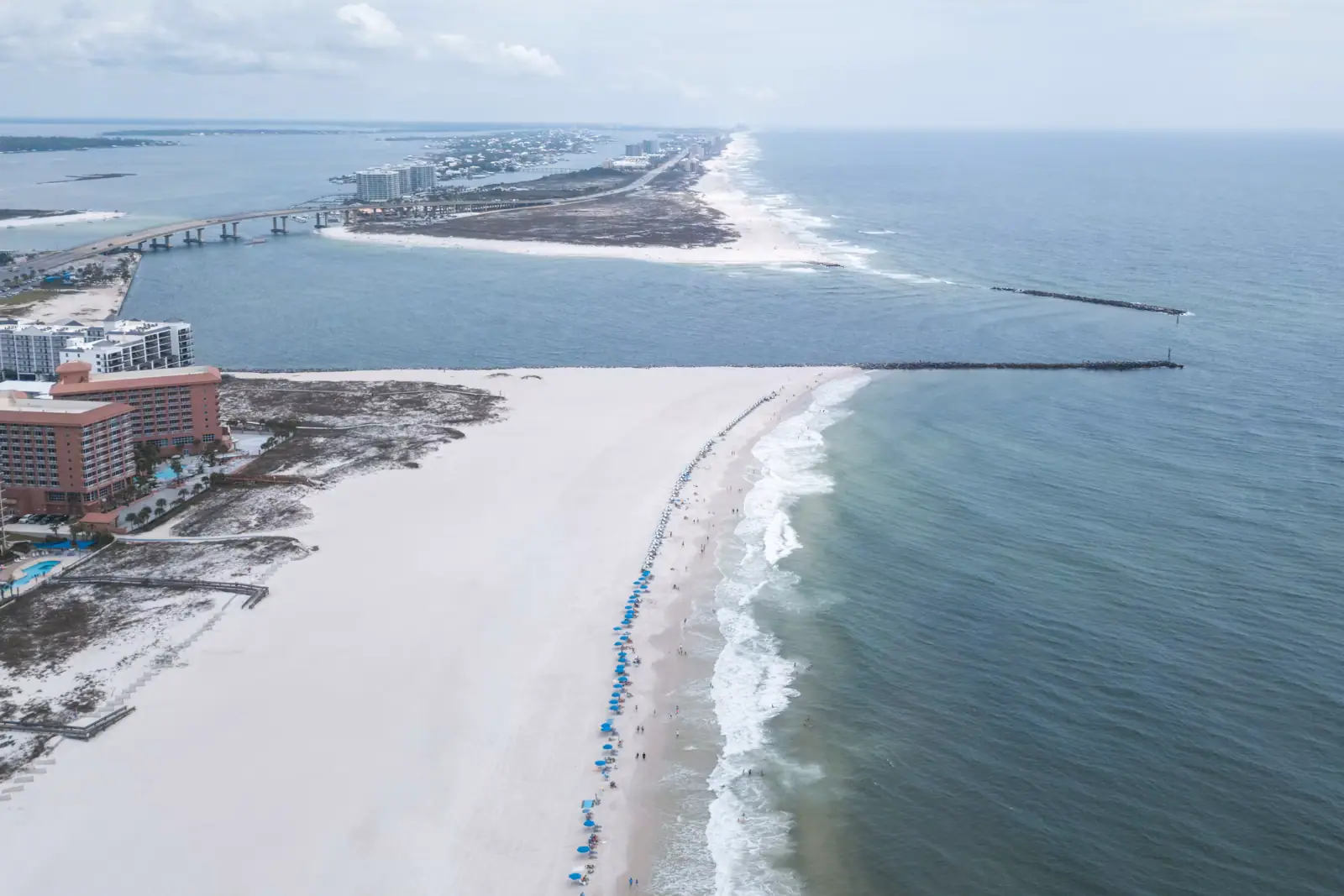
The City of Gulf Shores changed how it charges visitors to park at the beach on 1 July 2026, moving from a flat rate to hourly pricing after a council vote earlier in the summer.
Under the old arrangement a driver paid a set amount for a block of hours or a larger set amount for the whole day. Under the new one, non-residents pay by the hour: in the region of two dollars an hour north of Beach Boulevard and three dollars an hour south of it during the day, with a higher overnight rate in designated areas.
The ordinance covers Gulf Place and West Gulf Place, the public parking areas north of Highway 182 between East 3rd Street and West 2nd Street, and marked areas along several of the numbered west-end streets, including West 5th, West 6th, West 10th and West 13th.
East Gulf Place remains resident-only. Residents holding a valid hurricane re-entry decal continue to park free across the city's public beach parking areas.
Through the ParkMobile app, at on-site pay stations, or by scanning the codes posted at each area. The app will remind you before your session expires and lets you extend it without walking back to the car, which is more useful here than it sounds when the car is half a mile up the beach.
Two things change for a visiting family.
A long day on the sand now costs more than a short one, which was not true under a flat rate. Nine in the morning to five in the afternoon is eight hours of charging.
And the case for not driving to the beach at all has strengthened. A rental within walking distance of a public access, or bikes hired for the week, removes the charge entirely — and bike hire for seven days costs less than several days of parking.
Paid enforcement is seasonal and has resumed around the start of March in recent years.
Rates, enforcement windows and the list of covered areas are all set by city ordinance and have been revised more than once. Check the City of Gulf Shores' own beach parking page before you budget a week around any figure.
SourcingSummarised from the City of Gulf Shores' published notice of changes to its paid beach parking system and from regional news coverage of the council's decision in June 2026. Rates, covered areas, resident exemptions and the seasonal enforcement window are all set by ordinance and subject to revision; confirm current pricing on the city's own beach parking page before travelling.
Plan around it
The pages that carry the practical detail behind this story — hours, costs, access and where it sits on Gulf Shores.
Things to do
Alabama's 32 miles of quartz sand, access by access: where to park in Gulf Shores and Orange Beach, what the beach flags mean and when…
Things to do
How to reach Gulf Shores and move around it: three roads, two parking systems, the Mobile Bay Ferry, airport drive times and why Saturday…
Things to do
What to actually do in Gulf Shores across a seven-day rental week: the beach, Gulf State Park, Fort Morgan, Orange Beach, costs and the…
Things to do
The beach is free in Gulf Shores; parking beside it is not. How to have a cheap week here, plus the trails, refuge and museums that cost…
Newsroom

Two boats, one crossing, and a service that halts in a stiff wind. The ferry is one of the best half-days on the Alabama coast and the one most often ruined by not checking first.
Who reported this
Senior Editor
Brandi grew up in Foley and has edited Alabama coast travel coverage for twelve years, most of it spent correcting people who assume the beach starts at the Florida line. She runs this desk and owns the pages where a wrong number costs somebody money: parking rates, ferry sailings, what a July week really runs to. She quotes prices as bands because Baldwin County keeps changing them.
Our newsroom is machine-assisted and human-edited: stories are drafted from verified public sources and checked before they publish. How that works is set out in our editorial standards.